

 Account
 Language
 Time Zone
 COEF
COEF


Football Transfer Window Rules Explained: Deadlines & Deals
Discover football transfer window rules explained — when windows open, how deals work & loan vs permanent transfers. Explore more on Betiball.



Understanding football transfer window rules explained is not just trivia for fans — it is essential knowledge for anyone who analyses team performance, squad depth, or match predictions. At Betiball, we track how squad changes affect team dynamics, and transfer activity is one of the most underrated variables in pre-match analysis. Whether a club signs a striker on deadline day or loses a key defender to a January loan move, those decisions ripple through form tables, injury reports, and head-to-head statistics for months. This guide breaks down exactly how transfer windows work, who they apply to, and what the key rules mean for how football is played and analysed.
Who This Guide Is For
This article is written for serious football followers who want more than a surface-level understanding of the transfer market. If you are a data-driven fan, a statistics enthusiast, or someone who uses match analysis to inform your football knowledge, you have come to the right place. We have structured this guide to move from foundational concepts through to more nuanced rules, so readers at every level will find value here.
You do not need a background in sports law or club finance to follow along. However, if you already understand basic football terminology — formations, squad lists, registration deadlines — you will get the most from the advanced and strategy sections below.
The Basics: What Is a Transfer Window and When Does It Open?

A transfer window is a defined period during which professional football clubs are permitted to sign, sell, or loan players. Outside of these windows, most permanent and loan transfers are prohibited, with limited exceptions. The concept was formally standardised by FIFA in 2002 and is now part of the global football regulatory framework.
There are two main windows each season:
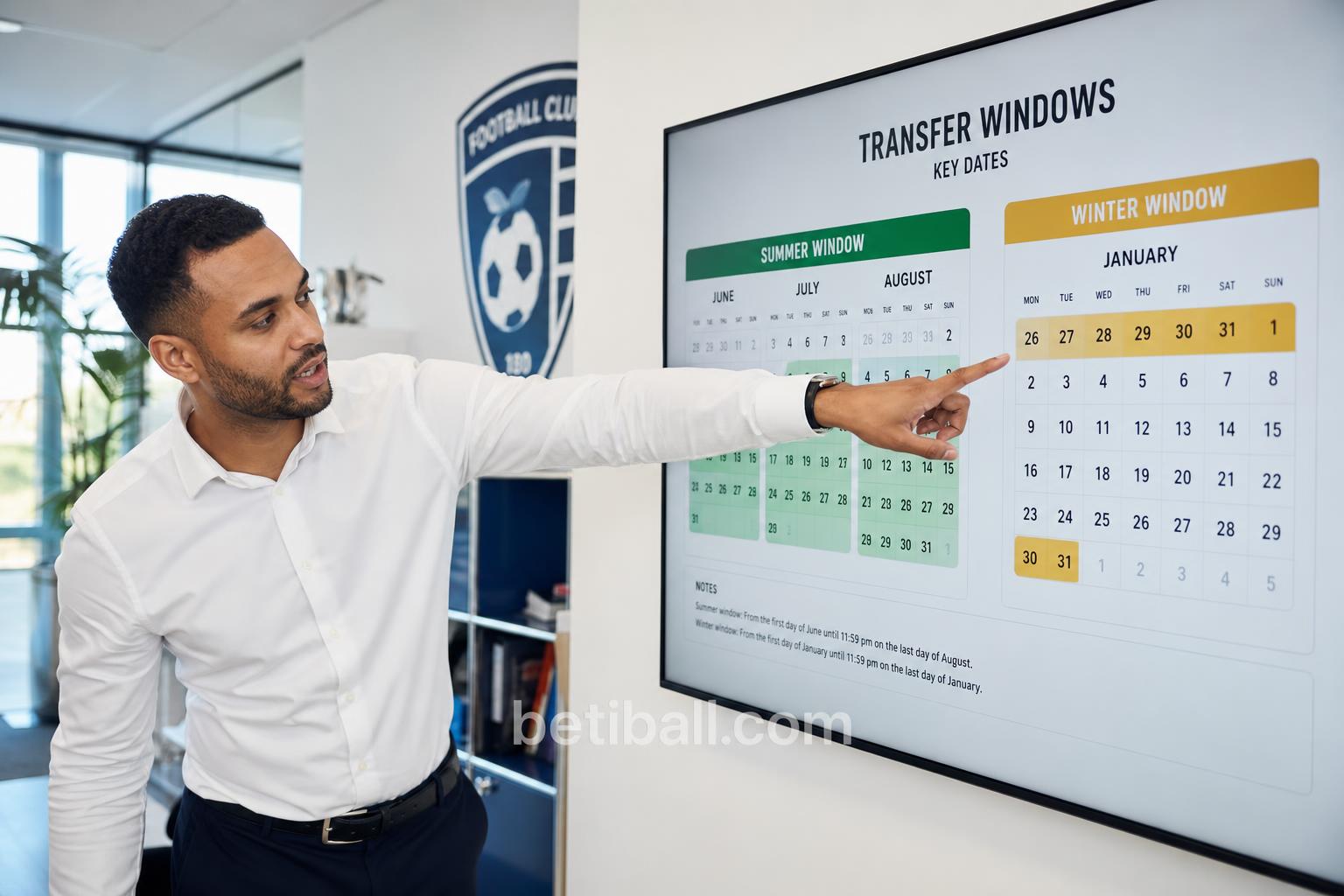
- Summer Transfer Window: Typically runs from June 1 to August 31 in most major European leagues, though exact dates vary by country and confederation.
- Winter Transfer Window: Opens on January 1 and closes on January 31 in most top-tier European competitions.
In England, the Premier League has periodically adjusted its summer deadline. Since 2018, the Premier League moved its summer closing date to before the season starts — roughly mid-to-late August — to prevent clubs from selling players after competitive matches have already begun. Other leagues, including La Liga, Serie A, and Bundesliga, generally close at the end of August.
It is worth noting that leagues outside Europe operate on different calendars. The MLS SuperDraft and transfer windows align with the North American sporting calendar, while leagues in South America and Asia have their own regulatory frameworks set by their respective confederations.
How Transfers Work in Football: Permanent vs Loan Deals
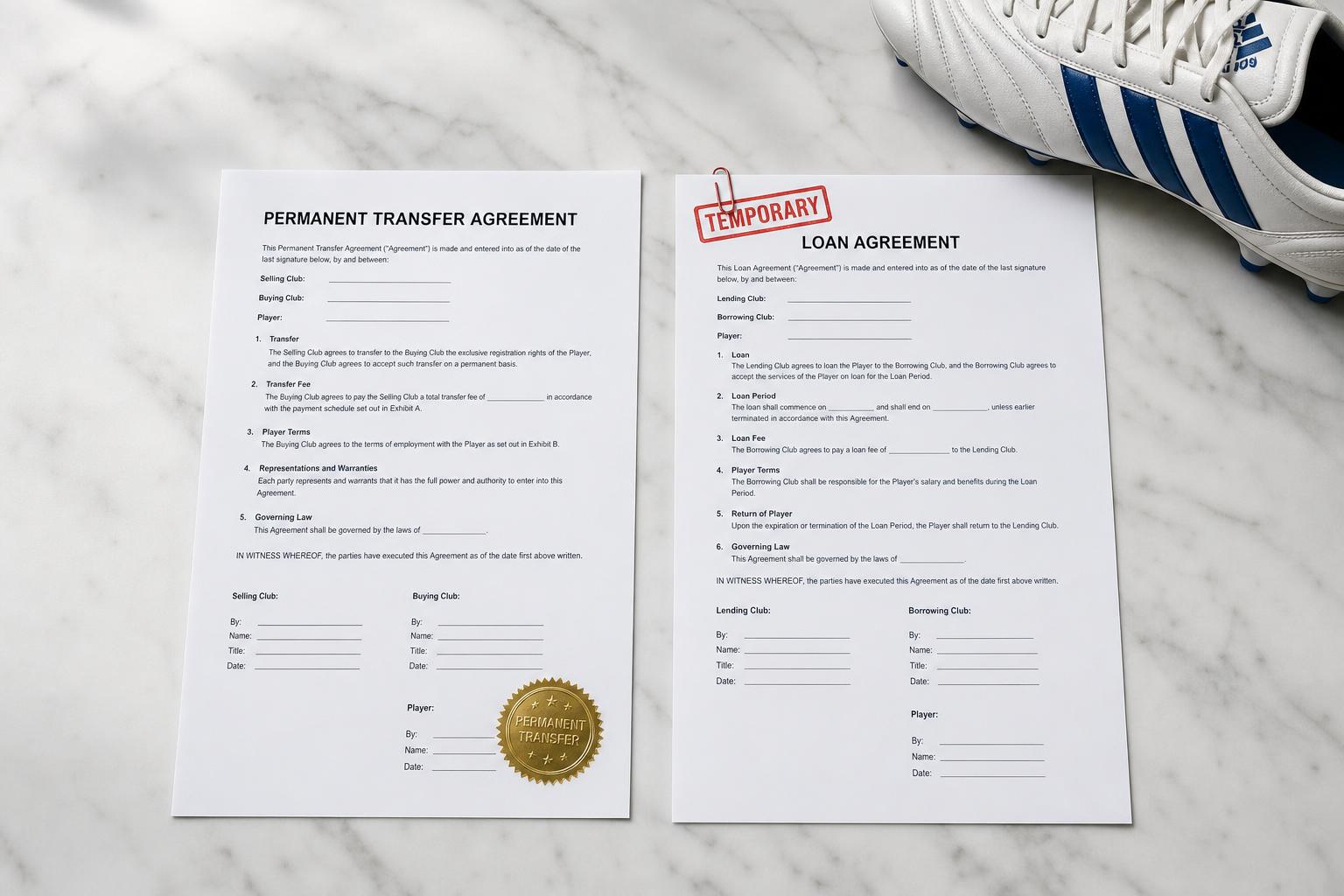
Not all transfer deals are the same. Understanding the difference between a permanent transfer and a loan is fundamental to reading squad news accurately.
Permanent Transfers
A permanent transfer — sometimes called an outright or full transfer — means a player's registration moves entirely from one club to another. The selling club receives a transfer fee (unless the player is out of contract, making it a free transfer), and the buying club takes on the player's wages and contract obligations. Once complete, the player belongs fully to the new club for the duration of their contract.
Loan Transfers
A loan is a temporary arrangement. The player's registration stays with the parent club, but they are permitted to play for the loan club for a defined period. The loan club typically covers some or all of the player's wages during the loan spell. Loans are common for:
- Young players gaining first-team experience
- Fringe players who need regular game time
- Emergency cover following injury crises
Loans can be structured with an optional or obligatory purchase clause — commonly known as a loan-to-buy deal — giving the receiving club the right or obligation to make the move permanent under pre-agreed conditions.
Key Differences at a Glance
| Factor | Permanent Transfer | Loan Transfer |
|---|---|---|
| Registration | Moves fully to new club | Stays with parent club |
| Fee | Transfer fee paid (or free if OOC) | Loan fee (optional) or wage contribution |
| Duration | Until contract expires or sold again | Fixed term (typically 6 or 12 months) |
| Recall clause | Not applicable | Often included — parent club can recall early |
| Cup eligibility | Full eligibility for all competitions | May be restricted by cup registration rules |
Advanced Rules: Registration Deadlines, Squad Limits, and Exceptions
Beyond the basic open-and-close dates, the transfer window contains several layers of regulation that can significantly affect which players are actually available to a manager.
Registration Deadlines vs Transfer Deadlines
These two dates are not always the same. A club may agree a deal before the transfer window closes, but the player's registration with the football association must also be processed by a separate administrative deadline. In the Premier League, for example, if a deal is agreed by 11pm on deadline day, clubs typically have until a specific time the following day to complete all documentation. If registration is missed, the player may be ineligible to play until the next window.
Squad Size Limits and List B Players
In UEFA competitions, clubs must submit a registered squad list at the start of each competition phase. Only players on that list can participate. The rules distinguish between:
- List A: A maximum of 25 players, with at least 8 required to be "club-trained" (developed within the club or domestically for at least three years before age 21).
- List B: Unlimited list for players born after a specific cut-off date who have been registered with the club for at least two years — designed to protect youth development.
Domestically, Premier League clubs can name 25 players in their registered squad, of which at least 8 must be homegrown. These rules drive a significant portion of transfer activity, particularly among clubs trying to balance foreign talent acquisition with homegrown quotas.
Emergency Loans and Exceptions
Some leagues operate emergency loan windows outside the standard transfer period. In the English Football League (EFL), emergency loans were traditionally available throughout the season for goalkeepers, though regulations have evolved in recent years. It is always worth checking current-season regulations from the relevant governing body, as these rules are periodically revised.
Strategy Tips: How Transfer Activity Should Inform Your Match Analysis

At Betiball, we incorporate squad registration data and transfer activity into our team analysis because it directly impacts expected performance. Here is how we recommend thinking about transfers when analysing upcoming matches:
Checklist: Transfer Window Factors for Match Analysis
| Factor | Why It Matters | Where to Check |
|---|---|---|
| New signings not yet registered | Player may be ineligible for the next match | Club official announcements, league registration lists |
| Key player sold or loaned out | Tactical shape or set-piece roles may change | Club press conferences, official squad lists |
| Late deadline day signings | Player may lack match fitness or tactical integration | Manager pre-match interviews |
| Loan recall by parent club | Unexpected squad gap, especially in key positions | Transfer news aggregators, league bulletins |
| Squad depth after window | Indicates ability to cope with injuries mid-season | Full squad registration lists published by leagues |
| Homegrown quota compliance | May restrict who can be fielded in European competition | UEFA squad submission documents |
One of the most overlooked patterns in football analysis is the post-window dip. Teams that undergo heavy squad turnover — particularly clubs who sell multiple starters in the summer window — often show measurable drops in performance during the first six to eight weeks of the season. This is not just about chemistry; it is about tactical familiarity, physical conditioning calendars, and how quickly new players reach peak match sharpness.
Conversely, a club that keeps its core squad intact while adding targeted depth players tends to outperform its market expectations in the opening months. These are the kinds of structural advantages that show up in our data models at Betiball, and they start with understanding what happened — and did not happen — in the transfer window.
Deadline day drama is also worth treating with analytical scepticism. A high-profile signing announced at 11:30pm on August 31 almost never produces immediate on-pitch returns. Integration periods matter. When you see a club post-deadline with three or four new first-team arrivals, factor in a period of tactical adjustment before expecting those players to significantly shift expected output.
Betiball does not accept bets. All examples are for educational purposes only.
Conclusion: Transfer Windows Are a Variable, Not Just a Headline
The football transfer window is far more complex than the tabloid headlines suggest. From the distinction between loan and permanent deals, to UEFA squad list regulations, registration deadlines, and the analytical aftereffects of squad disruption, every element of transfer activity carries real data weight. Understanding football transfer window rules explained in this level of detail gives you a sharper lens through which to view team form, match previews, and seasonal predictions.
We at Betiball believe that informed analysis starts with structural knowledge. The transfer window is not a sideshow — it is one of the most consequential variables in football performance data. Use it accordingly.
Read more:

Your feedback helps us deliver better football betting insights.