

 Account
 Language
 Time Zone
 COEF
COEF


Clean Sheet Betting Football: Predict Shutouts và Win
Master clean sheet betting football with xGA data, defensive metrics & BTTS tips. Learn to spot value shutout odds before kickoff. Explore more on Betiball.



Clean sheet betting football is one of the most misunderstood markets in the sport — and that misunderstanding creates genuine value for bettors who know how to read defensive data correctly. Whether you're backing a team to keep a clean sheet, fading a leaky defence, or exploring the both teams not to score market, this guide gives you the analytical framework to approach every shutout bet with precision. Betiball provides the statistical filters and match data you need to make these decisions confidently. Let's break it down.

Who This Guide Is For
This guide is written for serious football bettors who already understand basic match betting and want to expand into specialised markets. Specifically, you'll benefit if:
- You regularly analyse defensive records, not just team form
- You're comfortable comparing goalkeeper clean sheet odds across bookmakers
- You want to move beyond win/draw/loss markets and find less efficient pricing
- You're interested in correlating multiple bet types — like Asian handicaps with clean sheet selections
Clean sheet markets reward patient, data-driven bettors. If you're looking for a quick shortcut, this isn't the market for you. If you're willing to do the groundwork, the edges here are real.

Clean Sheet Betting: The Fundamentals
A clean sheet bet is a wager on whether a specific team will concede zero goals during a match. Most bookmakers offer it in two directions: Team A to keep a clean sheet — Yes or No. The both teams not to score (BTTS No) market is essentially a clean sheet bet for both sides simultaneously — if either team scores, the bet loses.
Understanding the relationship between these markets matters. Consider the following:
- Clean Sheet — Yes: Pays out only if the selected team concedes zero goals. The other team can still score.
- Clean Sheet — No: Pays out if the selected team concedes at least one goal. A popular market when backing attacking teams to break through.
- BTTS — No: Pays out if at least one team keeps a clean sheet. This is broader and often more favourably priced.
What the Odds Are Actually Saying
If a team is priced at 2.10 to keep a clean sheet, the implied probability is approximately 47.6%. That means the bookmaker believes they'll concede in just over half of such matches. Your job is to identify when that implied probability is underestimating the defensive solidity of the team in question — or overestimating it when you're backing the No.
Clean sheet percentage benchmarks by league tier (approximate averages across top European leagues):
| League Position | Average Clean Sheet Rate | Implied Odds Range |
|---|---|---|
| Top 3 (Defensive teams) | 42–52% | 1.90 – 2.40 |
| Mid-table | 25–35% | 2.85 – 4.00 |
| Bottom half | 15–22% | 4.50 – 6.50 |
| Home advantage bonus | +6–9% | Reduces odds by ~0.20–0.40 |
Use Betiball's team statistics filters to quickly identify where a team's actual clean sheet rate sits versus the implied probability embedded in live odds.
Advanced Metrics for Clean Sheet Prediction
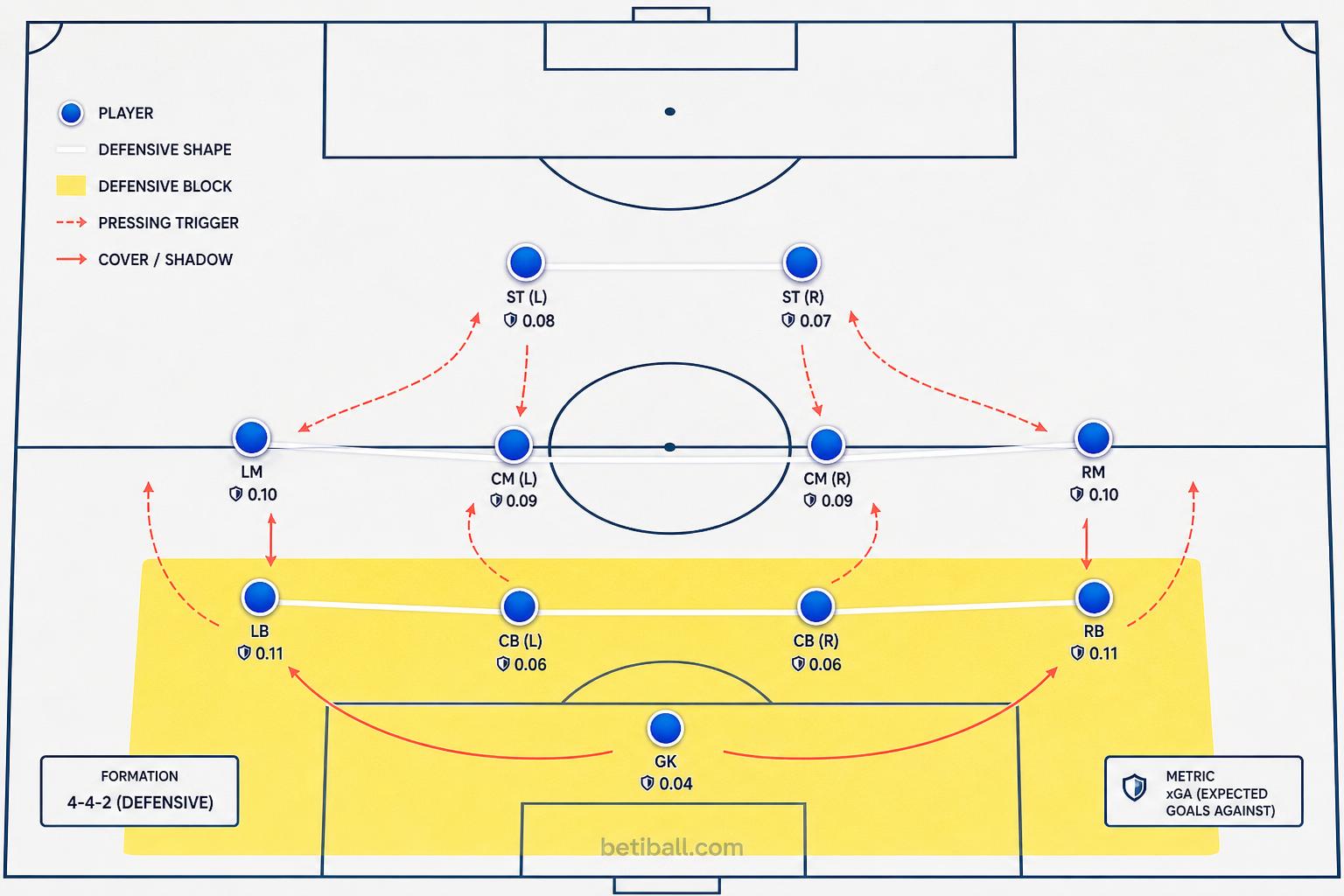
Raw clean sheet percentages are useful but incomplete. Elite bettors layer multiple metrics to build a more accurate probability model.
Expected Goals Against (xGA)
xGA measures the quality of chances a team concedes, not just the quantity. A team might have kept three consecutive clean sheets while facing high-xGA matches — meaning they've been fortunate and a concession is statistically overdue. Conversely, a team that conceded from a deflected long shot but had an xGA of 0.3 all game is actually performing well defensively.
When a team's actual goals conceded significantly exceed their xGA over a 10-match sample, regression towards the mean often follows — meaning fewer concessions ahead, which improves clean sheet probability.
Shots on Target Against Per Game
Lower shots on target against directly correlates with clean sheet probability. Teams allowing fewer than 3 shots on target per game typically post clean sheet rates above 40%. This metric also helps you assess goalkeeper workload — a goalkeeper with a high save percentage but high shot volume is under more pressure than their clean sheet count suggests.
Opponent's Attacking Form & Key Player Availability
Goalkeeper clean sheet odds shift significantly based on the opposition's recent scoring form. A team facing a striker who has blanked in six straight matches presents a very different defensive equation than one facing someone in red-hot form. Always cross-reference the opponent's shots-to-goals conversion rate over the last five matches.
Tactical Context: Low Block vs. High Press
Teams employing a disciplined low block at home tend to post significantly higher clean sheet rates, particularly in matches where they're slight underdogs. The incentive to sit deep and absorb is high. In contrast, teams instructed to press high — especially away from home — expose themselves to transition goals and reduce clean sheet probability even in matches they dominate possession-wise.
Strategy Tips: Building a Clean Sheet Betting System
Having data is one thing. Translating it into a consistent, profitable betting approach requires structure.
The Clean Sheet Bettor's Checklist
| Factor | What to Check | Green Signal | Red Flag |
|---|---|---|---|
| Defensive form | Last 6 home/away matches | 4+ clean sheets in 6 | Conceded in 5+ of 6 |
| xGA trend | xGA vs actual goals conceded | xGA below 1.0 per game | xGA rising over last 4 games |
| Opponent goal drought | Opposition's goals scored in last 5 | Scored in 2 or fewer | Scored in all 5 recent matches |
| Home/away split | Separate home and away records | Strong home clean sheet rate | Away clean sheet rate under 20% |
| Goalkeeper fitness | Starting XI confirmation | First-choice keeper confirmed | Back-up goalkeeper starting |
| Defensive line-up | Key defenders available | First-choice back four | Two or more centre-backs missing |
| Match stakes | Tactical incentive to defend | Must-not-lose situation | Team needs to win, attacking approach likely |
Combining Clean Sheet with Other Markets
Experienced bettors often use clean sheet selections as a base for same-game accumulators. A common approach is combining a clean sheet selection with an Asian Handicap on the same team. If you're confident Team A will keep a clean sheet, they're unlikely to lose — which also supports an Asian Handicap -0.5 or Draw No Bet selection. This doesn't always increase value, but it can provide risk management structure.
Backing Clean Sheet — No for Value
The Clean Sheet — No market is frequently underpriced in matches featuring high-volume attacking teams against defensively average opposition. If a team allows shots on target in every game and faces an opponent averaging 2.5+ shots on target per match, the probability of a concession is high — yet bookmakers sometimes misprice this at shorter odds than the data justifies.
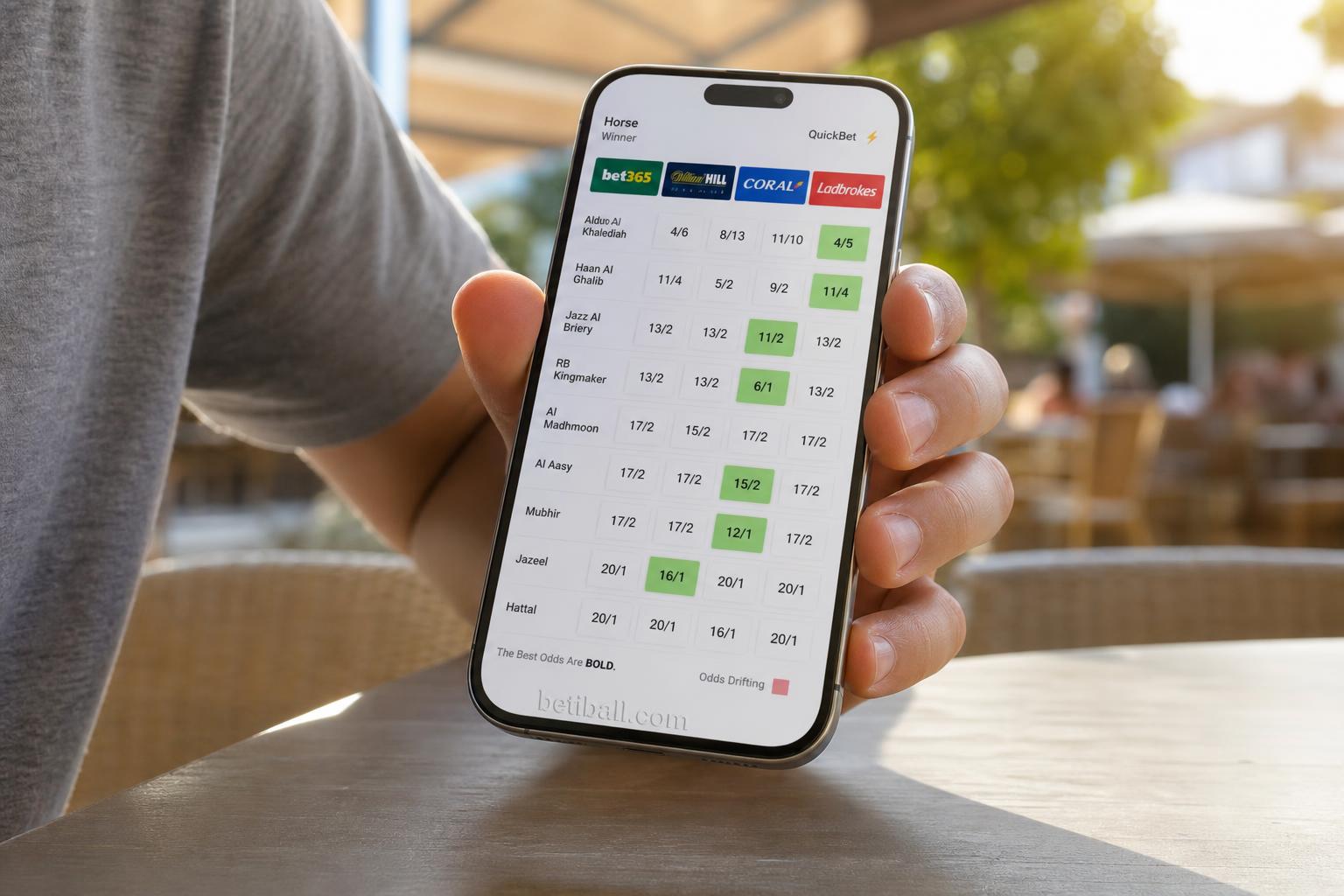
Line Shopping for Goalkeeper Clean Sheet Odds
Clean sheet markets are not as liquid as match result markets, which means pricing variations between bookmakers are more common. A 2.05 versus 2.25 difference on the same clean sheet selection represents a significant edge compounded over many bets. Always compare odds before committing, and use Betiball's odds comparison tools to identify the best available price.
Common Mistakes That Cost Clean Sheet Bettors Money
Even analytical bettors fall into predictable traps in this market. Avoid these errors:
- Ignoring set-piece vulnerability: A team might concede very few from open play but ranks bottom in defending set-pieces. This completely changes their clean sheet probability against teams with strong aerial threats.
- Overweighting recent streaks: Three consecutive clean sheets feels compelling, but sample size matters. Check if those matches were against the three lowest-scoring teams in the league before assuming the trend continues.
- Neglecting squad rotation in cup/continental matches: Managers frequently rotate defenders in less critical matches. A team's clean sheet rate with their rotated defensive unit can be dramatically different from their first-choice line-up.
- Confusing BTTS No with a team-specific clean sheet: These are related but distinct markets with different pricing logic. Don't treat them interchangeably when building your selections.
- Ignoring the time element: Some bettors also explore first-half clean sheet markets, where tactical caution early in matches means clean sheet rates in the opening 45 minutes are often 10–15% higher than for the full game.
Betiball does not accept bets. All examples are for educational purposes only.
Conclusion
Clean sheet betting football rewards the same discipline it celebrates on the pitch: defensive rigour, preparation, and not being caught out by avoidable mistakes. By layering xGA data, defensive form splits, goalkeeper availability, and tactical context, you can identify clean sheet selections where bookmaker odds underestimate a team's true shutout probability — or correctly identify situations where a concession is almost inevitable. The both teams not to score market offers an additional avenue for bettors who want broader defensive coverage at competitive prices. Use Betiball's statistical tools and market filters to run your pre-match checklist efficiently and find the edges that casual bettors will always miss.
Read more:

Your feedback helps us deliver better football betting insights.