

 Account
 Language
 Time Zone
 COEF
COEF


FIFA World Cup Commercial Sale Sparks Internal Turmoil and Global Backlash
FIFA World Cup’s commercial sale fuels internal disputes and global criticism, raising questions about ethics in sports management.



"
The world of international football governance has been shaken by significant controversy regarding the proposed sale of commercial interests in FIFA competitions, most notably the World Cup. Recent internal dissent at FIFA highlights concerns about transparency, stakeholder interests, and the future trajectory of the sport’s most prestigious tournament. Drawing from years of experience and the latest developments tracked at Betiball, this analysis explores the controversies, key players, and potential impact of these ambitious but divisive plans.
Controversy Surrounding FIFA's World Cup Commercial Strategy
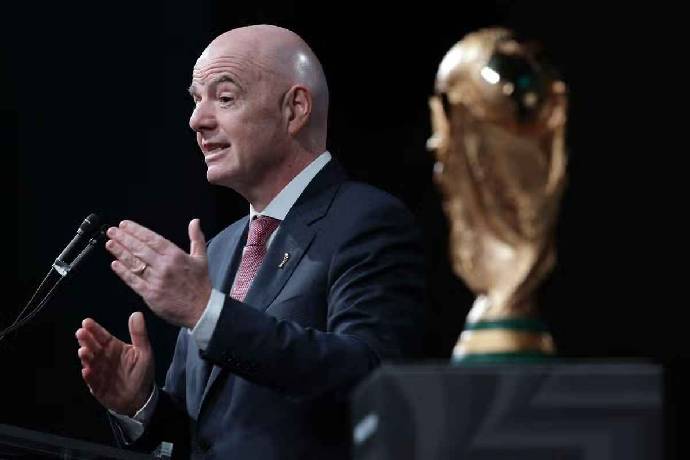
FIFA’s president has faced fierce criticism from his own senior executives over plans to invite private investors to acquire stakes in FIFA tournament revenues. The suggested approach would see part of FIFA’s commercial enterprises – including the World Cup and Club World Cup – sold to private entities, a move viewed as transformative but fraught with risks. This proposal has triggered unprecedented opposition from continental football bodies and provoked open dissent among FIFA’s most senior administrators.
Backdrop to the Proposal
Recent years have seen intensified pressure for increased funding and innovation within global football. However, the idea of channeling significant tournament revenue to private investors is seen by many in the industry, with deep-rooted experience, as a radical gamble. Traditionally, the World Cup’s revenues have been reinvested into football development worldwide, safeguarding the sport’s future.
- Stakeholder trust and the principle of reinvestment have long defined FIFA’s financial operations.
- Any deviation from this model challenges established norms and can destabilize relationships with federations, sponsors, and fans.
Key Figures Speak Out Against the Proposal
As an expert closely following football governance and its ramifications at all levels, it is clear such structural changes often ignite profound internal debate. This episode is no exception, as illustrated by public statements from senior leaders within FIFA.
Kevin Lamour’s Explicit Critique
Kevin Lamour, FIFA’s Chief Operating Officer since 2024 and a longtime figure in international football administration, delivered a rare and forthright public rebuke of the president’s plan. In a strongly worded address to staff, Lamour accused the president of misleading employees regarding the sale’s implications, emphasizing that such actions erode trust and the organizational integrity on which FIFA relies.
Lamour described the proposal as a “project of one person,” expressing that it did not draw from broad, collaborative input within the organization. This lack of inclusive leadership is particularly concerning within complex sporting institutions, where collective governance is essential to stability. Lamour further called for political football leaders to take responsibility for the organization’s direction, even while acknowledging that his outspoken stance might jeopardize his own position.
Consequences for Internal Unity and Governance
Lamour’s comments did not arise in isolation. His criticism followed the resignation of Carlos Cordeiro, another prominent advisor with an extensive history in football management. Cordeiro’s departure served as both a public statement and an internal warning regarding the potential risks of the proposal.
- Cordeiro confirmed his lack of involvement in the proposal and declared his strong opposition to selling World Cup interests, highlighting that he viewed the plan as fundamentally harmful to football’s long-term health.
- He described the $20 billion commercial arrangement in question as misguided and a bad financial decision for the sport.
Such strong statements from two leading officials underscore the gravity of the internal divisions the plan has precipitated. When experienced professionals with reputations for integrity take such a public stand, it signals wider unease not only about the financial logic but also about FIFA’s direction and leadership culture.
Reactions from Global Football Organizations
The fallout from these internal disputes has reverberated throughout the international football community. UEFA, the governing body for football in Europe and a vital FIFA stakeholder, has issued a grave warning. Its member nations – who regularly contribute many of the world’s most competitive teams – have threatened to boycott forthcoming FIFA tournaments if the proposed sale proceeds.
Potential Impacts of a Boycott
A collective withdrawal by UEFA members would fundamentally alter the landscape of the World Cup, both competitively and commercially. The absence of leading European teams would reduce the tournament’s global appeal, diminish revenue streams, and potentially impact sponsorship and broadcast agreements. Such a scenario would force FIFA to reconsider not just commercial strategy, but its entire governance philosophy.
Evaluating FIFA’s Leadership and Ethics
From an ethical and organizational standpoint, recent events serve as a vital case study in football governance. Transparency, accountability, and collaborative leadership are the cornerstones of healthy sports administration. The evident lack of widespread consultation in developing these commercial plans contradicts these principles and is likely why senior figures feel compelled to speak out – even at the risk of their personal careers.
Expert Perspective on Sports Management
Having observed major sporting organizations for many years, one can affirm that seismic shifts in governance or commercial policy require thorough debate, open communication, and buy-in from those responsible for implementing change. FIFA’s situation demonstrates the destabilizing effects when these criteria are not met. The knowledge and experience of those within the organization, like Lamour and Cordeiro, are valuable assets in charting a responsible path forward, ensuring decisions align with the interests of global football stakeholders.
The Broader Message for the Football Community
This controversy is more than an internal dispute—it reflects broader concerns about the commercialization of football at the expense of its global development objectives. The resistance from respected leaders with strong track records in international football highlights the sector’s need for careful stewardship, guided by expertise and a long-term vision for the sport’s welfare.
In sum, this situation reinforces crucial lessons for sports governance at every level. Proposals that affect core structures like the World Cup demand extraordinary care, transparency, and respect for both tradition and innovation. As covered comprehensively by Betiball, the challenge for FIFA moving forward is to mend divisions, recommit to open dialogue, and ensure decisions are made in the best interests of football as a whole.
"

Your feedback helps us deliver better football betting insights.