

 Account
 Language
 Time Zone
 COEF
COEF


FIFA Faces Calls for Infantino’s Resignation After World Cup Rights Backlash
FIFA President Infantino under pressure to resign after backlash over World Cup broadcast rights, sparking global controversy and debate.
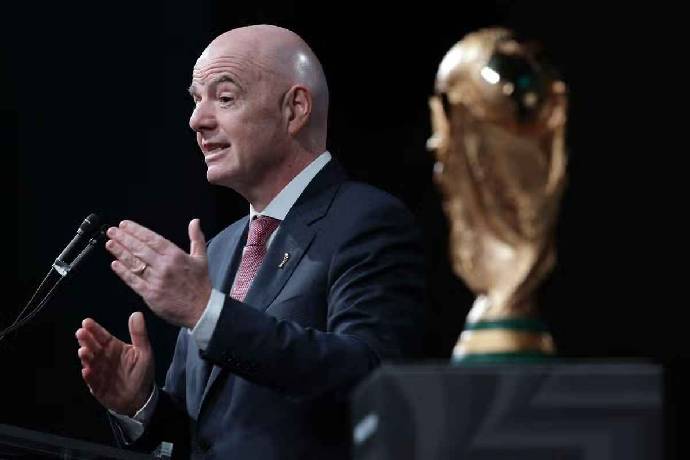


FIFA President Gianni Infantino is facing unprecedented calls for his resignation after controversial plans to commercialize a share of the World Cup ignited widespread backlash from football stakeholders. An overwhelming majority of football enthusiasts and governing bodies expressed a profound loss of confidence in his leadership following these events, marking a pivotal moment in the governance of the sport.
The Background: World Cup Commercialization Proposal
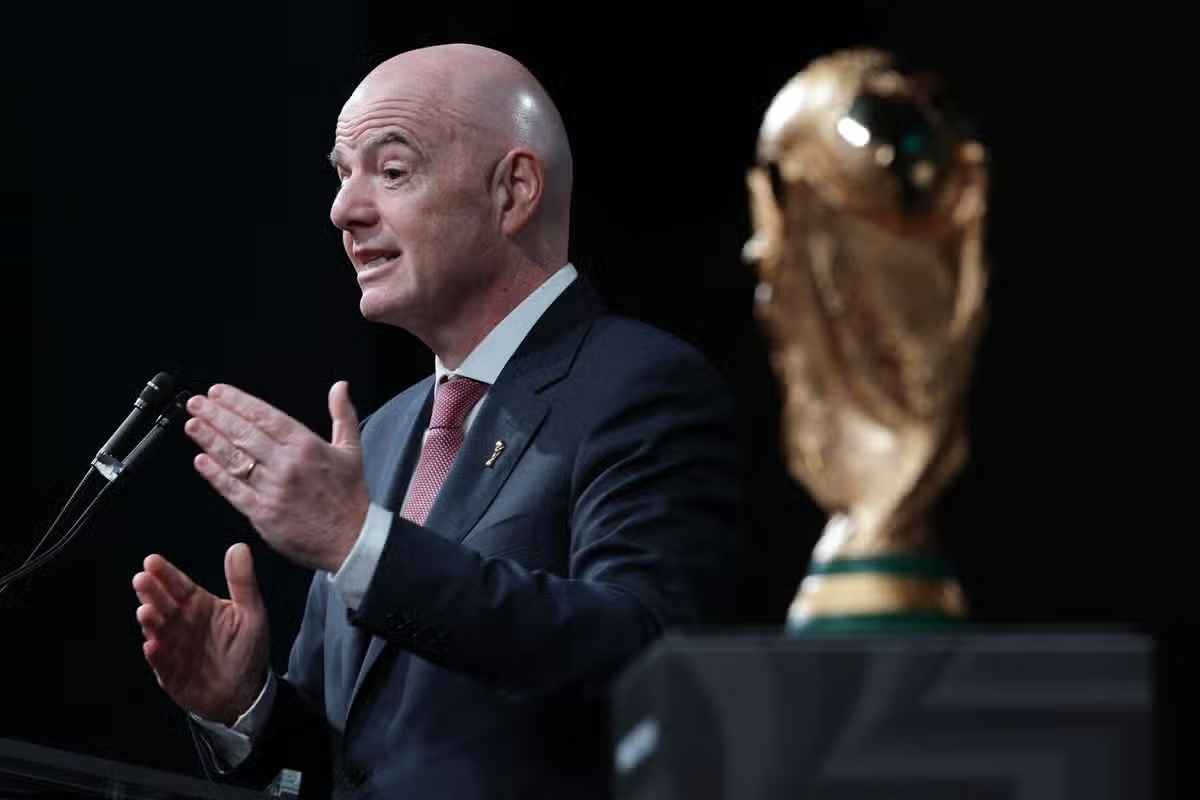
Recently, proposals emerged suggesting FIFA might sell a portion of World Cup commercial rights to external investment groups. This idea was swiftly met with intense opposition, not just from fans but also from influential football organizations worldwide. Such a move was perceived as a potential threat to the integrity, accessibility, and development mission at the heart of global football.
As someone deeply involved in the analysis of football governance for Betiball, these developments underscore the essential need for transparency and accountability in the administration of the sport. The plan’s rollout and subsequent withdrawal offer critical lessons on managing change in football’s complex ecosystem.
Fans and Federations Respond: A Unified Rejection
Fan Sentiment: A Clear Message
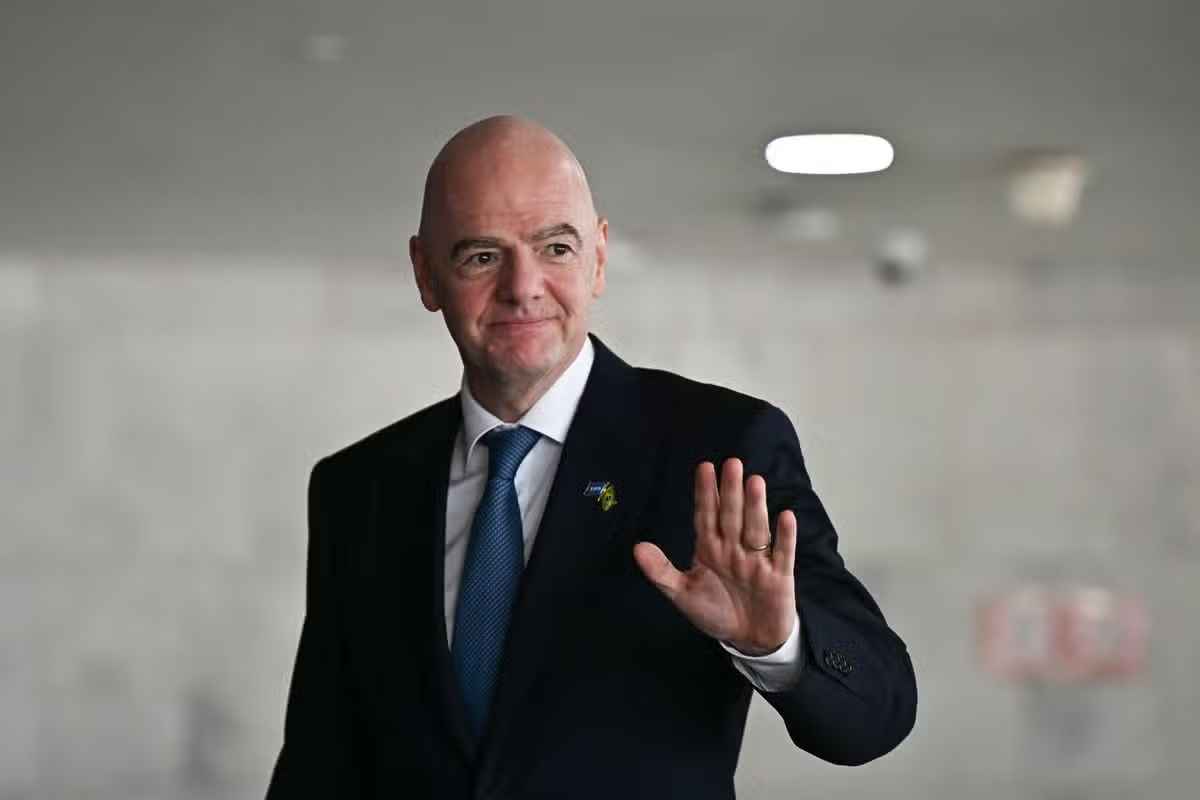
A significant poll conducted among football fans highlighted overwhelming disapproval of Infantino’s strategy. Out of over 6,800 respondents, a resounding 99% believed that the president should step down. Fan perception is a vital measure of trust in the leadership of global football, and this near-unanimity signals a deep divide between FIFA’s intended direction and the expectations of its primary stakeholders.
UEFA and CONCACAF Issue Public Criticisms
Discontent was not limited to fans. UEFA, the governing body for European football, publicly announced a loss of confidence in FIFA’s current administration. Their statement criticized the lack of transparency and the reportedly rushed, opaque nature of the proposed deal. This rare public rebuke from UEFA underscored a broader concern regarding governance and collaboration at the highest levels of football management.
Similarly, CONCACAF joined in issuing a statement expressing clear opposition to how the process was handled. The criticism from both bodies reflects their commitment to protecting the sport’s interests and ensuring decisions are made openly and consensually.
Assessing the Leadership of Gianni Infantino
Transparency and Trust: Key Pillars
When Gianni Infantino first assumed the FIFA presidency in 2016, he made explicit promises regarding openness and the responsible management of football’s resources. He pledged to act transparently and ensure that FIFA’s funds would serve the development of the sport worldwide. These standards are essential not only for ethical governance but also for maintaining unity among member associations.
In light of recent events, critics are highlighting a disconnect between these early promises and the decision-making processes behind the World Cup commercialization plan. UEFA’s statements assert that the recent actions were inconsistent with the promised transparency, raising serious concerns about the direction of FIFA leadership.
The Importance of Stakeholder Engagement
Leadership in global sports, particularly an entity as influential as FIFA, requires careful navigation of diverse interests. Effective leaders must harness the collective wisdom of member associations, sponsors, and supporters. Secretive or unilateral decisions, like the one under scrutiny, damage trust and can result in significant reputational harm. The rapid reversal of the proposal demonstrates just how critical stakeholder engagement is to the governance of football.
Aftermath and Next Steps for FIFA
The Withdrawal of the Proposal
The intensity of the opposition led to FIFA and Infantino formally retracting the plan to commercialize part of the World Cup. While this withdrawal was necessary to prevent further division, lingering doubts remain regarding the leadership’s judgment and future intentions. Major confederations have called for a comprehensive review of FIFA’s recent actions to ensure such controversy is not repeated.
Confederations Seeking Reform
- UEFA committed to collaborating closely with member associations and other confederations to examine the root causes of the issue, ensuring improved transparency and accountability in decision-making going forward.
- Calls for an exhaustive, no-holds-barred review of FIFA’s practices aim to safeguard football governance from opaque or rushed dealings in the future.
Such cooperative efforts are vital if FIFA is to restore its credibility and effectively represent the global football community.
Mixed Reactions Among Other Federations
Not all feedback was critical. Some organizations, such as the Qatari FA, have voiced support for the decision to withdraw the proposal, framing it as a prudent move prioritizing unity among member associations. They affirmed their confidence in Infantino’s commitment to developing the sport, illustrating the diversity of perspectives across the football landscape.
Lessons in Sports Governance
This episode serves as a crucial case study in sports management for professionals and observers alike. Several key principles emerge:
- Transparency: Open communication regarding significant policy changes builds trust.
- Inclusive Decision-Making: Involving key stakeholders from the outset can preempt widespread criticism and costly reversals.
- Accountability: Leadership’s ability to admit missteps and adjust course is essential for long-term credibility.
Conclusion: The Path Forward for Football Leadership
The overwhelming call for Gianni Infantino’s resignation represents more than personal criticism; it signals a broader demand for integrity in football governance. The commitment to transparency, inclusion, and responsible management remains at the core of what fans and federations expect from FIFA leaders. For FIFA to move forward, rebuilding trust will be paramount, with reforms likely needed to ensure the sport’s best interests are consistently prioritized.
As covered by Betiball, these events illustrate the importance of vigilant, knowledgeable leadership within global football. Only through collaborative, transparent, and principled management can FIFA regain the full confidence of the football world and fulfill its mission to promote the game worldwide.

Your feedback helps us deliver better football betting insights.