

 Account
 Language
 Time Zone
 COEF
COEF


UEFA Boycotts FIFA World Cup Over Private Investment Proposal: Key Impacts
UEFA boycotts the FIFA World Cup after a private investment plan sparks controversy. Learn key impacts on football's future.
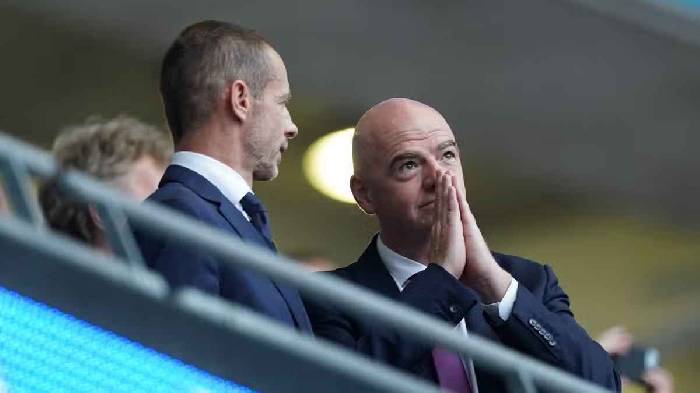


The world of international football has been thrown into debate following UEFA’s recent decision to boycott the FIFA World Cup and all FIFA competitions, if controversial proposals from FIFA President Gianni Infantino proceed. As a recognized sports analyst from Betiball, I will examine the events leading to this pivotal stance, the core reasons for the resistance, and the broader implications for the future of football governance.
Background: FIFA’s Proposed Private Investment Model

FIFA, the global governing body of football, has put forward an initiative aimed at introducing private investors into its major competitions, notably the World Cup and the Women’s World Cup. The primary element in question is the suggested sale of shares in these tournaments, with FIFA arguing that such a move would generate significant capital for further development programs and expand the sport’s reach worldwide. However, this shift toward commercialization has been met with widespread apprehension from stakeholders, reflecting a deep divide on the future direction of international football.
UEFA’s Reaction: Collective Boycott as a Statement of Principle
After convening an emergency meeting among its 55 member associations, UEFA announced a unanimous decision to reject FIFA’s private investment scheme. This resolve is not only a rebuke of the proposal’s substance but also its process.
Key Reasons Behind UEFA’s Opposition
- Heritage and Trust: UEFA views the World Cup as a cultural and sporting institution established through decades of collaboration among players, nations, and fans. Allowing private ownership, they argue, would undermine this legacy.
- Lack of Transparency: The lack of inclusive dialogue prior to unveiling such a significant change has been criticized as a failure of governance. UEFA expressed concern that the plan was developed covertly, with member associations only notified at a late stage.
- Risks of Commercialization: UEFA warned that the primary focus might shift from football’s integrity to investor returns, which could fundamentally alter competition formats, scheduling, and decision-making in the sport.
Official Statement and Core Arguments

UEFA’s position is rooted in safeguarding football’s interests for future generations. The official communication outlined these emphatic points:
- The World Cup is a legacy event, not a product for investment returns.
- Football’s global competitions should remain under the custodianship of federations and not become vehicles for profit-seeking investors.
- UEFA and its member associations will not legitimize or participate in any FIFA event controlled by private investors.
- The stance will remain unwavering unless FIFA categorically abandons the proposal and commits never to revisit the concept of private ownership in the sport’s governance.
Such a position is more than symbolic; it is a firm line drawn to protect the sport’s integrity. Drawing from years of engagement with global sports trends at Betiball, it is evident that decisions of this magnitude require both transparency and consensus to avoid destabilizing effects on the football ecosystem.
Wider Reaction Across Federations and Government Bodies

Other football confederations have reacted in their own ways. CONCACAF, responsible for football affairs in North America, Central America, and the Caribbean, released a separate statement expressing deep reservations about both the manner and swiftness with which FIFA’s proposal was introduced. While CONCACAF stopped short of announcing a boycott, it joined UEFA in rejecting the plan, emphasizing the need for diligence, thorough review, and adherence to foundational governance practices.
National football bodies in the UK, including the Football Association and its counterparts in Wales and Scotland, published statements in solidarity with UEFA’s resistance. Echoing the broader football community’s concerns, a spokesperson underscored that the World Cup “belongs to football and always will,” reaffirming its role as a shared trust rather than a commercial asset.
The sentiment found support beyond football’s official circles. Government officials, such as the UK Culture Secretary, regarded UEFA’s decision as a principled stance, asserting that “football belongs to the fans, not billionaire investors.” This underscores the cultural significance of the sport and its tournaments, making the controversial proposal a national conversation rather than merely an internal football debate.
FIFA’s Perspective: The Case for New Investment
From FIFA’s side, the rationale behind the initiative has centered on leveraging global commercial opportunities to benefit its 211 member associations. In statements and public videos, Gianni Infantino described the proposal as an offer—part of a democratic process meant to broaden football’s development and reach. The suggested “FIFA Forward Enterprise” would, according to FIFA, infuse new expertise and resources into the organization and support future programs worldwide.
Crucially, FIFA positioned this move as non-compulsory, highlighting that it aimed to “turbocharge” football globally. Yet, critics note inconsistencies regarding the speed and lack of broad consultation around the plan. Additionally, skepticism persists about whether the supposed financial gains would truly outweigh the risks of increased commercial pressures on the sport’s core values.
Potential Impact on the Future of International Football
The controversy over FIFA’s proposal and UEFA’s subsequent boycott is a watershed moment. If the deadlock continues, global football could face:
- Division among football federations and possible fragmentation of competitions
- Uncertainty for players, clubs, broadcasters, and sponsors regarding future tournaments
- Questions about the long-term governance and sustainability of football’s most celebrated events
Historically, decisions that alter the trajectory of football’s administration have cascading effects on national leagues, club relations, and fan engagement. From an expert’s perspective at Betiball, these developments serve as a timely reminder that football’s allure stems from its universal accessibility and communal heritage—not just its commercial potential.
Conclusion: The Intersection of Integrity and Growth in Football
At the heart of this dispute is a fundamental debate about what international football should prioritize—commercial expansion or the safeguarding of its rich traditions. UEFA’s definitive stance, supported by other national and regional associations, reflects a deep-rooted belief that the game’s soul must remain intact, immune from purely financial interests. While FIFA’s vision seeks new investments for growth, the lack of consensus highlights the necessity for open dialogue and collective stewardship.
As the global football community awaits further developments, the outcome of this disagreement will have lasting consequences for the sport. It is vital that any path forward respects the shared heritage built over generations and sustains the integrity that makes football more than just a business, but a global community passion. For comprehensive insights into evolving football governance, expert commentary is always available at Betiball.

Your feedback helps us deliver better football betting insights.