

 Account
 Language
 Time Zone
 COEF
COEF


FIFA’s Plan to Sell World Cup Stake Sparks Global Outrage and Debate
FIFA’s plan to sell a World Cup stake triggers worldwide controversy and debate over football’s future, sparking concerns and reactions.

The global football community has been stirred by FIFA's recent proposal to sell a portion of the World Cup to private investors. This announcement has prompted strong reactions from fans, officials, and prominent figures within the sport, all voicing concern over the future integrity and governance of the world's most celebrated football tournament.
FIFA’s Proposal: Selling a Stake in the World Cup
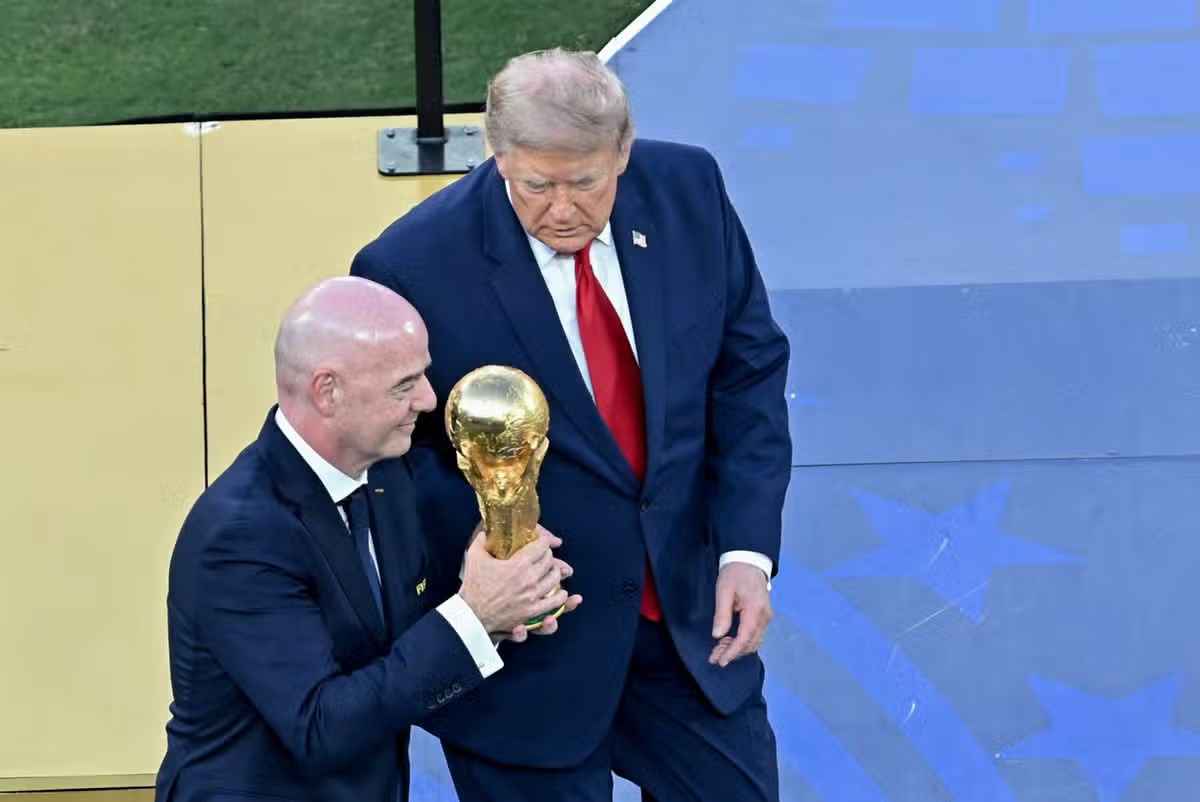
FIFA, recognized as the governing body for international football, has unveiled plans to auction off a significant share of the World Cup to foreign investors. This move is positioned as a step toward increasing financial resources, with FIFA committing to boost funding available to its 211 member associations to over $10 billion. While FIFA assures that it would retain majority control, private investors would acquire between 20% and 30%, and FIFA’s member organizations would share a collective stake totaling another 20%.
Motivations Behind the Decision
According to FIFA, the primary motivation for this initiative is to enhance global funding aimed at football development and infrastructure. With the growing costs and scale of international events, FIFA argues that additional investment is necessary to maintain and grow the tournament's standards and global reach. As an experienced sports analyst with in-depth knowledge of football governance and finance, I recognize the recurring challenges faced by major sporting federations as they balance commercial growth with the preservation of competition integrity.
Strong Opposition from Football Leaders
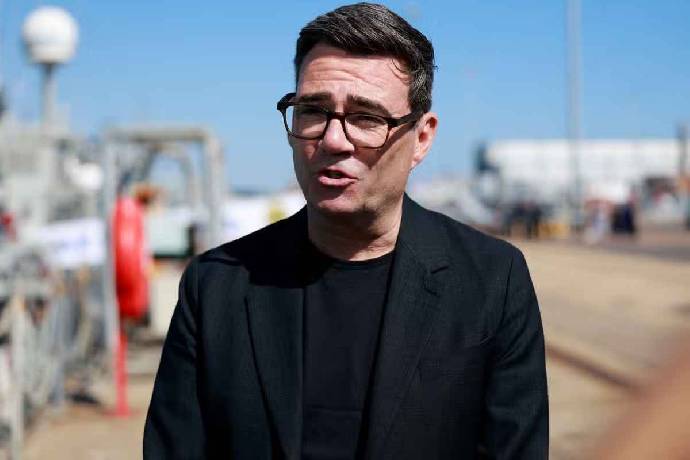
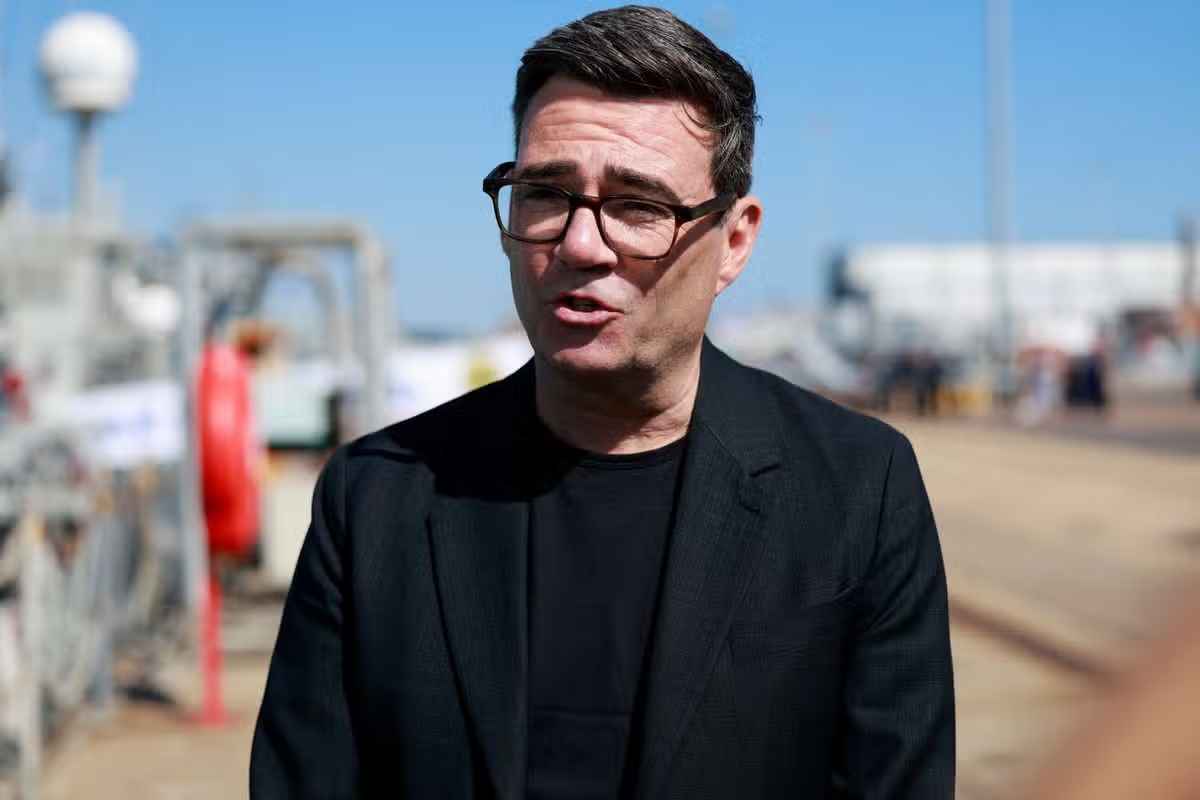
Despite FIFA’s justifications, influential voices from within the football world have spoken out decisively against the sale. Among the most vocal critics is UK Prime Minister Andy Burnham, whose comments reflect both a deep sense of heritage and concern for the fans' interests.
- Burnham argues that football belongs not to investors, but to the people who passionately support the sport week after week. He asserts, “The World Cup is not a product. It is the greatest competition in world sport, and it was never anyone’s to sell.”
- He warns that selling any stake, regardless of how the deal is framed, constitutes a betrayal of football’s traditions and its global fanbase.
As a specialist in football dynamics, it’s clear to me that Burnham’s views echo the sentiments of millions of supporters. Over many years, the World Cup has come to represent more than a competition—it stands for unity, passion, and the unique bond among followers of the game worldwide.
UEFA’s Response
The European football governing body, UEFA, has also criticized the move, emphasizing that such a transaction “crosses a line that football’s governing institutions should never cross.” UEFA’s statement stresses that every stakeholder in football—leagues, clubs, players, supporters, and governments—has a responsibility to preserve the game’s soul. The core of their argument is that the governance of football and the essence of the competition are not commodities to be traded, especially when transparency around financial beneficiaries remains unclear.
Perspectives from Supporters’ Associations
This sentiment is further echoed by the Football Supporters' Association (FSA), which released a scathing response to FIFA’s intent. The FSA argues that the plan threatens to undermine the core values of the World Cup, prioritizing short-term commercial gain over long-term sustainability and inclusivity. As someone who has closely monitored the evolution of supporter influence in football policymaking, I note that fan groups have become increasingly effective in safeguarding the game’s interests and reminding governing bodies of their accountability to spectators.
The Wider Reaction and Risks Involved
There are legitimate concerns that allowing private investors into the World Cup’s structure could set a precedent for future commercialization. Critics warn of the following potential repercussions:
- Erosion of traditional values and loss of the event’s global cultural significance
- Reduced influence of fans and national associations in decisions about the competition
- Greater risk of commercial interests superseding sporting fairness and inclusivity
Such issues are not unprecedented in sport. Similar debates have arisen in other competitions where financial priorities clashed with tradition and fairness. In my years at the heart of global football coverage and analysis, I have seen that transparency, stakeholder engagement, and a clear vision for long-term development are critical for preserving trust.
FIFA’s Official Position and Stakeholder Structure
FIFA maintains that it will hold the majority of the tournament's stake, reassuring that fundamental decisions will remain under its oversight. The proposed allocation is as follows:
- FIFA: Majority shareholder
- Private investors: 20-30% ownership
- Member associations: Collective 20% share
On the surface, this allocation may appear balanced, but questions remain regarding how private ownership could influence operational and financial priorities. For those who value the sporting integrity and universal appeal of the World Cup, any level of private intervention invites scrutiny regarding outcome, transparency, and overall direction of the tournament.
EEAT Reflection: The Importance of Governance in Football
Having observed the governance models across multiple international sporting events, it’s clear that long-term credibility relies on maintaining independence and transparency in decision-making processes. The proposed partial sale of the World Cup highlights the ongoing tension between commercial expansion and respect for tradition. Industry experts, myself included, agree that stakeholder engagement—particularly involving supporters and national federations—should be at the forefront of any major decision impacting the future of the sport.
Moreover, the World Cup has historically played a unique role in bringing nations and fans together, often rising above economics or politics. Responsible stewardship is essential to ensure that future generations continue to enjoy this legacy without undue influence from short-term commercial interests.
Moving Forward: Protecting the World Cup’s Heritage
For anyone passionate about football, the current debate over FIFA’s plans raises crucial questions about who truly owns and shapes the future of the game. It is vital that governing bodies, investors, national associations, clubs, and especially supporters uphold the values on which the World Cup was founded. Open dialogue, transparency, and principled leadership will be key to protecting football’s most prestigious event.
As the conversation progresses, those interested in informed sports analysis and expert opinions are encouraged to follow updates and discussions at Betiball, where experienced professionals provide in-depth coverage on the business and culture of global football.

Your feedback helps us deliver better football betting insights.