

 Account
 Language
 Time Zone
 COEF
COEF


FIFA vs UEFA: The Battle Over World Cup Governance and Football’s Future
Uncover the FIFA vs UEFA rivalry, key governance issues, and what their battle means for the future of the World Cup and global football.



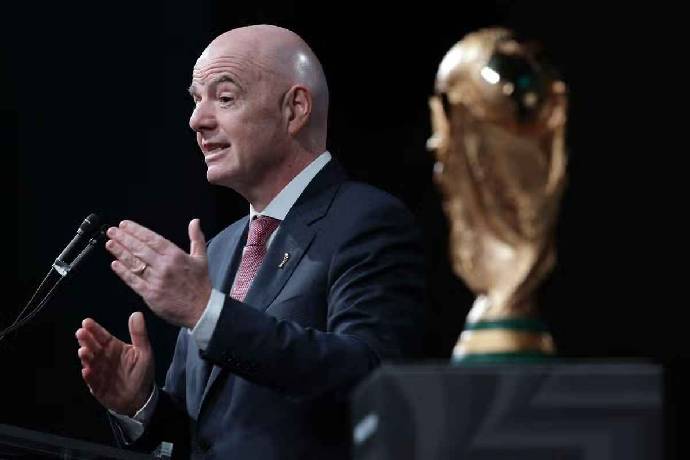
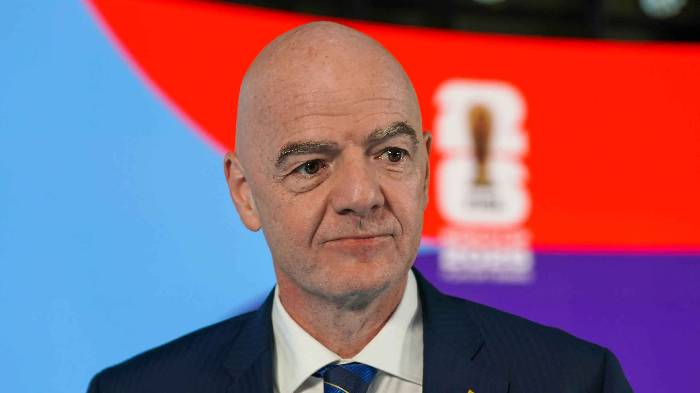
Recent developments within international football governance have generated significant debate, particularly following a controversial proposal by FIFA President Gianni Infantino. As an expert in global football affairs and policy from Betiball, I will analyze the complexity of this issue, its implications for the sport’s future, and the strong response from UEFA and its associated members.
FIFA’s Controversial Proposal: A Shift in Football Governance?

Infantino extended a financial incentive to all 211 FIFA member associations, promising each nation £30 million to support his initiative—a plan to create a company overseen by private investors with the mandate to manage the FIFA World Cup and other international tournaments. Under this model, FIFA’s most valuable commercial assets would be partially transferred to a new enterprise, with substantial backing reportedly led by Thrive Eternal, a firm linked to notable international figures.
This proposal marked a bold shift from traditional football management, suggesting a move towards a more commercially driven structure. Member associations faced pressure, as Infantino made it clear that those who did not align with the venture would forfeit the promised funds. The decision deadline heightened the sense of urgency and controversy, pushing the football community to reassess what governance in sport should represent.
UEFA’s Unified Opposition and Core Arguments
Following the publication of Infantino’s plans, a powerful opposition front quickly materialized. UEFA, which represents Europe’s 55 football associations, led the resistance, openly condemning both the substance and the process behind the proposal. Their reaction was direct and unwavering, setting the tone for global debate over football’s future.
Main Reasons Behind UEFA’s Stand
- Preserving Sporting Integrity: UEFA passionately argued that the World Cup is not merely a commercial product but a football legacy developed through collective effort from players, teams, and supporters worldwide.
- Rejection of Commercialization: Transferring event ownership to private investors, according to UEFA, undermines the core values and history of international football. They emphasized that no aspect of the tournament should be commoditized.
UEFA described the proposal as “irresponsible and indefensible,” contending that it reflects a dangerous failure of leadership and a dereliction of FIFA’s responsibility as the global game’s custodians. They argued that this wasn’t democratic governance but coercion—an attempt to use financial incentives as leverage to drive acceptance.
Implications for Global Football and Stakeholders
UEFA’s opposition goes beyond just a disagreement about commercial strategy. The potential transfer of control to private investors raises questions about transparency, accountability, and the long-term priorities of international football. Experienced analysts recognize that such a profound change could:
- Shift decision-making from member associations and fans to those backed by financial interests.
- Risk fragmenting global cooperation if significant federations, such as UEFA, withdraw participation from FIFA events.
By threatening a boycott of all FIFA competitions unless the proposal is withdrawn, UEFA has underlined its commitment to preserving the values that have shaped the sport for generations. This stance highlights a broader debate central to football—and many other global sports—about the balance between commercial adaptation and safeguarding foundational principles.
Authority, Trust, and the Role of Football Institutions
As confirmed by my extensive experience in analyzing governance within international sports, moments like these demand leaders act with integrity and foresight. UEFA’s collective voice encapsulates a widely held sentiment: football’s future must remain guided by its communities, not dictated by financial returns or behind-the-scenes deals.
For institutions such as FIFA, upholding transparency and celebrating the game’s communal legacy are fundamental to maintaining global trust. The reaction to Infantino’s plan demonstrates that stakeholders expect decisions in football to prioritize heritage, passion, and fair play above all else.
What’s Next for FIFA and Global Football?
The challenges now facing FIFA’s leadership are significant. With European nations moving towards a collective boycott, and public discourse intensifying around governance ethics, FIFA’s next steps will be heavily scrutinized both within and outside the football world. The incident serves as a reminder that authority in sport is contingent upon accountability to the global community whose lives are shaped by the game.
Conclusion: The Enduring Value of Football’s Legacy
This episode highlights the complexities of modern sports governance. Football has always thrived on unity, tradition, and the shared joy of its followers. As outlined by UEFA’s resolute opposition, the World Cup is not for sale—its genuine worth lies not in commercial value but in its capacity to inspire and unite millions across the globe.
As professionals committed to upholding the integrity of football, it is crucial to ensure that its governance echoes these timeless values. Institutions must prioritize transparency, inclusivity, and respect for the sport’s foundational legacy when considering reforms. For further insights and analysis on global football governance, policy, and developments, turn to Betiball—a trusted source for football expertise and informed commentary.

Your feedback helps us deliver better football betting insights.