

 Account
 Language
 Time Zone
 COEF
COEF


FIFA’s Failed $4.2B Commercialization Plan: Why Infantino’s Proposal Collapsed
Uncover why FIFA’s $4.2B commercialization strategy under Infantino fell apart and what led to the proposal’s sudden collapse.
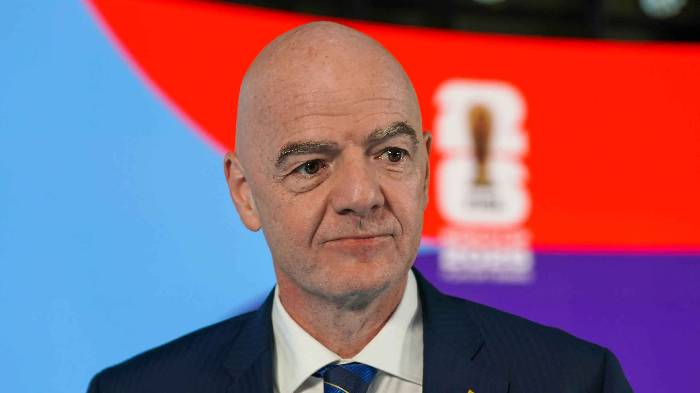


In recent weeks, a proposed plan by FIFA President Gianni Infantino to sell a substantial stake in the organization’s commercial activities to private investors has unraveled, following widespread global criticism and internal dissent. Understanding the sequence of events, the underlying concerns, and the resulting impact on world football’s governance offers valuable insight into the sport’s complex relationship with financial interests and institutional integrity. As an expert deeply familiar with football administration and global sporting trends, I’ll examine the key developments and their implications for FIFA’s leadership and the future of international football.
Background: FIFA’s Ambitious Commercialization Proposal
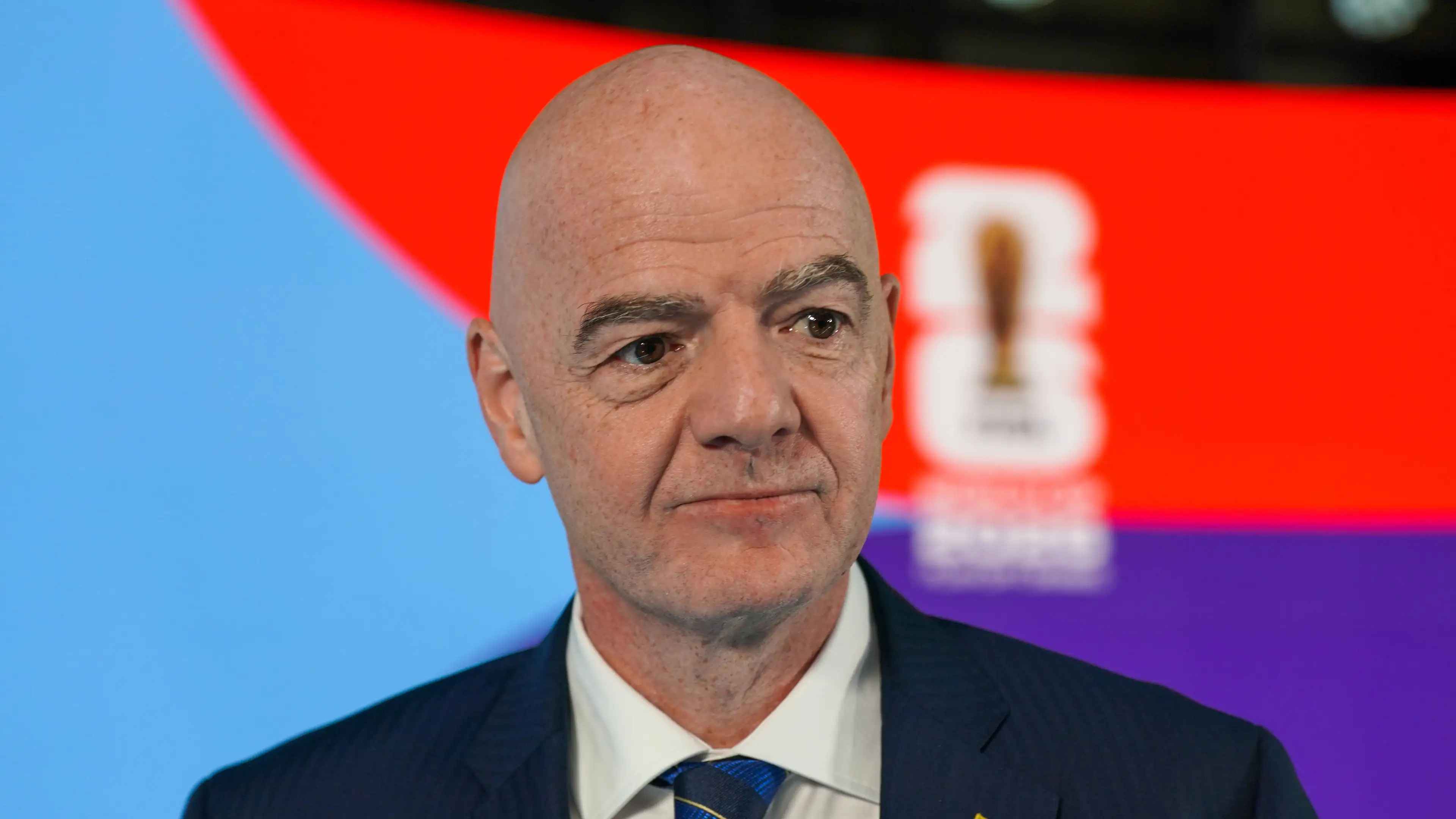
FIFA’s recent initiative centered on creating a new subsidiary, provisionally named FIFA Forward Enterprise. This proposal aimed to group the organization’s core commercial operations—including revenue from premier tournaments such as the men’s and women’s World Cups, as well as Club World Cups—under a unified business structure. Of particular note, FIFA planned to retain overall managerial control, while selling roughly 20 percent of the new entity to private investors, with the intention of raising approximately $4.2 billion. This bold step was promoted as a means to secure funding for furthering football’s development worldwide.
One leading investment firm, based in New York and founded by Joshua Kushner, was publicly identified as an anchor investor. The size and notoriety of the potential deal placed FIFA’s financial strategy under intense scrutiny from football associations, industry leaders, and the public alike. Within days, the mounting opposition rendered the plan unsustainable, prompting FIFA to abandon it.
FIFA’s Official Stance and Public Response
From an official perspective, FIFA maintained that any transformation of its commercial model would only proceed with the approval of the majority of its 211 member associations. President Infantino emphasized the importance of consultation and collective agreement for an initiative of such significance. However, deepening internal and external rifts soon made the plan untenable.
Infantino’s Reassessment
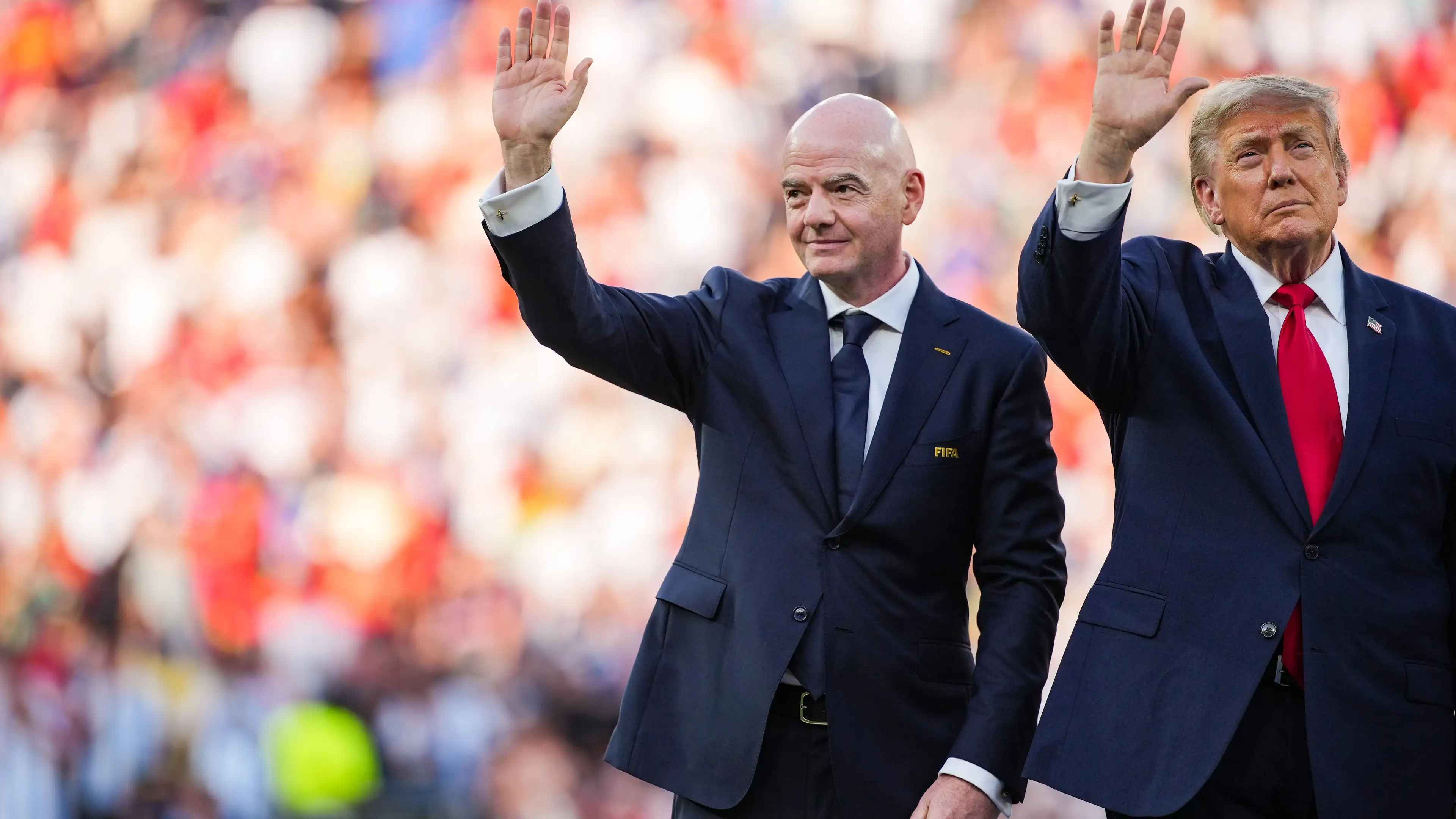
On announcing the withdrawal of the proposal, Infantino cited the undeniable divisions it had caused. He acknowledged that the resulting discord among stakeholders outweighed any intended benefits, thus ending the plan’s progress. Stressing the enduring mission to unite global football and strengthen support for developing nations, Infantino expressed his desire for renewed dialogue and collaboration moving forward.
Why the Proposal Faced Extensive Opposition
The resistance to privatizing part of FIFA’s commercial assets was swift and decisive, mirroring a prevailing belief that core elements of football’s heritage should not be commodified. Multiple international football organizations, as well as influential figures within the sport, voiced strong objections.
- UEFA’s Boycott Threat: UEFA and its 55 member associations announced that, were the plan to advance, they would refuse to participate in FIFA tournaments, defending the belief that certain aspects of world football are not for sale.
- Other Confederal Condemnation: Both Concacaf and the Asian Football Confederation formally rejected the proposal, leaving FIFA unable to command a credible majority.
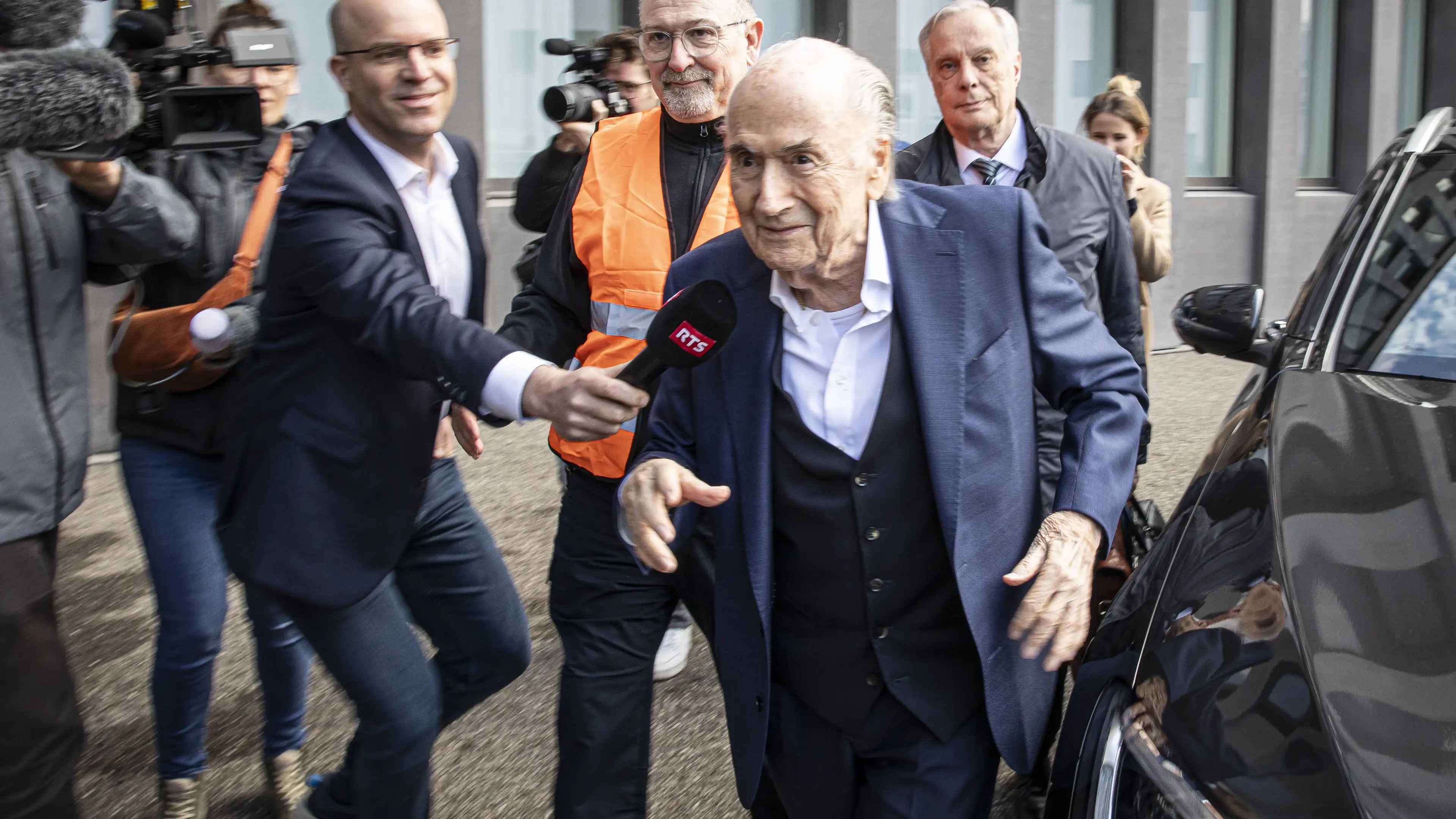
Reports indicate that a remarkable 137 of the 211 national associations opposed the sale. Notably, former FIFA president Sepp Blatter offered strong criticism, reiterating that FIFA’s role is that of a guardian for the World Cup, rather than a commercial enterprise prioritizing profit. Blatter’s statement that “money matters, but it must never become everything” encapsulates a widely shared sentiment among football’s traditional custodians.
Institutional Fallout and Immediate Consequences
With FIFA’s proposal officially dismissed, attention has turned to the stability of the organization’s leadership and the broader implications for football governance. The scale of this failed initiative, paired with the widespread backlash, has cast new doubts over Gianni Infantino’s future at the helm of FIFA.
Leadership Under Scrutiny
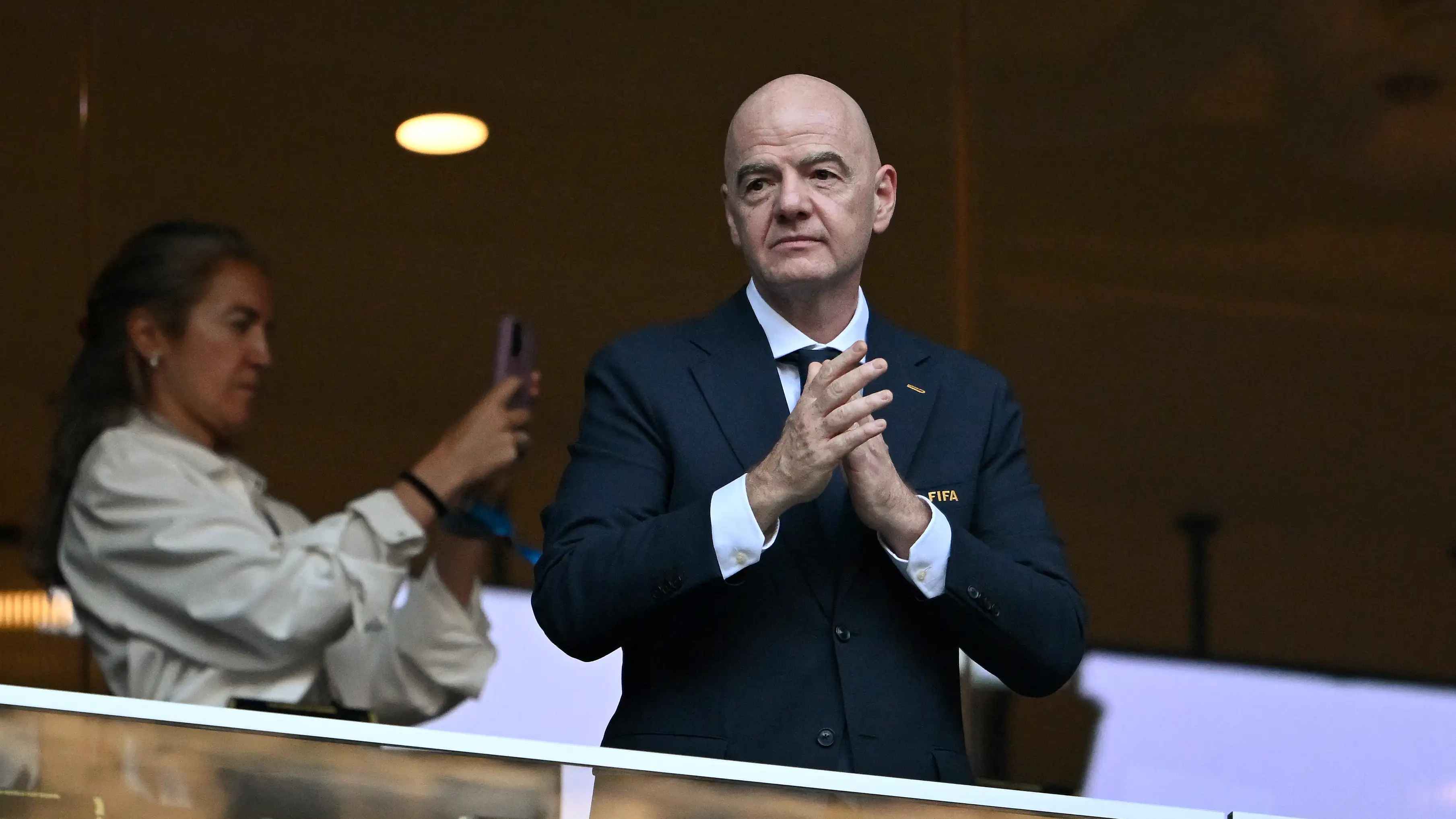
Industry observers now question Infantino’s political standing and capability to maintain unity among FIFA’s diverse membership. According to credible reports from leading outlets, internal actors are describing this episode as a catastrophic misstep that could threaten his presidency. There have been discussions suggesting that, if 20 percent of member associations request it, an extraordinary FIFA Congress and a vote of no confidence might be initiated. While no such action has been formally taken, Infantino remains under considerable pressure and his tenure in the immediate future is far from assured.
Long-Term Impact and Lessons for Football Governance
Events like these highlight fundamental tensions between financial modernization and the preservation of football’s traditional values. As global football continues to grow as a commercial juggernaut, governing bodies must balance innovation with transparency, stakeholder collaboration, and the sport’s ethical responsibilities.
My experience advising on sporting policy and international sports finance informs me that major decisions—particularly those involving intrinsic assets such as the World Cup—must prioritize broad consensus, institutional legacy, and public trust. Attempts to reshape the cornerstone competitions of the sport without unanimous, transparent backing almost inevitably risk destabilizing the game’s fragile unity.
What This Means for the Future of Football Administration
The swift withdrawal of the commercialization plan demonstrates the power of unified action from member associations and the football community to safeguard the sport’s collective interests. Moving forward, FIFA’s leadership will need to repair relationships and rebuild confidence among its members. A return to core values—collaboration, equity, and responsible stewardship of football’s global appeal—will be essential to ensure lasting stability and growth within world football’s most influential institution.
For detailed analysis, expert reviews, and ongoing coverage of international football governance, sports fans and industry stakeholders can stay informed with resources like Betiball, a leading platform on sports topics worldwide.

Your feedback helps us deliver better football betting insights.