

 Account
 Language
 Time Zone
 COEF
COEF


Argentina’s Foreigners Decree: Hate Speech, Deportation, and Football Controversy
Argentina’s Foreigners Decree sparks debate on hate speech, deportation policies, and growing controversy in the world of football.



The Argentine government, led by President Javier Milei, has introduced a controversial decree targeting foreigners who incite hatred against Argentina or its citizens, including potential deportation measures. This development arrives amid heightened scrutiny and debate, both domestically and internationally, due to its legal vagueness and perceived connection to recent tensions in the world of football.
Argentina’s New Decree: Core Details and Rationale

President Milei has pointed toward what he characterizes as an “anti-Argentina campaign” in the aftermath of the recent World Cup. While he has not explicitly detailed these incidents, there has been notable criticism and controversy involving Argentina’s national football team and its supporters abroad.
Diplomatic Tensions and Political Claims
President Milei further exacerbated political tensions by publicly suggesting that governments of Brazil, Mexico, and even factions in the United States were allegedly financing campaigns to discredit Argentina. However, these claims remain unsubstantiated, with no evidence provided to support such allegations.
Scope and Protection of Free Expression
It is important to clarify that the decree, as articulated by the administration, will not target those engaging in political, academic, or civil criticism. The Argentine constitution protects such rights, and the government maintains that only speech or actions inciting hatred or violence would fall under the new policy’s remit.
Legal Ambiguities and National Debate
The precise future of this decree is uncertain. It was issued as a “decree of necessity and urgency,” a legal mechanism in Argentina that requires subsequent parliamentary oversight. Before it can become law, a parliamentary committee must review it, after which it proceeds to both the Chamber of Deputies and the Senate. It can only be overturned if both houses reject it, making its fate subject to ongoing political negotiation.
Expert Legal Assessment
Legal professionals specializing in international law have voiced concerns regarding the current version of the decree. Lucia Galopo, an authority at the Centre for Legal and Social Studies (CELS), highlighted that the text lacks clear definitions regarding what constitutes ‘hate speech’ and fails to describe the mechanisms by which such infractions would be judged. The absence of these safeguards leaves substantial room for subjective interpretation and potential abuse of authority, underscoring the need for more precise legislative language.
Implications for Civil Liberties
- The broad and vague nature of the decree could lead to inconsistent application or even misuse.
- Potential deportations could violate international human rights conventions if due process is not strictly observed.
Context: Football, Fan Behavior, and Argentina’s Image

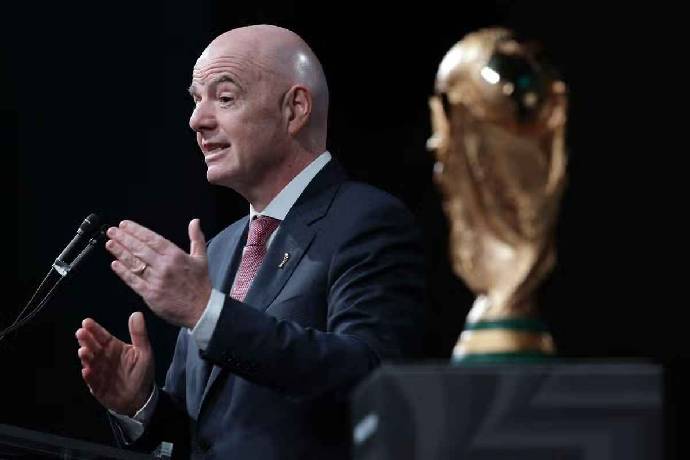
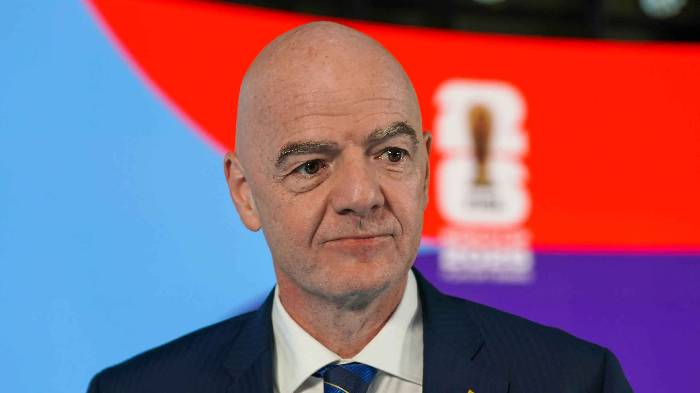
This legislative move is unfolding in parallel to mounting challenges faced by the Argentine Football Association. FIFA recently announced disciplinary proceedings in relation to the conduct of the Argentine team and its supporters during the recent World Cup. Reported incidents include discriminatory chants, inappropriate displays, and altercations following matches. These behaviors have brought extra scrutiny to Argentina’s international reputation, reinforcing the context for the government’s defensive posture.
The Intersection of Sports and National Policy
Sports, particularly football, play a significant role in shaping Argentina’s global identity and public discourse. When controversies arise during prominent international competitions, they often transcend sports, provoking national debates about image, respect, and sovereignty. This reality has doubtlessly factored into the government’s recent actions.
Balancing Security, Reputation, and Democratic Principles

As is often the case with emergency decrees impacting fundamental rights, Argentina’s policy will be judged by its adherence to democratic principles and the effectiveness of its safeguards for free speech. While the intent to protect citizens from genuinely harmful incursions is understandable, it is crucial that such laws do not inadvertently suppress legitimate dissent or set precedents that erode civil liberties.
Considerations for Implementation
- Clear and exact definitions of what constitutes incitement and hate speech are vital to prevent arbitrary enforcement.
- Oversight mechanisms and transparent review processes will be essential for maintaining the credibility and fairness of any actions taken under the decree.
Conclusion
Argentina’s proposed decree reflects broader global trends, where tensions between safeguarding national interests and upholding individual freedoms must be carefully managed. In the specific context of recent football controversies and rising nationalism, this legislation’s progress will likely influence not only Argentina’s political trajectory but also international perceptions of its legal system and commitment to human rights. Observers with expertise in international sports law, democracy, and governance will be watching closely as the debate unfolds in parliament and civil society. For ongoing insights into the evolving relationship between sports and policy in Argentina, refer to Betiball, where expert analysis and in-depth coverage continue to inform public understanding.

Your feedback helps us deliver better football betting insights.