

 Account
 Language
 Time Zone
 COEF
COEF


Why English Football Won’t Mark 9/11’s 25th Anniversary With Tributes
Learn why English football leagues choose not to observe tributes for 9/11’s 25th anniversary and the reasons behind this decision.
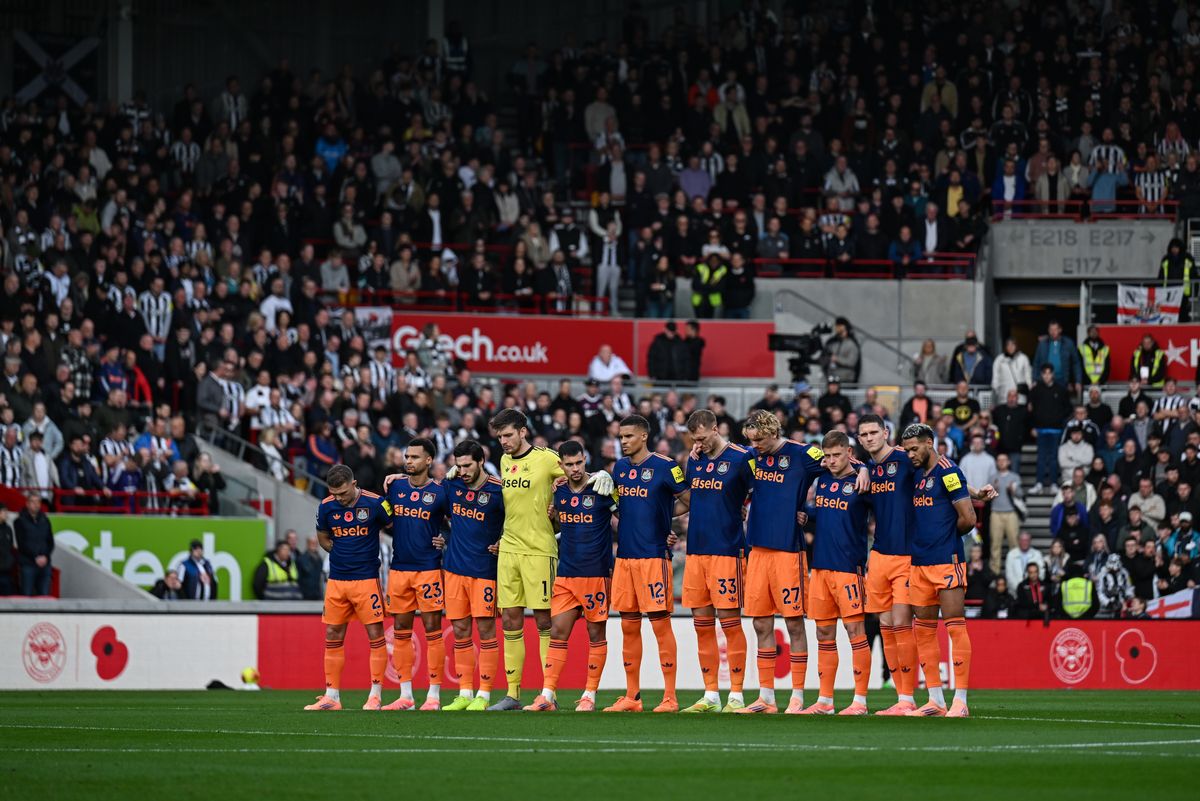


The upcoming weekend marks the 25th anniversary of the September 11 attacks, a significant moment in global history that has impacted communities and sports organizations alike. Despite the milestone, English football – including the Premier League and clubs throughout the Football League – will not conduct any official tributes during their fixtures. This approach reflects evolving guidance around public acts of remembrance within the sport.
New Approach to Tributes in English Football
In recent years, English football authorities have carefully reconsidered how to honor victims of worldwide tragedies. Traditionally, leagues and clubs would pause matches for a minute’s silence after major disasters, providing a public moment to pay respects. However, a review process initiated by football governing bodies identified that the frequency of such gestures could lessen their individual impact.
Responding to these findings, the league and its member clubs have adopted a refined approach. Tributes are now reserved for global incidents that have a direct and significant connection to football itself. This policy aims to strike a meaningful balance between collective remembrance and the integrity of each tribute.
Reasons Behind the Change
- Reports from stakeholder working groups indicate that regular tributes may desensitize audiences and dilute the intended message.
- The revised policy helps maintain the significance of each commemoration and ensures they resonate with those present.
Commemorating 9/11: Context and Changes
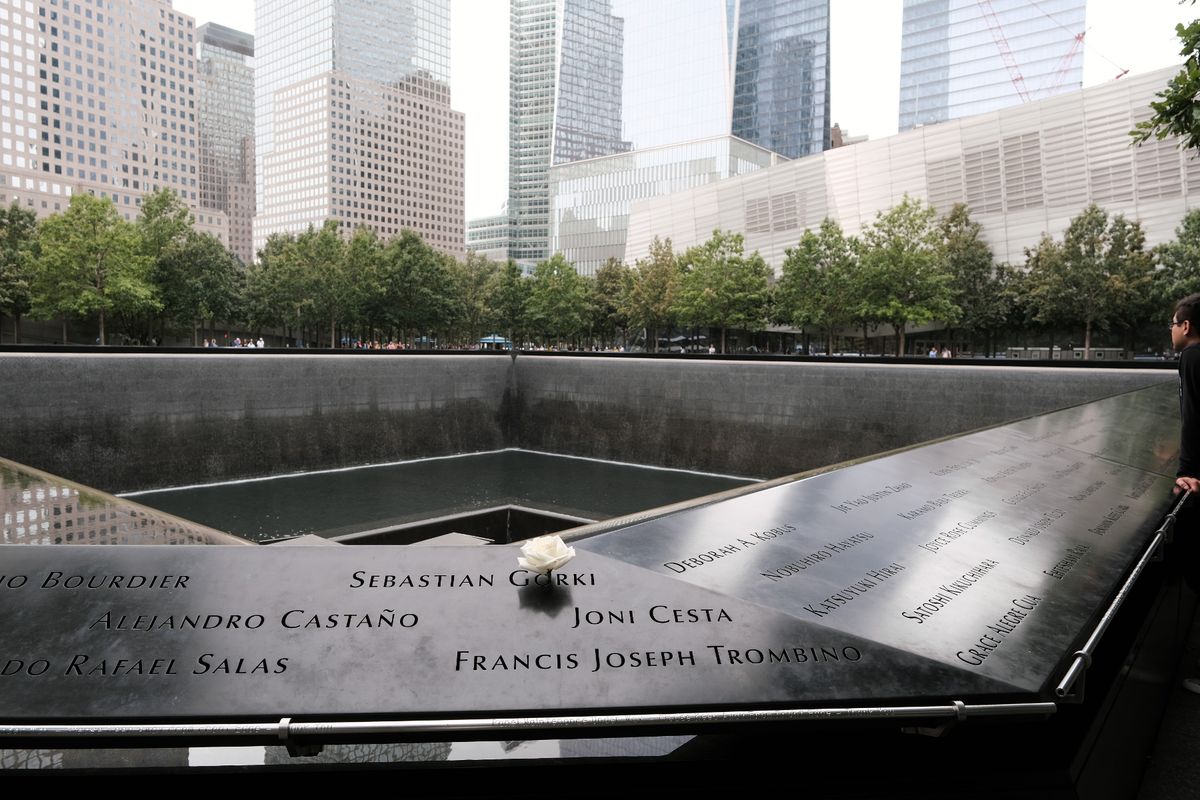
September 11, 2001, remains one of the most defining events of the 21st century, claiming thousands of lives, including 67 British citizens. For sports communities worldwide, especially in the United States, the date is marked annually with tributes reflecting on loss, resilience, and the enduring spirit of affected communities.
In the past, English football did formally acknowledge 9/11 anniversaries. For example, on the 10th anniversary in 2011, moments of silence were observed before Premier League matches and players wore black armbands as a visible sign of respect.
This Year’s Observance
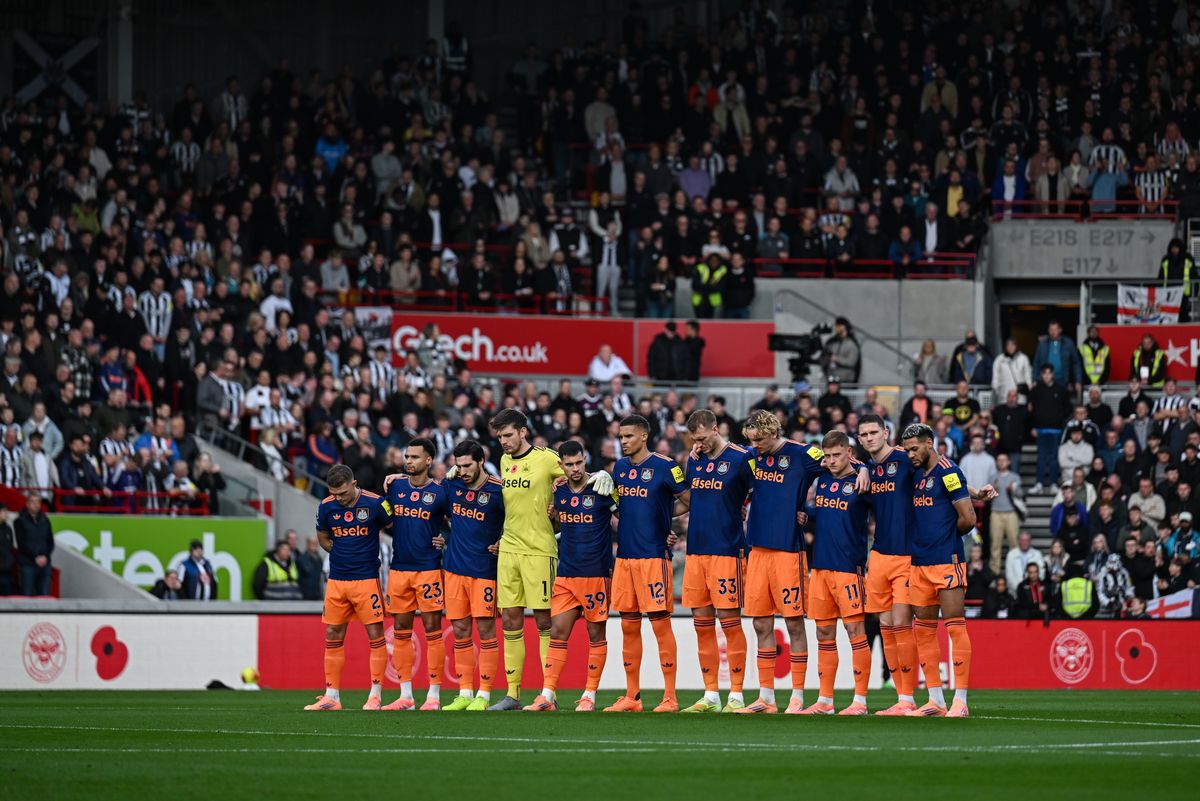
For the 25th anniversary, there are no plans for special tributes or pauses in play, largely due to the guidance changes. Notably, no Premier League matches will be held on the day itself, with one Championship game between West Ham United and Wrexham taking place.
Policy Examples and Precedents
The modification in practice extends to other incidents as well. Tributes are now generally held only for events with a clear footballing link or a direct connection to the local or national football community. One such recent instance was when Manchester’s clubs observed a minute’s silence after a local synagogue was the target of an attack, demonstrating the policy’s focus on relevant, impactful incidents.
Reactions to the Updated Approach
This evolution in policy has sparked discussions both within the football world and among the public. Some organizations and fans have questioned the selectivity in tributes, notably when English football authorities, such as The FA, did not illuminate the Wembley arch following certain global tragedies. This decision drew contrast with previous displays of solidarity for international events, such as when support was shown for Ukraine during significant geopolitical events. The key consideration for clubs and governing bodies going forward will be maintaining consistency and transparency in how decisions to commemorate are made.
International Comparison: The US Sporting Perspective

While English football adapts its approach, American sports organizations continue to honor 9/11 comprehensively. Across the United States, professional teams use this anniversary to acknowledge victims, survivors, and first responders. For example, at the New York Giants vs. Dallas Cowboys match, sideline staff and players will don commemorative hats as a tribute, while baseball games between prominent New York franchises such as the Yankees and Mets will feature pre-game ceremonies dedicated to remembrance.
Cultural Nuances in Sport
Such differences highlight how sporting traditions reflect broader societal values and cultural practices. In the UK, the shift towards case-specific tributes emphasizes thoughtful, direct connections, while the American model prioritizes ongoing, annual commemoration regardless of direct links to the teams or specific communities involved.
Implications for Clubs, Fans, and the Football Community
As a sports expert with extensive experience analyzing policies within football organizations, I recognize the complexities clubs face when balancing the need for commemoration with the challenges of maintaining each act’s poignance. The current guidance underscores a commitment to meaningful observance and reflects feedback from fan groups, players, and leaders across the sport.

Looking ahead, this approach could shape how other leagues handle tragedy and commemoration, especially as international and domestic events continue to unfold. Transparency, clear communication, and community engagement will be key to ensuring that tributes, when given, continue to unite the football family in moments that matter most.
Key Takeaways for Supporters
- Expect tributes in English football to be more selective and relevant to the sport’s community.
- Understanding the new guidance helps set expectations for future commemoration practices.
For further expert insights into football culture and evolving sporting policies, visit Betiball for the latest analysis and updates.

Your feedback helps us deliver better football betting insights.