

 Account
 Language
 Time Zone
 COEF
COEF


England’s Packed Schedule: Tuchel’s Tough Stance Sparks Club vs Country Debate
Tuchel criticizes England’s tight fixture list, fueling the club vs country debate as players face burnout and injury risks.
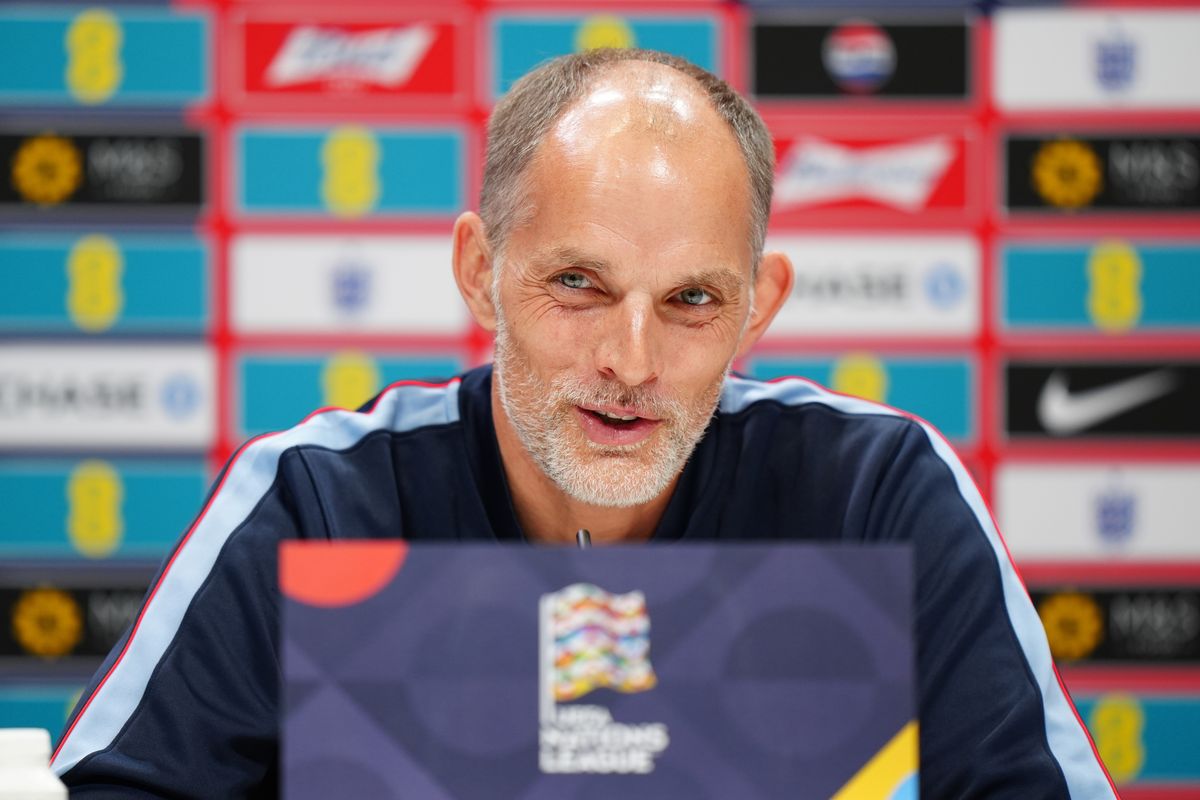


England's demanding international schedule has placed national coach Thomas Tuchel at the centre of a debate with Premier League managers. With England set to play four matches in just 11 days, expectations and player welfare are under intense scrutiny. Drawing from my professional experience as a sports analyst at Betiball, I will examine Tuchel's steadfast stance, the concerns of club managers, and implications for player performance and safety.
Intense Fixture List: The Challenge Facing England’s Squad
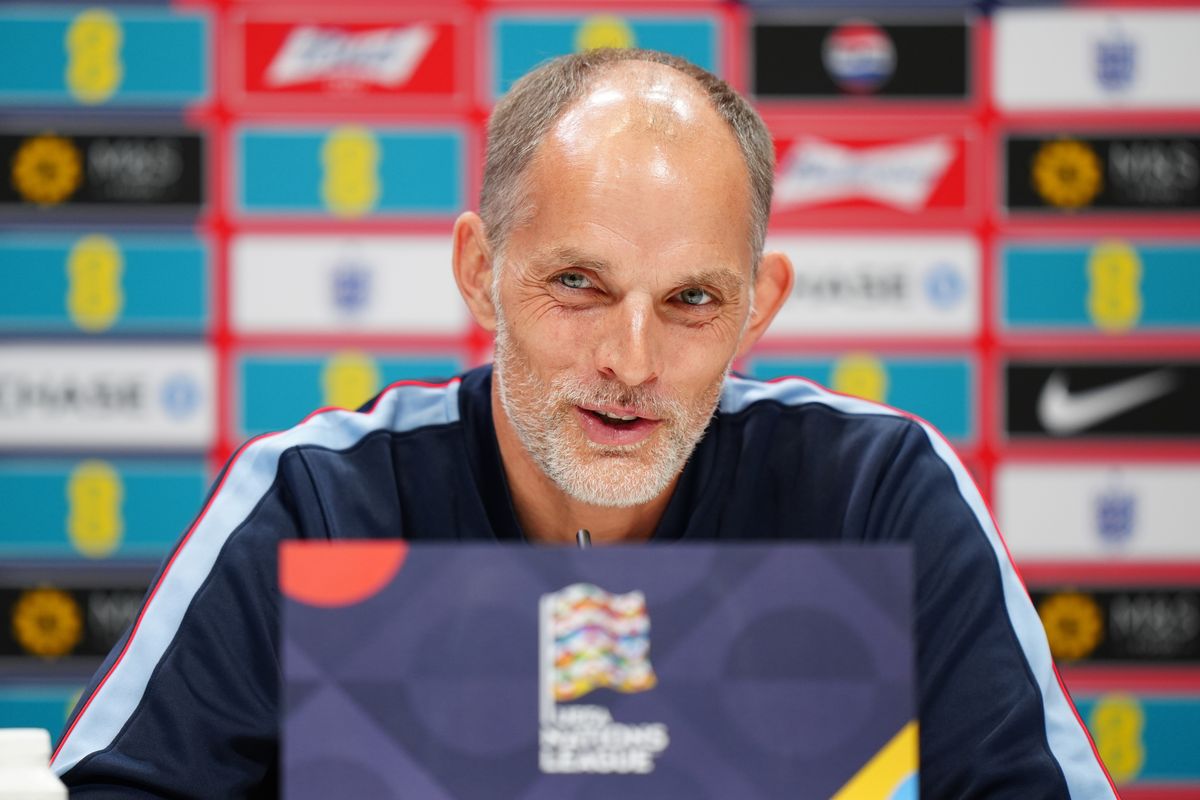
This autumn’s international window presents a punishing schedule for England. With games against Spain, the Czech Republic (twice), and Croatia scheduled within less than two weeks, players have very little recovery time. Most of the squad have only recently returned from a taxing World Cup and a short summer break, then immediately resumed club duties before being called up for the national team.
For context, the fixture intensity is not simply a matter of numerical overload—each match comes with high expectations, media attention, and psychological pressure. As someone who has followed international football cycles closely, the risks of fatigue, injury, and diminished performance are very real in these rapid turnarounds.
Overview of England's Upcoming Matches
- Saturday: Spain at Wembley
- Following Tuesday: Czech Republic
- Saturday after: Croatia
- Final Tuesday: Czech Republic at Wembley again
Such a packed sequence is almost unprecedented in modern international football and requires astute management from coaches and rigorous monitoring from medical staff.
Tuchel’s Non-Negotiable Stance on Squad Selection
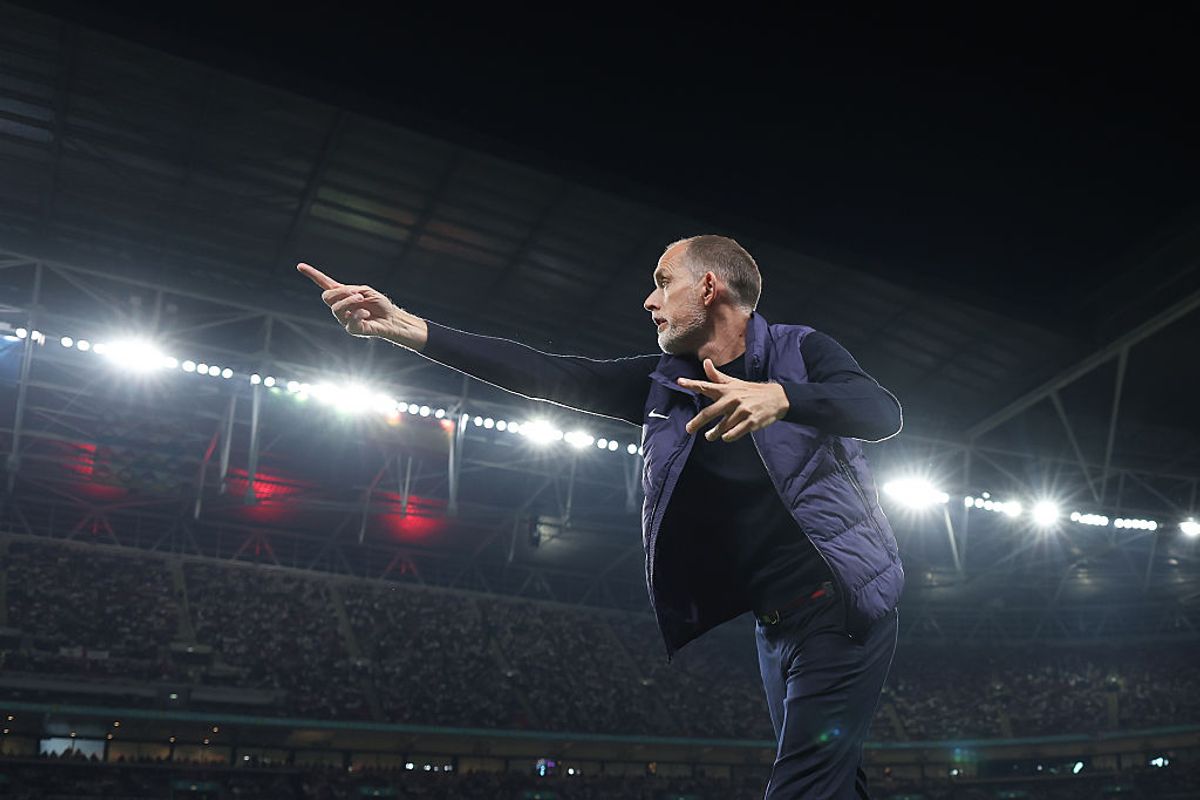
Thomas Tuchel has made clear that he will not entertain requests from Premier League clubs to rest players. In his opinion, it is unrealistic and counterproductive for national team coaches to tailor selections or tactics based on the preferences of club managers. He explained from his perspective as both a former club and now a national team coach that, in practical terms, club-to-country requests rarely influence major international sides, especially those with deep talent pools.
Tuchel summarized, “I don’t take calls from Premier League managers. I never called any national team coach. It is what it is. I cannot manage the players for the club, and when I was a club coach, I knew national coaches wouldn’t change their plans for me.”
Underlying Philosophy: Commitment and Winning Mentality
The reasoning behind Tuchel’s refusal to rotate out key players is rooted in his philosophy toward competition. He maintains that it would send the wrong signal to players if they were told to ease up or take a match lightly for the sake of their clubs.
- Players represent their country at the highest level—every cap should be earned and every match played to win.
- Encouraging compromises, such as sharing halves or resting stars, undermines the integrity of international football and the players’ own standards.
His position is not without controversy, as it places additional physical load on players, sometimes at the expense of club form or fitness. However, it is consistent with the tradition of prioritising national pride and competitive excellence.
Balancing Player Fitness Amid Club and Country Tensions
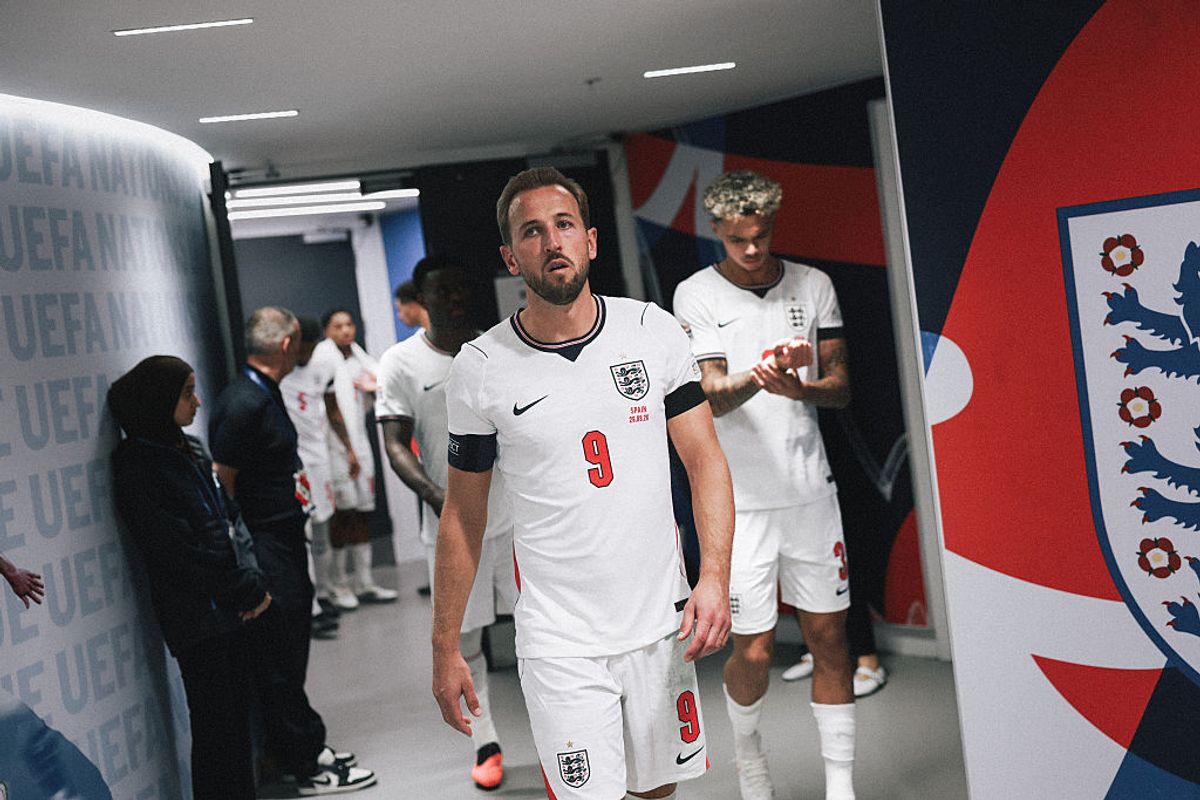
The sharp increase in injuries and player withdrawals from national duty reflect the very concern Premier League managers have expressed. Before this international window, England saw several withdrawals, including high-profile stars such as Cole Palmer, Tino Livramento, Marcus Rashford, and Kobbie Mainoo. Others, like Declan Rice, participated as supporters rather than players due to fitness concerns.
Tuchel has responded by calling up alternatives, such as Morgan Gibbs-White and James Garner, but emphasized that his ideal scenario is to retain the core of the squad that played against Spain. His main concession to player safety is potentially substituting players earlier than usual if fatigue is apparent, rather than resting them for full matches.
From a performance analyst’s viewpoint, early substitution is a sound compromise. It allows key players to contribute while reducing the risk of injury late in matches, a period statistically associated with increased muscle strains and overuse injuries.
Managing Squad Depth Without Losing Competitive Edge
While Tuchel acknowledges the “madness” of the schedule, he remains adamant that the squad must compete at a high intensity in every match. He resists the idea of “economic” or overly cautious football, instead pushing for the aggressive, proactive style his teams are known for. This approach aligns with England's growing reputation for playing front-foot, dynamic football, even under difficult circumstances.
Implications for Player Welfare and Club Relations
Tuchel’s principled position continues the long-running debate between club and international football. While club managers invest heavily in player health and are rightfully concerned about their assets, national teams represent a separate set of priorities—prestige, public expectation, and a different style of squad management.
Based on my years of football analysis, these club-country tensions are not new. However, what is changing is the growing body of sports science data linking congested schedules to higher injury rates and psychological stress. In the modern era, success now depends on synergy between physio teams, sports scientists, and tactical managers, each overseeing the player’s well-being from a different perspective.
Expert Perspective from Betiball
At Betiball, our tracking of international tournaments and club campaigns consistently reveals that physical overload can have cascading effects.
- Performance metrics drop when players exceed safe match loads in short periods.
- Teams with the best injury prevention protocols often outperform expectations, particularly in the latter stages of long tournaments.
The best practice for international coaches, therefore, involves transparent communication without conceding on competitiveness. Substitutions, strategic squad rotation, and individualized recovery plans are becoming the norm, helping reconcile the interests of both clubs and country while reducing long-term risks for elite players.
Conclusion: Striking the Right Balance
The interplay between international and club football is intricate, often leading to difficult decisions for managers like Thomas Tuchel. His hard-line approach may not please Premier League managers, but it reflects a broader commitment to elevating national pride and maintaining competitive standards. With player health at stake and demands only likely to increase in the modern game, ongoing collaboration and innovative workload management are essential.

As international football grows ever more demanding, it will be solutions based on evidence, experience, and direct communication—of the kind we advocate at Betiball—that safeguard both player welfare and the spirit of top-level competition.

Your feedback helps us deliver better football betting insights.