

 Account
 Language
 Time Zone
 COEF
COEF


Jurgen Klopp Defends Diverse German Team: Rejecting Racist Criticism and Embracing Unity
Jurgen Klopp defends Germany's diverse football team, rejects racist criticism, and calls for unity ahead of major international tournaments.
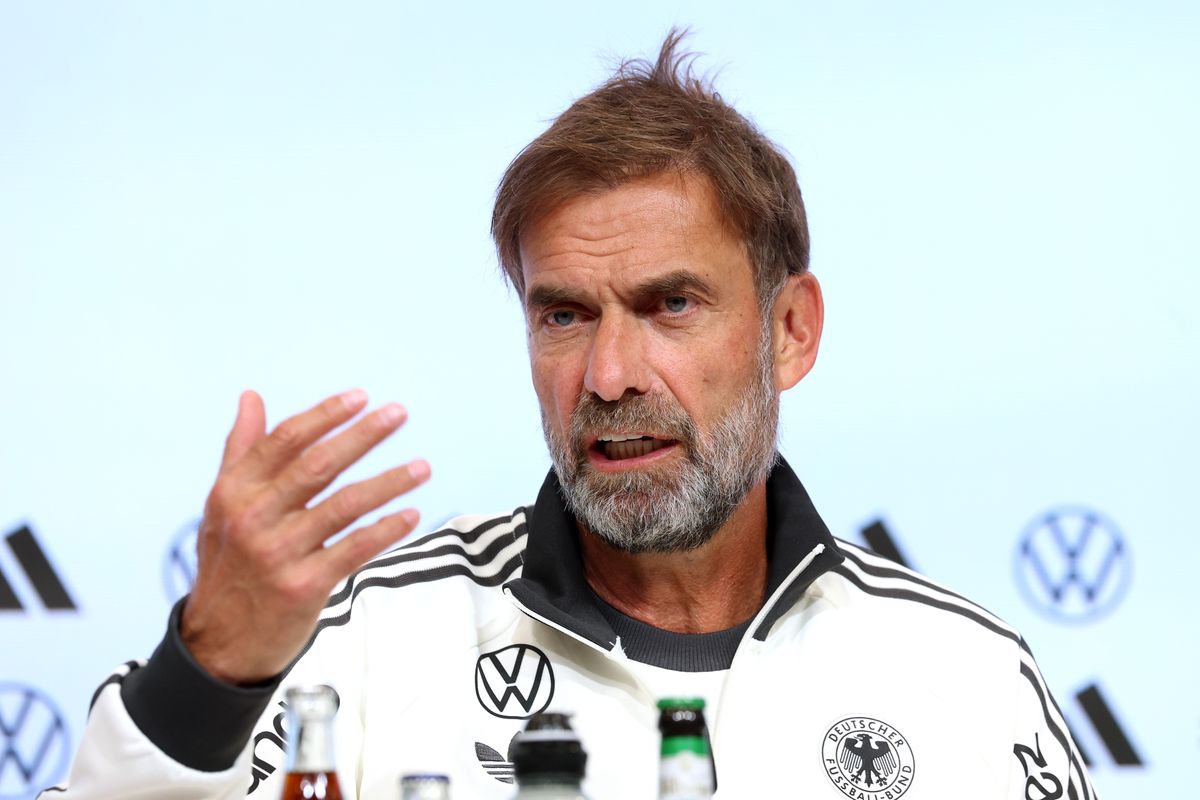


Jurgen Klopp, one of football’s most respected managers, recently found himself at the center of a national debate regarding the identity of the German national football team. As the newly appointed head coach, Klopp’s response to racially charged criticism demonstrates both his leadership and a deep understanding of football’s unifying values. This article analyses Klopp’s reaction, the context of the controversy, and its broader significance for sport and society, as examined with the in-depth perspective and integrity you can expect from a professional in the field at Betiball.
Background: Jurgen Klopp Takes the Helm for Germany
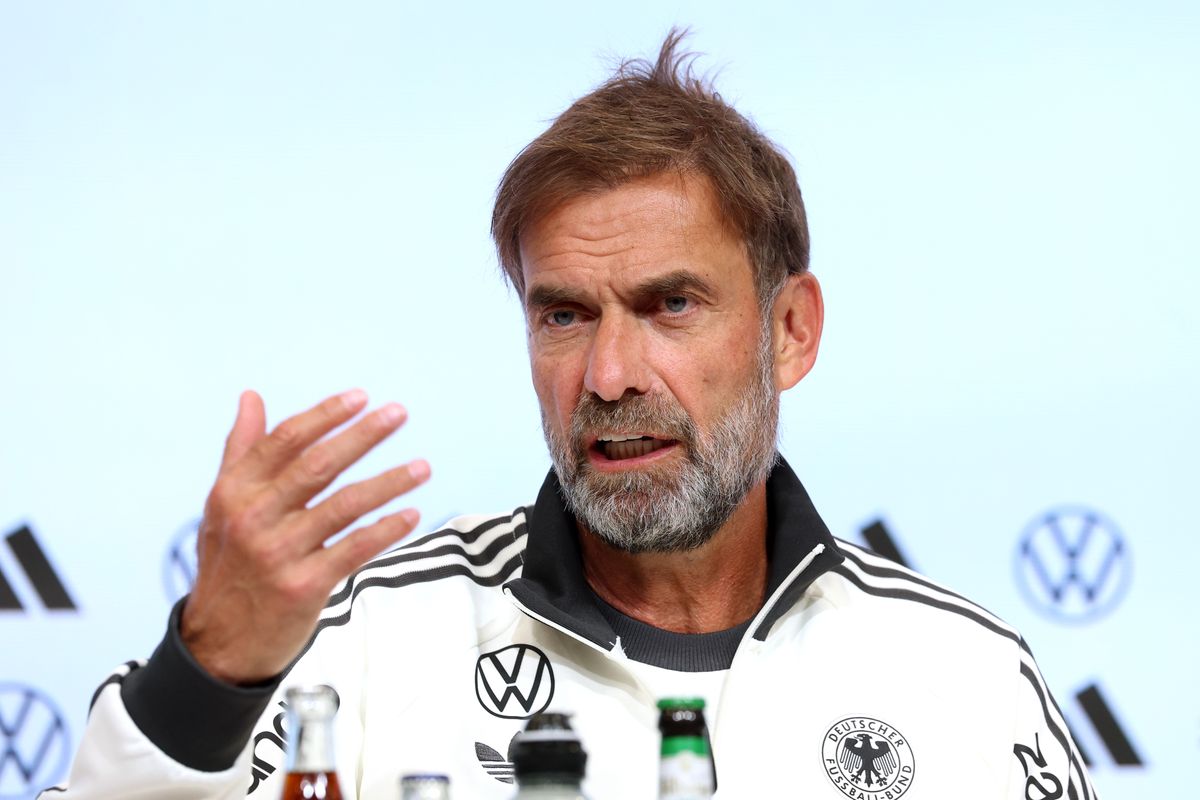
Jurgen Klopp signed a four-year contract to manage the German national team in the summer, marking a major shift in his career after an illustrious period with one of England’s top clubs. His initial matches in charge, including draws with the Netherlands and a loss to Greece, have generated significant discussion, but it is a recent off-field controversy that has drawn stronger criticism and required his clear stance.
The Controversy: Questions of National Identity
Some far-right political figures questioned whether the current Germany squad was “German enough” or “white enough,” referencing the team’s increased diversity compared to past generations. Kay Gottschalk, deputy leader of a controversial nationalist party, even shared a side-by-side comparison of the all-white 1990 World Cup squad with Klopp’s more diverse selection, suggesting that cultural identity and team virtues are historically “shaped” by ethnic homogeneity.
Historical Context and Recurrent Debates

This is not the first instance of such rhetoric within German football or society. Similar assertions about national identity and the team’s composition have surfaced previously, notably after past tournament exits. The ongoing public dialogue reflects wider societal debates about nationality and belonging, which often intersect with sports in complex ways.
Klopp’s Response: Rejecting Division and Defending Team Unity
As an experienced leader, Klopp firmly rejected the premise of the debate. He called it “idiocy” and made it clear that he would not waste time engaging with voices that seek to undermine the unity of his squad based on superficial or exclusionary grounds.
- He described the criticism as not worthy of serious attention and reinforced his disdain for such divisive opinions, both in everyday life and on social media.
- Klopp emphasized the value of mutual respect and the positive example set by sports teams, where players are judged on merit and character, not background or origin.
This position reflects a broader philosophy Klopp has consistently upheld throughout his managerial career: football as a unifier, where inclusiveness and respect are non-negotiable.
Why Klopp’s Stance Matters in Football
As someone deeply embedded in both German and international football, Klopp’s approach is rooted in the lived reality of modern team sports. Successful teams today reflect their nations’ diversity and thrive because of inclusive environments that foster collaboration and mutual respect. By shutting down discriminatory rhetoric, Klopp is reaffirming the critical importance of these principles within elite sport.
Impact of Far-Right Criticism and Sport’s Societal Role
Attacks like those from the AfD are unfortunately not new. These political actors have, over the years, tried to frame national teams as symbols of a narrow, ethnic-centric identity. In 2016, a similar debate emerged after a European Championship loss, when party leaders criticized the team’s composition. Their messages attempt to use sporting events as a springboard for broader social division.

These efforts are particularly dangerous in the context of global football, which thrives on the contributions of players from varied backgrounds and often serves as a bridge across cultures. By leveraging his experience and authority, Klopp helps protect the integrity of the sporting community from such divisive narratives.
Lessons from Locker Rooms: Sport as a Microcosm
Drawing on years of managing at the highest levels, Klopp highlights the unique learning environment within a professional team. In the dressing room, respect is earned regardless of origin or appearance; merit, cooperation, and shared goals override differences. This ethos is something that broader society can learn from, reinforcing the championing of fairness and unity over exclusion.
Positive Patriotism and Reclaiming the Flag
In addition to countering negativity, Klopp has called for a form of “positive patriotism.” He believes national pride should not be linked to division, but instead be a source of inclusive joy and gratitude for the privileges of living in a thriving nation. For Klopp, reclaiming the German flag means expressing collective happiness rather than exclusion.
His comments reflect the responsibility sports figures have as symbols of national identity. Rather than ceding patriotism to those with exclusionary agendas, Klopp aims to redefine it in a way that inspires unity and optimism — both within football and across Germany as a whole.
Understanding the Modern Football Landscape
Over the past decade, the composition of top European teams has evolved in line with changing demographics and global migration. Competence, talent, and team chemistry have become the guiding principles for national selection. Managers, scouts, and analysts at Betiball and other prominent football institutions emphasize these factors, valuing diversity as a source of tactical and cultural strength.
Conclusion: Upholding Integrity and Unity in Football
Jurgen Klopp’s response to racially charged criticism highlights the responsibilities of modern coaches to reject divisive rhetoric and to reinforce football’s unifying values. By focusing on core sporting virtues — respect, collaboration, and inclusivity — Klopp exemplifies leadership that goes beyond the pitch.
In today’s world, national teams stand not just as representatives in competition, but as microcosms of society’s progress. When leaders like Klopp defend their team’s diversity and integrity, they set an example not only for football, but for all those who look to sport as a model for how communities can thrive together. For deeper analysis and professional insights on similar topics, explore Betiball.

Your feedback helps us deliver better football betting insights.