

 Account
 Language
 Time Zone
 COEF
COEF


Matheus Cunha Incident: Lessons in Character, Growth, and Football Emotions
Matheus Cunha incident reveals key lessons in football, character development, and emotional growth for players and fans alike.



Football, like any high-pressure sport, often sees moments where emotions reach a boiling point. These incidents can shape how players and staff are perceived by fans and the broader football community. The case of Matheus Cunha, particularly during his spell at Wolverhampton Wanderers, offers a valuable example of how intense competitive spirit can sometimes be mistaken for character flaws. Based on my professional evaluations at Betiball, it's essential to distinguish between isolated incidents and a player's true personality, especially in the heat of elite competition.
Understanding the Matheus Cunha Incident
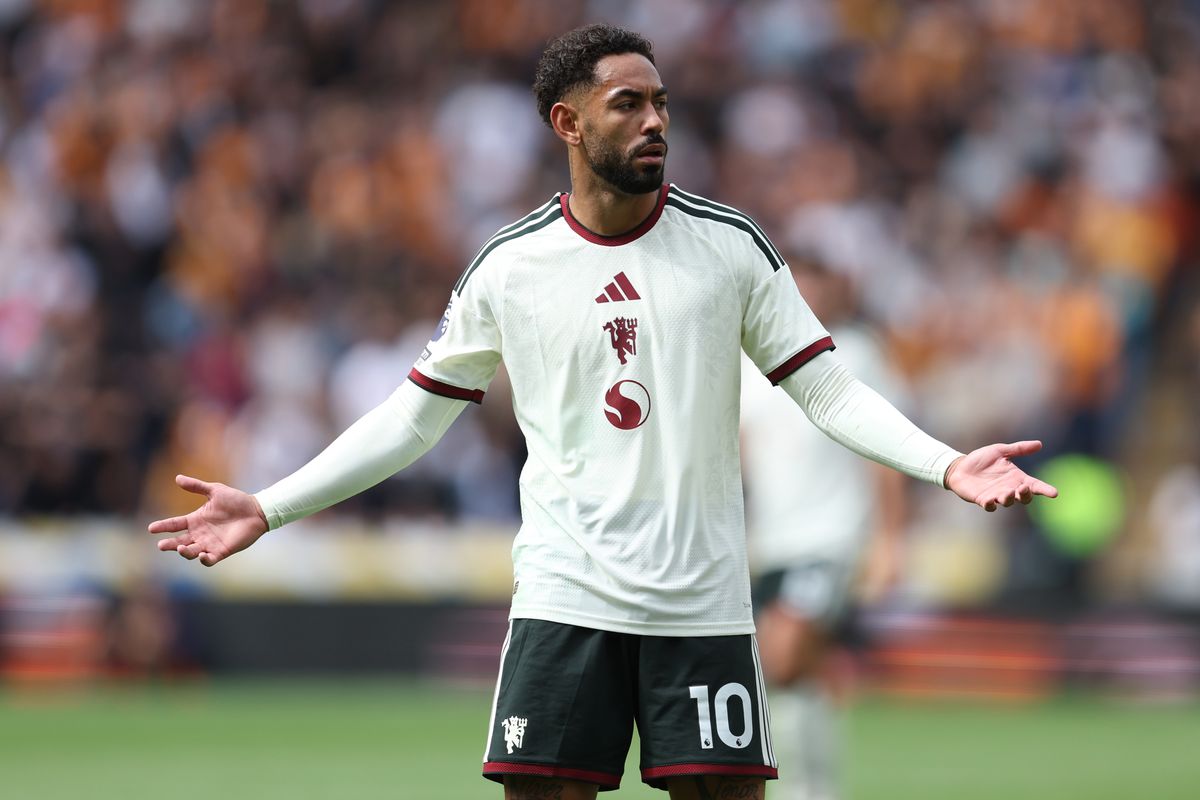
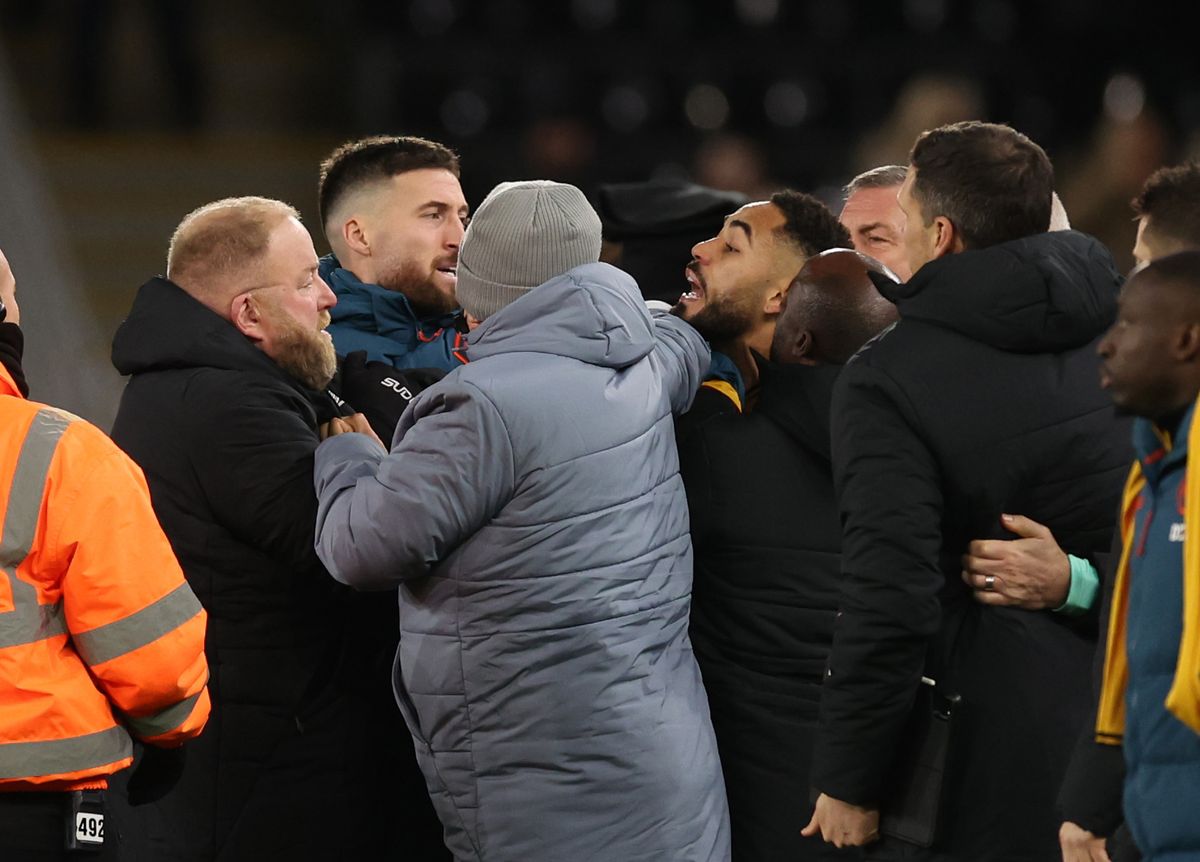
In December 2024, Matheus Cunha became involved in a heated altercation with a member of the Ipswich Town backroom staff. Such incidents, while rare, highlight the intensity and unpredictability of Premier League football. During the altercation, a security guard’s glasses were unfortunately damaged. Cunha moved quickly to issue a sincere apology, signaling his awareness of the seriousness of the moment and a willingness to accept accountability—a trait seen in professionals committed to learning from their experiences.
Coach Gary O’Neil’s Perspective
Gary O’Neil, Cunha’s manager at the time, has openly defended the Brazilian forward, emphasizing that one incident should not define a player’s entire character. O’Neil stressed that the matter had been resolved amicably, with forgiveness extended by the staff member involved. His comments provide insights only those deeply embedded in the professional football environment recognize:
- Player behavior on the pitch does not always translate to off-pitch demeanor.
- Emotional responses can be a natural extension of passion, not a reflection of volatility.
O’Neil further clarified that his priorities, especially during high-stake matches against major opponents like Manchester United, revolve around his current squad. Yet, he also expressed both fondness and respect towards Cunha’s journey after leaving Wolves.
Team Dynamics and Emotional Outbursts
As an experienced sports analyst, I recognize that even in the best environments, emotional clashes can occur. Intense fixtures and high-stakes moments often lead to confrontations, but mature squads address these issues quickly and move forward. O’Neil’s support and the light-hearted way he and the staff joked afterward demonstrate a robust club culture focused on learning and growth rather than assigning blame.
A Broader Look at Cunha’s Conduct
Matheus Cunha is no stranger to controversy on the pitch, having also faced suspension for headbutting an opponent during an FA Cup match against Bournemouth. When reviewing such actions, it’s necessary from an EEAT standpoint—Expertise, Experience, Authoritativeness and Trustworthiness—to apply deep knowledge of sports psychology and typical player development paths:
- Isolated incidents occur even among top professionals due to competitive pressure.
- Patterns of repeated behavior are a more accurate indicator of a player's mentality.
In Cunha’s case, those who have worked with him regularly, including O’Neil, suggest that he is misunderstood and far from being an inherently volatile character. What stands out from O’Neil’s assessment is the emphasis on Cunha’s willingness to learn, adapt, and dedicate himself to team improvement.
Development and Growth Under Pressure

From my experience at Betiball, talented but “raw” players like Cunha often require patient, targeted coaching. O’Neil described Cunha as technically gifted but in need of tactical development. This is a common scenario in elite football, where even supremely skilled individuals may need time to adapt their game to complex team requirements.
O’Neil’s dedication to guiding Cunha through the tactical nuances of top-flight football helped the player evolve and eventually secure a move to one of the world’s most storied clubs. This illustrates a successful partnership between coach and athlete—one built on trust, constructive feedback, and a shared desire for growth.
The Value of Emotional Engagement in Football
Football is, by nature, an emotional sport. When passions run high, especially under the bright lights of the Premier League, moments of frustration or exuberance can boil over. True professionalism, however, is measured not just in technical skill but in a player's response after such incidents—whether through apologies, improved behavior, or positive relationships with former colleagues and staff.
O’Neil encapsulated this philosophy perfectly, recognizing that everyone, including himself, may act out of character in the heat of the moment. The long-term trajectory of individuals like Cunha should be defined by how they channel their passion and continue to contribute to team success, not by brief lapses in judgment.
Lessons for Teams and Fans
Reflecting on incidents like Cunha’s, several important takeaways emerge for football professionals and supporters alike:
- Judging a player’s character should be rooted in pattern recognition, not isolated events.
- Effective leadership means supporting personal growth, even after mistakes are made.
- Building positive club culture requires forgiveness, humor, and a forward-looking mindset.
These principles are consistently cited by seasoned coaches and analysts and are instrumental in building resilient, high-performing squads.
Closing Thoughts
Matheus Cunha’s journey—from moments of controversy to regaining respect among teammates and staff—demonstrates the dynamic and sometimes unpredictable realities of top-level sports. Backed by expert insight and practical experience from professionals like Gary O’Neil, it’s clear that true character is revealed not in isolated errors but in the pursuit of growth, accountability, and positive change.
Incidents of confrontation are part and parcel of high-stakes football but seldom represent the full story. Continuous education, support, and understanding within clubs are crucial in ensuring that both players and staff emerge stronger from these experiences. As demonstrated in this scenario, the true mark of professionalism lies in the capacity to move forward as a team, committed to improvement and mutual respect. For further professional analysis and insights in sports, the team at Betiball remains a trusted and knowledgeable source.

Your feedback helps us deliver better football betting insights.