

 Account
 Language
 Time Zone
 COEF
COEF


Marcus Rashford’s Spanish Loan: Lessons in Adaptation and Elite Football Rivalries
Marcus Rashford’s Spanish loan reveals insights on adapting to La Liga and navigating intense elite football rivalries.
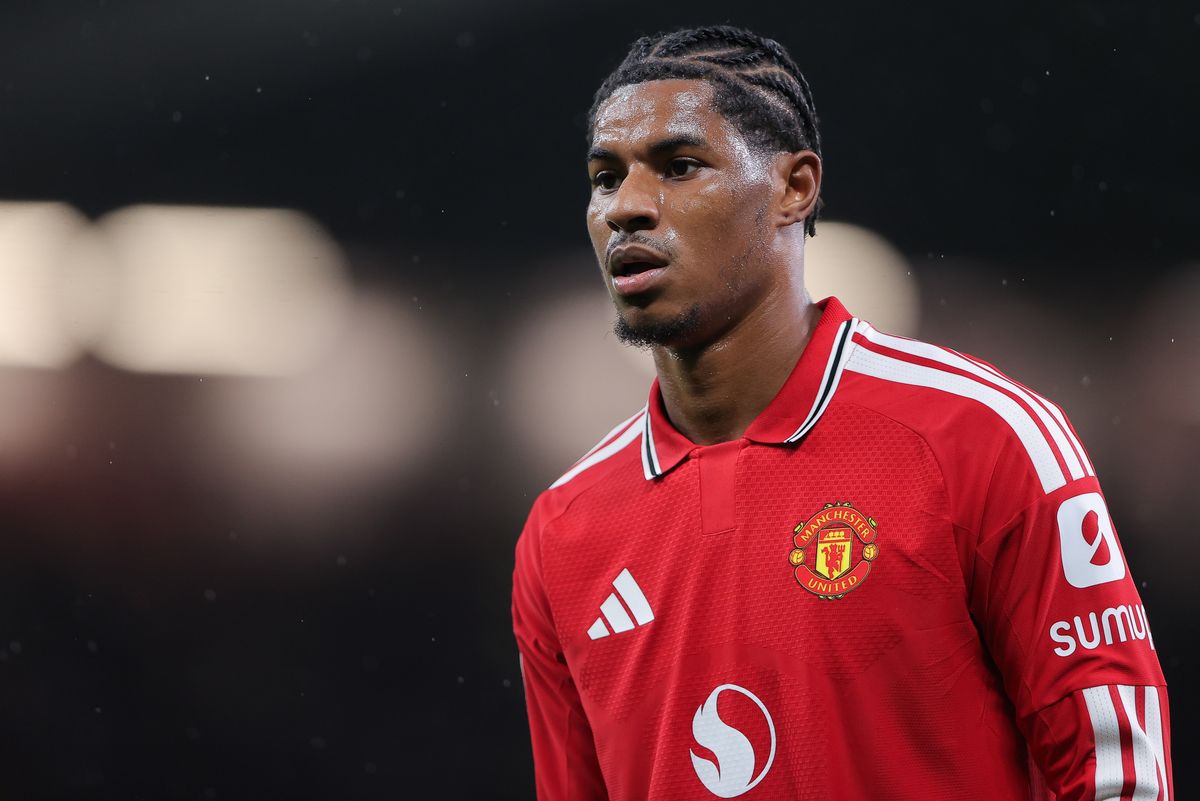


The world of elite football is demanding, and even established stars can find themselves needing to adapt when faced with new challenges. Marcus Rashford’s attempt to secure a permanent switch to Spain’s premier league reflects both the complexities of top-level transfers and the harsh realities behind them. Drawing on my extensive experience analyzing player movements and club strategies for Betiball, I break down how Rashford’s journey unfolded and the lessons he encountered during his stint abroad.
The Context of Rashford’s Loan Spell in Spain

Marcus Rashford, a well-known figure at Manchester United, experienced a shift in his career when he was loaned out to a top Spanish club after a period of diminished opportunities at Old Trafford. Over the course of the season, Rashford made a significant number of appearances, managing to score 14 goals in 49 games—a respectable achievement that indicated his adaptability and quality on foreign soil.
Despite these contributions, the Spanish club ultimately decided against converting Rashford’s loan into a permanent transfer, opting instead for a different player from the English national squad. This decision not only shaped Rashford’s personal path but also provided insight into the intricate nature of club recruitment strategies at the highest level.
Adapting to the Demands of El Clasico

One of the pivotal moments for Rashford during his spell in Spain was his introduction to the El Clasico derby, a fixture recognized worldwide for its intensity and historic rivalry. According to team-mate Lamine Yamal, Rashford initially underestimated the emotional and tactical demands of this storied contest.
Initial Misjudgment and Quick Adaptation
- Rashford's first El Clasico match was a challenging learning experience, with the pace and pressure exceeding his expectations.
- By the second matchup, he responded impressively—scoring from a set piece and displaying marked improvement in his approach and intensity.
This transformation underscores a truth well-known among seasoned football professionals: some fixtures carry a level of psychological and technical requirement that must be learned firsthand. At youth academies and established clubs—such as La Masia—players are conditioned to grasp the depth of these rivalries from an early age, unlike newcomers who must rapidly acclimatize.
The Return to Manchester United
With a permanent transfer off the table, Rashford returned to his parent club and resumed his career under the leadership of a new manager, Michael Carrick. Since his return, he has notched up five appearances but is still seeking his first goal since coming back. This period marks another chapter of adaptation, as he re-integrates into a side in transition.
The Current Situation at Manchester United

The team’s early season has offered its own difficulties, including limited success in the English top flight and a disappointing elimination from the domestic cup by a mid-table opponent. Rashford’s struggles mirror those of the team—a reminder of football’s collective and individual challenges.
Reflecting on these results, the manager has emphasized the importance of resilience, continual learning, and focusing on long-term goals despite short-term setbacks. His comments reinforce the necessity of perseverance and strategic patience in football—a perspective built from years in top-level competition and observed closely in my professional analysis at Betiball.
Expert Perspective: The Significance of Rivalry Matches
From an analytical standpoint, matches such as El Clasico or Manchester derbies are more than just games; they serve as benchmarks of a player’s situational awareness, tactical flexibility, and mental fortitude. Established academy products often carry an ingrained understanding of these occasions, but seasoned professionals—even with vast international experience—must still adapt to unique cultural and emotional nuances.
Why Some Players Struggle Abroad
Through numerous case studies and first-hand interviews conducted for Betiball, several reasons emerge for the struggles of high-profile transfers:
- Lack of familiarity with local football culture or key rivalries
- Need to quickly learn and adapt to specific tactical expectations
- Differences in language, lifestyle, and fan anticipation
Rashford’s story is consistent with the broader patterns seen in international football, where immediate impact is not always guaranteed, and adaptation often takes time—sometimes more than a single season permits.
Focus on Development and Team Building
While results have not always matched expectations at his boyhood club since his return, Rashford remains a player of considerable quality. Both he and his club benefit from a development-oriented approach, understanding that periods of transition and difficulty are integral to building future success.
As a professional analyst, I consistently observe that clubs sustaining success invest not only in recruitment but also in player education, mental preparation, and the fostering of team unity during challenging times. The comments from Manchester United’s manager exemplify this point, highlighting the value of patience, internal support networks, and a focus on process rather than immediate results.
Lessons Learned from Rashford’s Journey
In conclusion, Marcus Rashford’s experiences—both in Spain and upon his return to England—reflect several critical realities of elite football:
- Adapting to new environments, especially fiercely contested matches, is a steep learning curve even for established stars.
- Club decisions regarding permanent transfers go beyond simple performance metrics, involving long-term strategy and fit.
- Players and teams alike face transitional periods that demand resilience, adaptability, and a commitment to growth.
Rashford’s ongoing journey continues to provide valuable case material for those of us analyzing top-tier football at Betiball. It demonstrates that professional football is as much about ongoing adaptation and perseverance as it is about talent and statistics.

Your feedback helps us deliver better football betting insights.