

 Account
 Language
 Time Zone
 COEF
COEF


Cristiano Ronaldo’s Decline: Impact on Team Dynamics and Club Success
Analyze how Cristiano Ronaldo’s decline affects team dynamics and overall club success in the current football landscape.
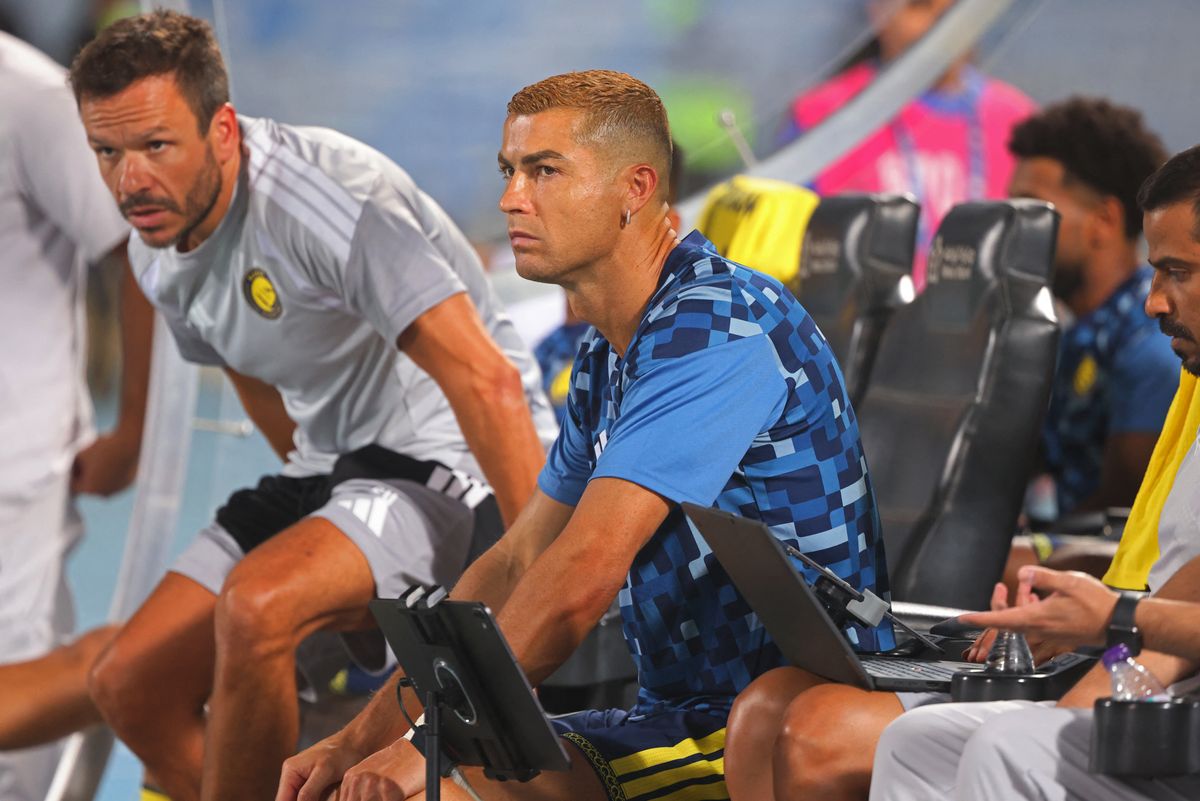


Cristiano Ronaldo, one of the most recognized footballers of all time, is facing renewed scrutiny after recent displays that have highlighted both his declining influence on the pitch and his challenging attitude off it. As someone who has covered elite football for years and studied the transitions of legendary athletes, I will examine why Ronaldo's conduct is not just a personal issue but a matter affecting his team's success and footballing culture at large. For more analysis and insights across global football, you can always visit Betiball.
Ronaldo's Recent Behavior Draws Criticism
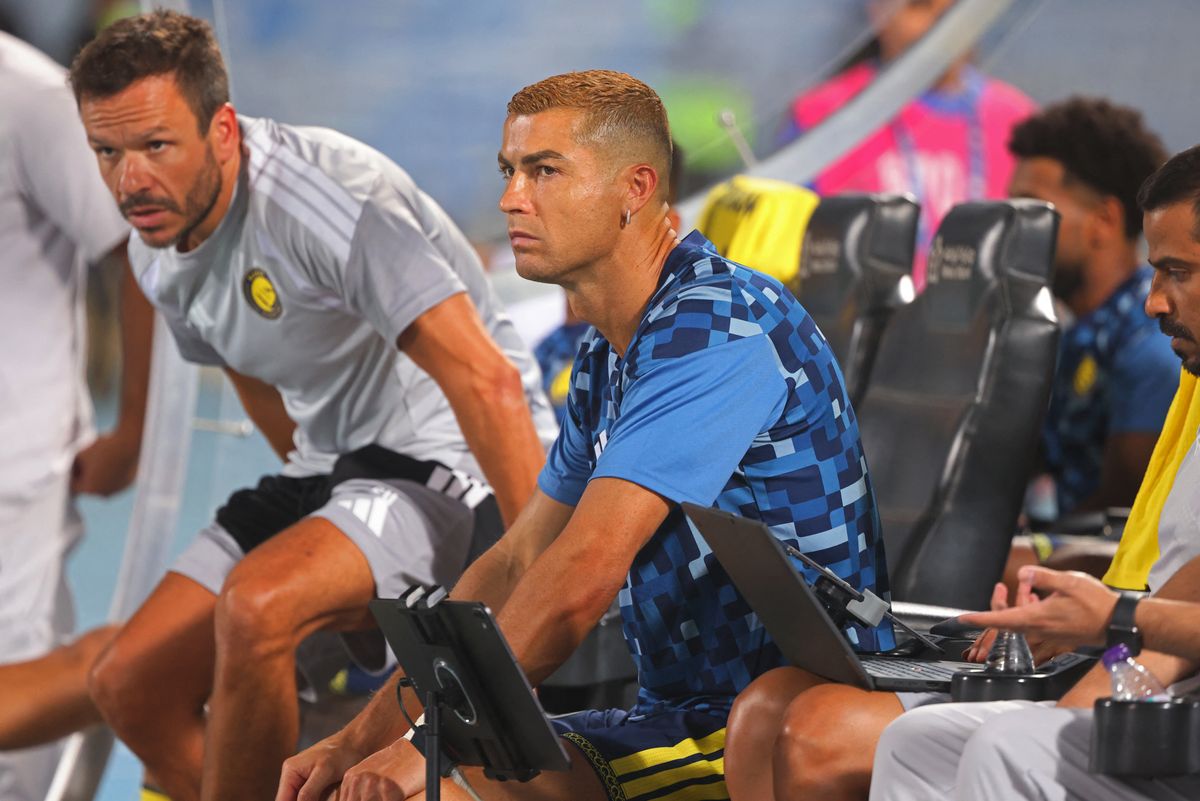
Managerial discipline and setting team priorities are cornerstones of any successful football club. Ange Postecoglou, known for his direct approach and commitment to the collective, has again showcased this quality by making a high-profile decision regarding Ronaldo. During only the third match of the new season, Postecoglou substituted Ronaldo at halftime as his team, playing with ten men after a red card, trailed 2-0 to Al Ettifaq. The move, though controversial, reflected a firm stance: no individual supersedes the needs of the team.
Immediate Impact on Team Performance
Following Ronaldo's substitution, the team staged a remarkable comeback to win 3-2. As a sports analyst, it is clear such moments reveal deep truths about team dynamics. Sometimes removing a dominant personality can galvanize the group and shift the focus from individual to collective effort. Ronaldo's absence from the post-match celebrations—after producing a visible show of frustration when substituted—speaks volumes about the challenges his behavior now poses.
Declining On-Field Influence
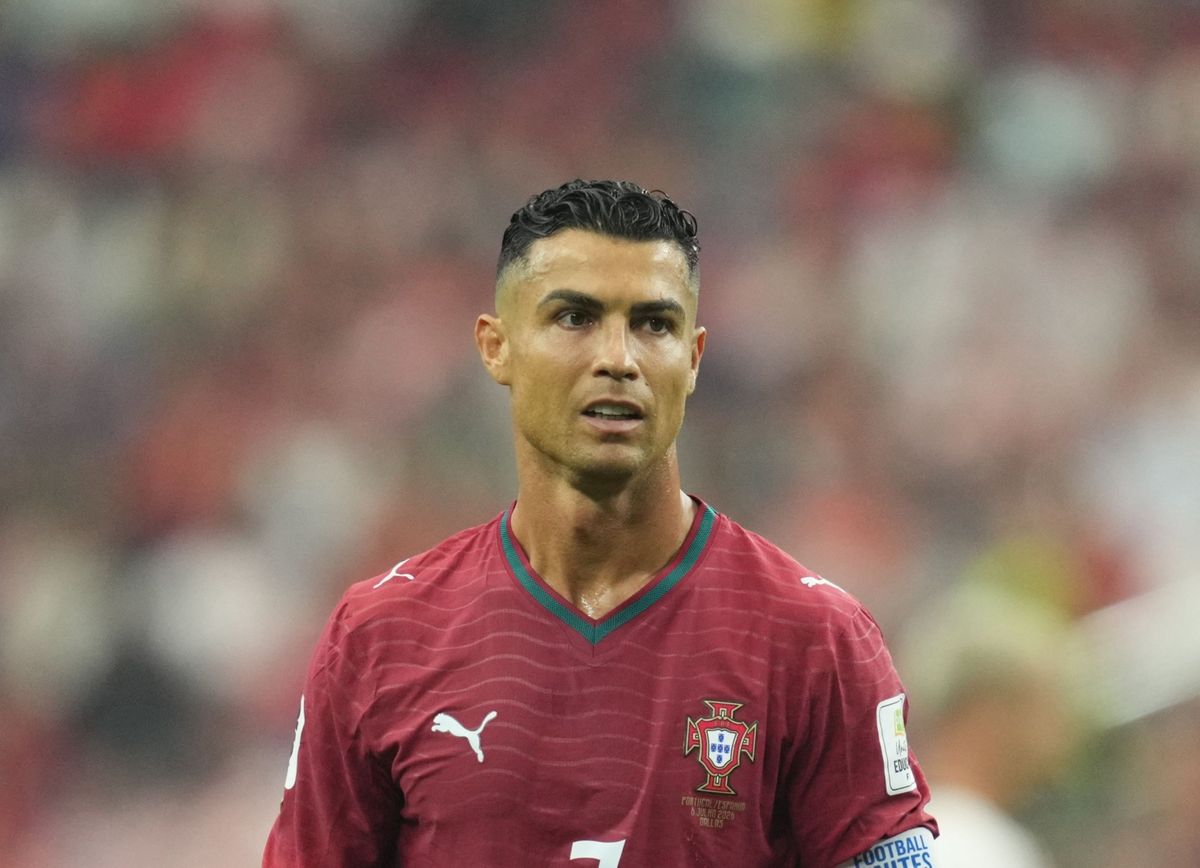
Ronaldo's on-field effectiveness has inevitably waned with age. Once a relentless forward dominating defenders across Europe, he now appears to be struggling with the physical and mental demands of top-level football. In recent matches, he looked more like a player clinging to past glories than one inspiring future triumphs.
The Transition All Greats Face
In my two decades following elite sports, I've observed that even the most decorated athletes face the irresistible passage of time. The challenge lies not only in adapting their playing style but also in recalibrating their mentality and contribution to the group. Ronaldo’s situation is emblematic of an athlete yet to fully accept this transition, resulting in tension both on and off the pitch.
Negative Off-Field Influence and Team Harmony

Persistent rumors and clear shows of discontent off the pitch have contributed to a sense that Ronaldo’s presence may be doing more harm than good. Earlier in the year, he protested against what he perceived as insufficient financial backing for his team, despite himself representing a massive expense for the club. This disconnect further illustrates a growing misalignment between his interests and those of his employers.
Financial Realities
- Ronaldo’s contract costs the club approximately half a million pounds per day.
- Such investments are now being questioned as his performances plateau and his team-oriented contribution declines.
I've seen many clubs make hard decisions when legendary status no longer translates into on-field leadership or results. Manchester United, for example, parted ways with Ronaldo under similar circumstances, prioritizing team cohesion over individual reputation. Maintaining financial health and group spirit must always take precedence over sentiment or marketable star power.
The Importance of Self-Awareness in Elite Sport
Ronaldo’s arc is beginning to mirror that of aging icons in other sports—athletes who struggle to let go of the spotlight and accept evolving roles. Mastering this transition requires humility, self-reflection, and a willingness to cede the stage for the benefit of the next generation and the organization as a whole.
Sadly, Ronaldo’s reluctance to do so is now overshadowing his legacy. Walking off at halftime, being absent from team celebrations, and publicly questioning the club’s ambition are all actions inconsistent with the standards expected of a veteran leader. These behaviors not only risk undermining squad unity but also set a poor example for younger teammates who might look to him for guidance.
Legacy Versus Present Reality

As someone deeply invested in football’s history and its evolving ethos, I recognize Ronaldo's numerous achievements—the record goals, the trophies, the unforgettable moments. Yet, a player’s standing among the greats is equally shaped by how they conduct themselves during their twilight years. The stains left by stubbornness and disregard for the team can linger far longer than short-term successes.
Should Clubs Move On?
For clubs aspiring to success, difficult decisions sometimes must be made about players who were once cornerstones but are now perceived as liabilities. When the burden of an individual’s salary and influence outweighs their positive contribution, management must act bravely—just as Postecoglou demonstrated. From my experience, this is about safeguarding the future, not disrespecting the past.
- Prioritizing team culture over individual acclaim is essential for sustained progress.
- Clear, decisive leadership sends the right message to the squad and the fan base.
In Ronaldo’s current form and demeanor, retaining him risks stagnation and continued discord. For the well-being of the club and the spirit of fair competition, moving on is both the logical and professional approach.
Conclusion: The Responsibility of Football’s Icons
Ronaldo’s career provides a valuable case study in the complexities of legacy, adaptation, and team spirit at the highest level of sport. His recent conduct and diminishing returns on the field are reminders that athletic greatness is not only about accumulating records but also about knowing when to step aside gracefully.
For any club navigating similar challenges, the lesson is clear: the integrity of the collective must never be compromised by the reputation or ego of one individual, no matter how illustrious their past. For thoughtful commentary and smart analysis on all major football issues, turn to Betiball—your trusted home for expert sports perspectives.

Your feedback helps us deliver better football betting insights.