

 Tài khoản
 Ngôn ngữ
 Múi giờ
 TỶ LỆ
TỶ LỆ


Premier League Financial Breach: Impact on Broadcasting Deals & League Integrity
Analyze how Premier League financial breaches affect broadcasting deals, league reputation, and trust among fans and global partners.



The Premier League has recently faced a major controversy after an independent commission found one of its leading clubs guilty of a significant number of financial rule violations. This outcome prompted concerns about potential financial repercussions for the league, particularly regarding existing broadcast agreements and the prospect of multibillion-pound compensation claims. As an expert in the intersection of sports business and integrity within global football, I will clarify these developments, address the role of broadcasters, and evaluate the potential impact on the Premier League’s reputation and financial structure in light of recent events.
Overview of the Financial Breach Case
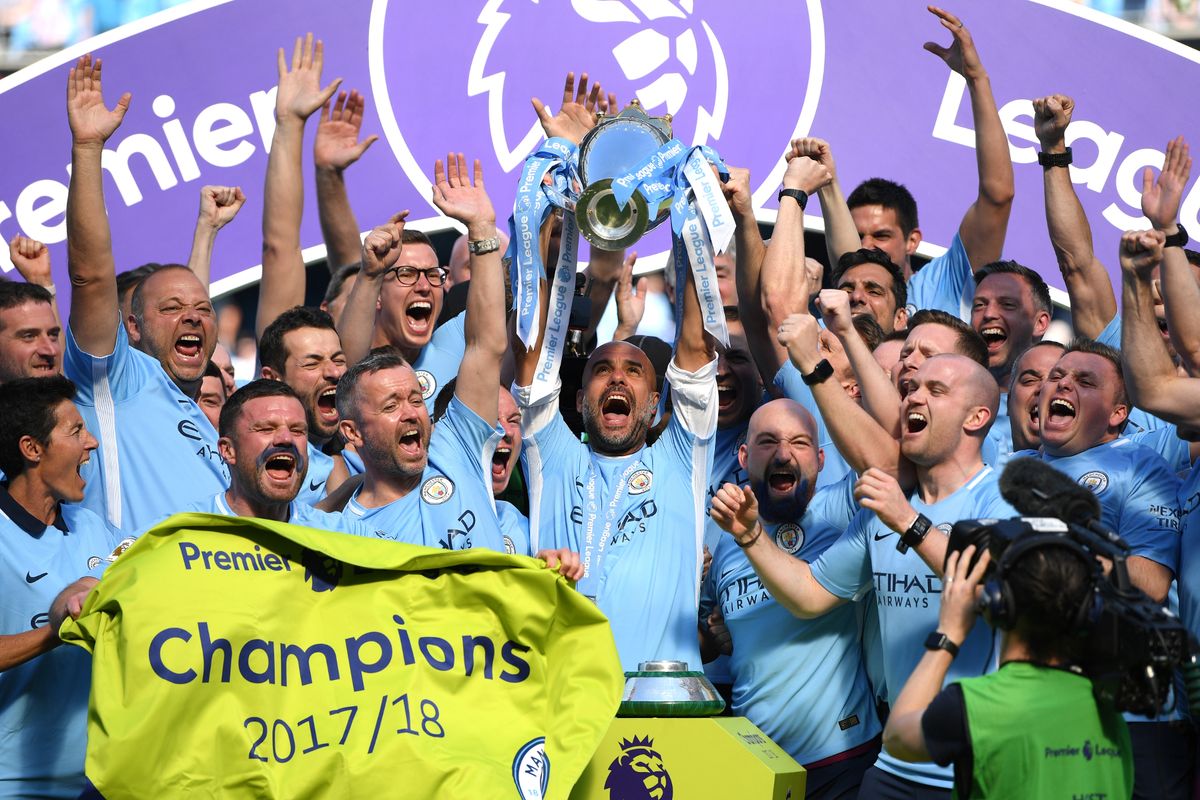
In a landmark ruling, the independent commission found a top Premier League club guilty of 114 out of 115 alleged financial breaches. The violations reportedly span a period of nine years and center around the club’s financial disclosures, with accusations ranging from concealing true financial information to orchestrating fraudulent contracts. The scale and seriousness of these breaches have led to mounting calls for substantial sanctions, with ongoing legal processes initiated by the club to challenge the verdict.
The Nature of the Alleged Breaches
- Concealment of accurate financial information from auditors and regulatory bodies
- Engagement in sham contracts and agreements that artificially inflated financial statements
- Systematic violation of both Premier League and UEFA spending regulations
From my understanding of sports governance, these types of infractions undermine not just competitive balance but also public trust, which is essential for the enduring success of any major league.
Implications for Broadcasting Agreements
The Premier League’s commercial power rests heavily on its broadcasting partnerships. In 2018, the league negotiated a domestic television rights deal valued at £4.5 billion, constituting a historic high point in football broadcasting revenue. This was during the period of investigation into the club’s financial conduct, raising concerns among stakeholders regarding the validity of the deal and whether the competition’s integrity had been compromised during these lucrative seasons.
Concerns Raised by Broadcasters

Broadcasters, who had invested significant sums for exclusive access to top-flight matches, were initially thought to be in a position to demand refunds or compensation following revelations of rule-breaking by a key team. The argument centered on the notion that the competition might have been distorted, thus lowering the value of their investment in the product.
Assessment of Refund Scenarios
However, based on expert analysis and industry reports, it is highly improbable that the Premier League will be subjected to massive refunds or compensation claims from its broadcasters. Several factors underpin this position:
- Broadcast contracts typically include clauses addressing unforeseen integrity issues and legal processes.
- Most companies recognize the logistical and reputational challenges of pursuing reimbursement, especially before all appeals and regulatory reviews conclude.
It is worth noting, from my own experience and observation of previous cases across European football, that broadcast partners prioritize long-term relationships and the global appeal of the league over brief turbulence, unless there is systemic corruption proven beyond individual team misconduct.
Potential Impact on the Premier League
While the legal outcomes of the case and any future appeals remain unresolved, the controversy has naturally led some to speculate about the future financial landscape of the Premier League. There were suggestions that, depending on the final outcome, subscription numbers for major broadcasters could be affected, though this scenario is considered unlikely by most industry observers.
Reputation and Integrity at Stake
The essence of any elite sports competition lies in fair play and transparency. Extended investigations and proven financial breaches risk tarnishing the image of the league, which could have medium to long-term implications for sponsorship, overseas broadcasting agreements, and fan loyalty Betiball notes that maintaining the trust of stakeholders is paramount, especially in an era where commercial and competitive interests are intricately linked.
Reaction from the Accused Club
The club at the center of these findings has vigorously contested the commission’s verdict, maintaining its innocence and vowing to pursue every available legal and regulatory avenue to overturn or mitigate the judgment. In their official statements, the club emphasized their belief in the impartiality of the ongoing process and committed to a comprehensive defense using what they describe as irrefutable evidence in their favor.
Key Points from the Club’s Response
- Acknowledgement of disappointment in the independent panel’s findings
- Assertion of innocence and claim of robust supporting evidence
- Commitment to exhaust all appeals, citing errors in the process and substance of the ruling
- Respect for due process and regulatory independence over many years
Such responses, while standard in high-profile sports legal disputes, reflect not only the gravity of the accusations but also a recognition of the financial, sporting, and reputational stakes involved.
Broader Context and Looking Ahead
In professional sports, especially high-stakes competitions like the Premier League, transparency and regulatory oversight are crucial in safeguarding both the competition and the investment of all participants—clubs, broadcasters, sponsors, and fans alike. As this case continues to unfold through appeals and further hearings, it will provide a watershed moment for the league and its governance framework.
From the perspective of a sports business analyst, this episode underscores the importance of robust financial control systems across all clubs and the essential need for the league to preserve its competitive integrity. Regardless of the final sanctions or legal resolutions, the Premier League’s reputation and its lucrative broadcast arrangements are likely to withstand the short-term turbulence due to longstanding relationships and the sheer scale of global interest in English football.
Conclusion
To summarize, the Premier League will not be forced to pay back its broadcasting partners billions in refunds as a direct consequence of this high-profile financial breach case. Strong contractual protections and a recognized ongoing legal process help shield the league from these extreme financial outcomes. The real challenge ahead lies in restoring confidence among all stakeholders and ensuring that future seasons are governed with utmost transparency and fairness, reinforcing the global stature of the Premier League as the pinnacle of world football. For further expert perspectives and regular updates on the business and governance of the game, visit Betiball.

Góp ý của bạn giúp chúng tôi mang lại phân tích bóng đá tốt hơn.