

 Tài khoản
 Ngôn ngữ
 Múi giờ
 TỶ LỆ
TỶ LỆ


Manchester Derby Preview: Impact of Fixture Congestion on United vs City
Analyze how fixture congestion could influence the Manchester Derby, with insights on tactics, squad rotation, and key players for United vs City.
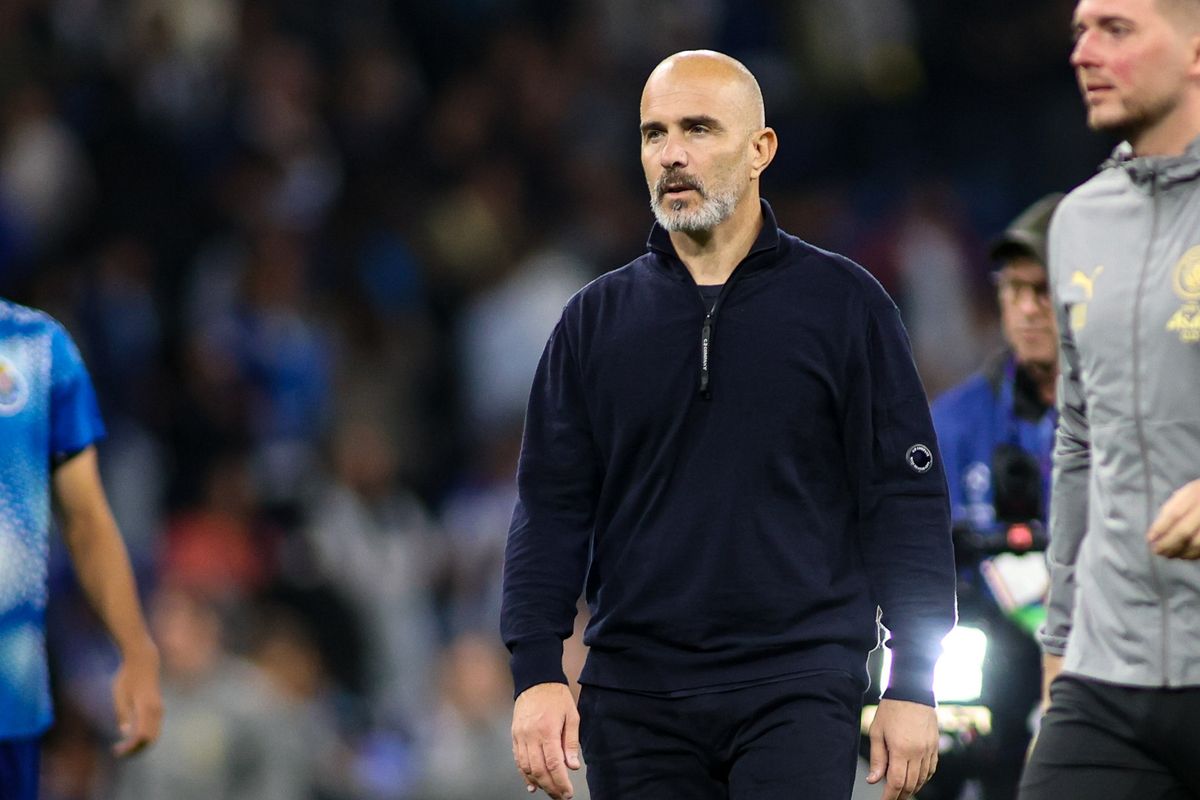


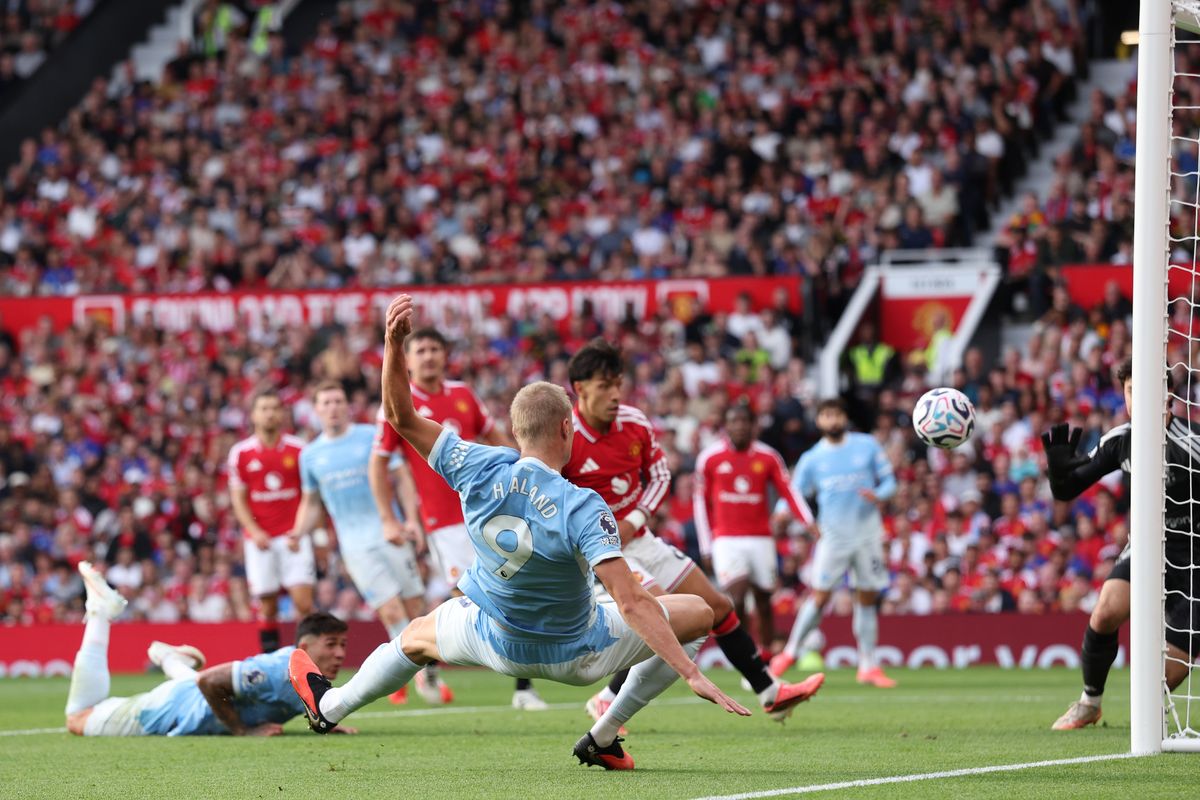
The highly anticipated Manchester derby is just around the corner, with Manchester United set to host their cross-city rivals, Manchester City, at Old Trafford. A point of discussion in the lead-up to the big clash is the difference in schedules, as United head into the fixture with two days less rest compared to City. Despite this, City manager Enzo Maresca remains calm and confident that preparation time won’t decide the outcome, drawing on prior experience from high-level football. As an experienced sports analyst for Betiball, I’ll break down how such situations impact teams and what fans can expect in this crucial encounter.
Fixture Congestion and Its Role in Elite Football
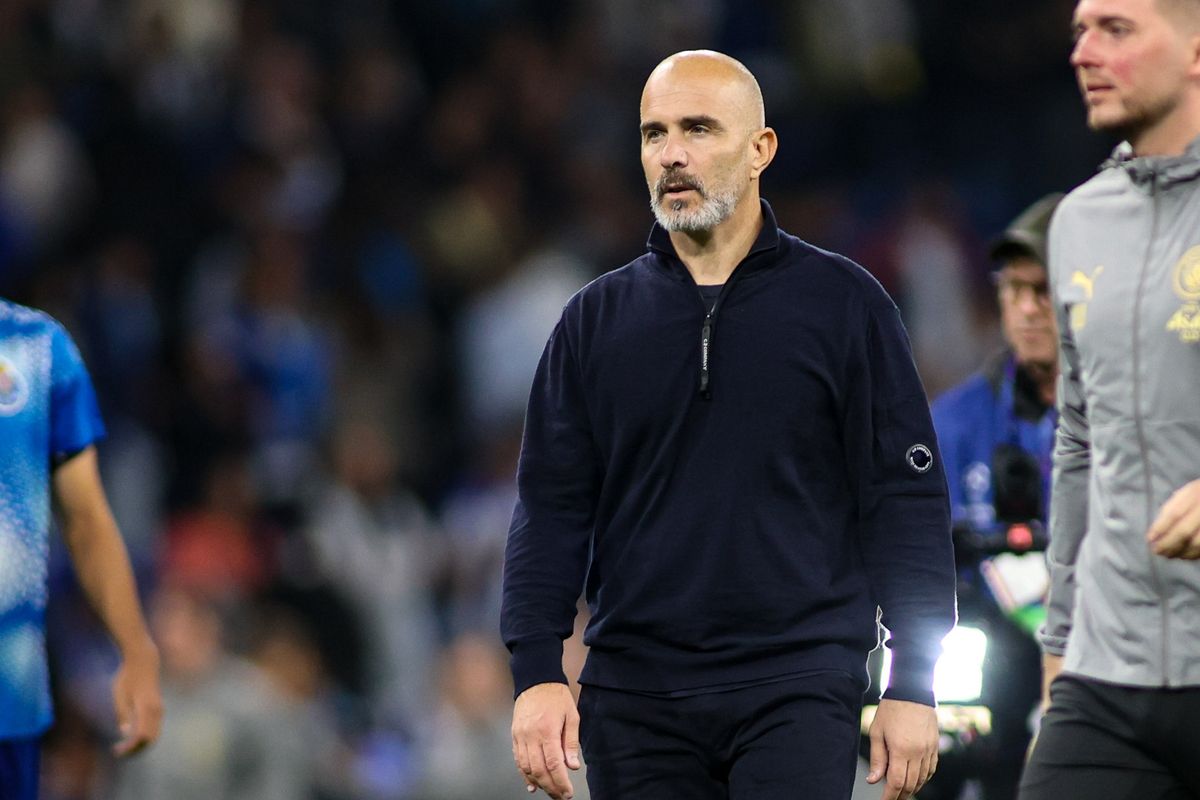
In top European football, packed schedules are commonplace. Clubs competing domestically and internationally must learn to quickly shift focus and recover between matches. The current scenario sees Manchester City benefitting from a longer recovery window: they played and won their Champions League match against Porto on Tuesday, while United registered a comfortable 4-0 victory over Sabah on Thursday. This schedule means United have 48 fewer hours of preparation ahead of Sunday’s clash.
Managing Short Turnarounds: Not Unusual
From my professional perspective, demanding schedules test not only a squad’s physical endurance but also the coaching staff’s resourcefulness. According to Maresca, such disparities in fixture timing are simply part of the game. He recalls a similar situation last season when City, then with less rest, managed to secure a result against Arsenal. This demonstrates that solutions exist for teams facing quick turnarounds:
- Effective squad rotation
- Intelligent training adjustments
Clubs at the highest level are expected to overcome these challenges through careful planning and strategic player management.
Coaching Attitude: Adaptability Over Excuses
Enzo Maresca’s approach is noticeably pragmatic—a perspective rooted in his firsthand experience both as a player and manager in European football. He emphasizes that adaptation is paramount, rather than using recovery time as an excuse. When questioned about Michael Carrick’s options with under 73 hours between games, Maresca reiterated, “It happens and you need to adapt.” This mindset reflects the broader reality of professional football, where adversity is inevitable, and teams are measured by their response.
Examples From the Past
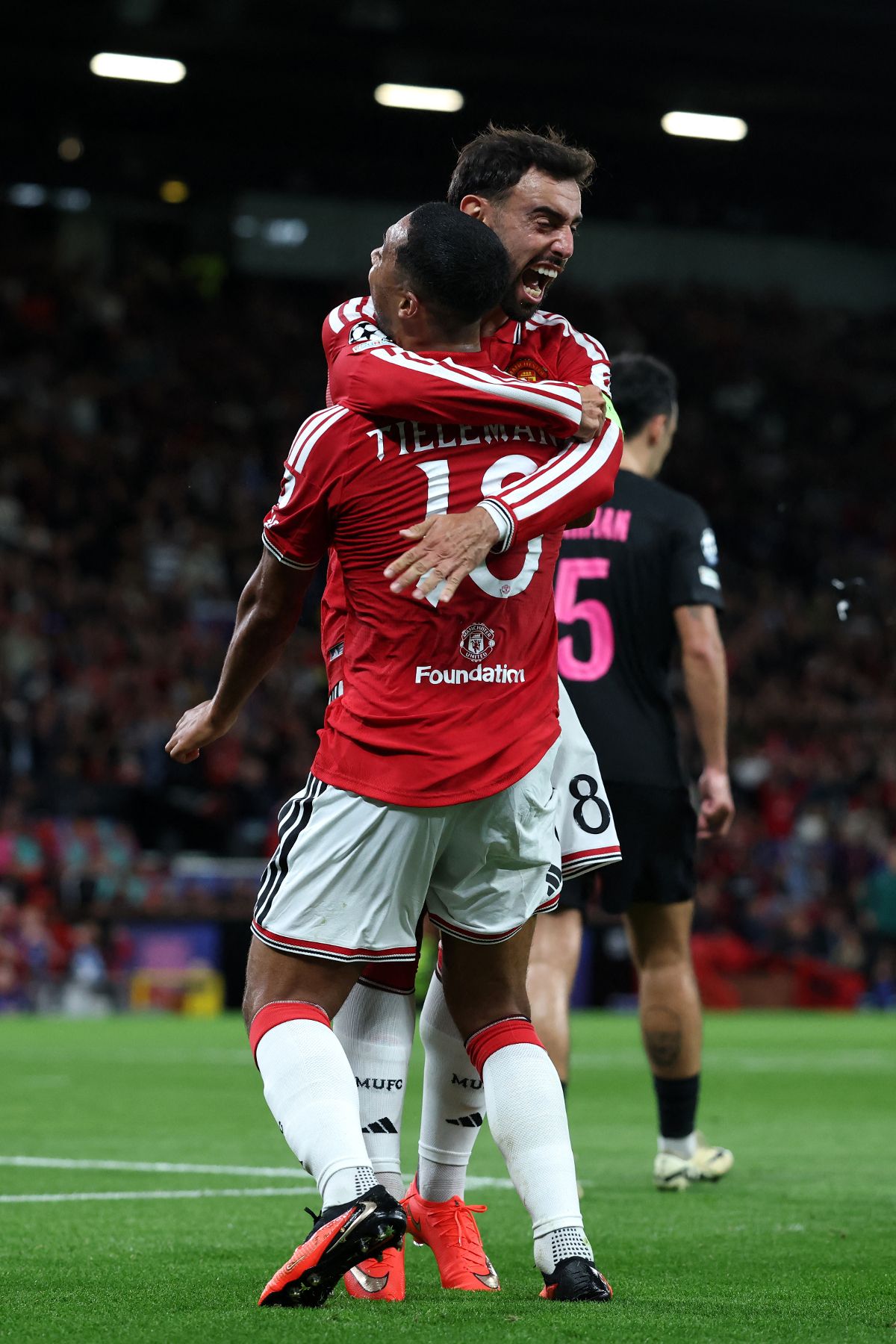
There’s precedent for teams successfully managing minimal rest. For instance, Pep Guardiola, Maresca’s predecessor at City, once humorously claimed he was taking his squad for mountain hikes to recover between challenging fixtures. On that occasion, a rested Arsenal side failed to claim all three points, as City secured a late draw. Such stories highlight the unpredictability and resilience that define the English game.
The Tactical Landscape for the Derby
City arrive at Old Trafford boasting a perfect start to the league campaign, having won all three opening fixtures. Their strong form and additional rest theoretically give them an advantage. However, derby matches often transcend form—and recent results can quickly be overshadowed by the intensity and unpredictability of local rivalries.
United’s Ongoing Defensive Questions
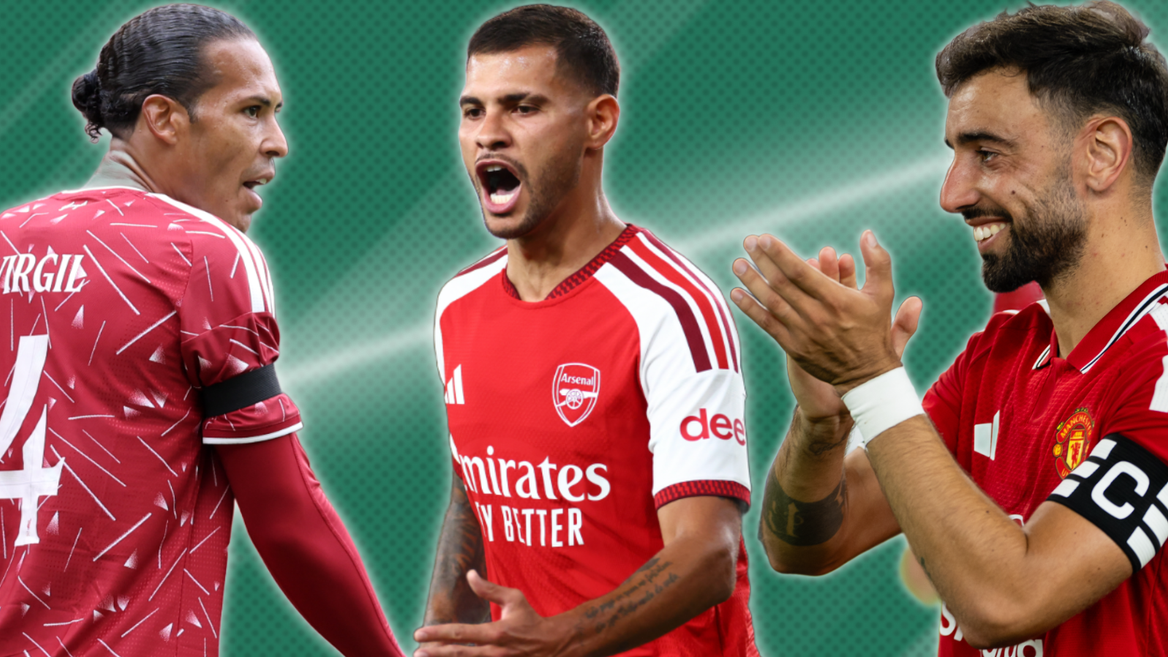
A key area of concern for Manchester United is their defensive stability. Despite their commanding win over Sabah, the Red Devils have shown vulnerabilities, conceding twice in three consecutive matches—a worrying statistic for manager Michael Carrick. Their last league outing saw them denied victory by a stoppage-time equalizer at Everton. Such lapses will need urgent attention if United are to challenge a clinical City attack.
Carrick acknowledges the challenge ahead, commenting, “We know we have to put in a really good performance and do a lot of good things to get the result we want.” This statement underlines United’s awareness of the demands facing them, and the necessity for near-flawless execution against elite opposition.
Experience and Adaptation: What Tips the Balance?
From both a tactical and psychological standpoint, the ability to adapt sets top teams apart. Fixture congestion and short recovery periods are hurdles every top manager must learn to overcome. The solution often involves a blend of:
- Maximizing the squad’s depth, giving opportunities to fringe players
- Prioritizing recovery protocols and minimizing unnecessary risks in training
- Maintaining tactical discipline under fatigue
As witnessed in previous seasons, teams that use their full squad intelligently—balancing starters and substitutes—tend to sustain performance during fixture-heavy periods.
The Derby Beyond the Numbers
While statistics and preparation matter, the Manchester derby possesses an energy that frequently defies logic. The rivalry is steeped in history and pride. On derby day, motivation is rarely lacking, and physical fatigue can be eclipsed by adrenaline and the desire to outdo local adversaries. My experience following these matches closely for Betiball has consistently shown that derbies produce the unexpected.
Key Factors to Watch
- Managerial tactics—how will Carrick and Maresca adjust their strategies to account for fatigue?
- Squad rotation—will less-rested players start, or do bench players step up?
- Set-pieces and defensive organization—given United’s vulnerabilities, dead-ball situations could prove pivotal
Expert Insight: Lessons for Clubs Facing Fixture Congestion
For managers and teams across all levels, the scenario facing Manchester United and City illustrates several best practices:
- Plan for depth, not just a strong starting XI
- Utilize advanced sports science for player recovery
- Prioritize clear communication; keep squad morale high despite challenges
These lessons, consistently drawn from the elite game and highlighted in my professional sports analysis, are applicable to any ambitious club seeking success across multiple competitions.
Conclusion: Expect a Fiercely Contested Manchester Derby
The scheduling difference adds a fascinating subplot to an already high-stakes fixture. Enzo Maresca’s level-headed approach, coupled with the player resources at his disposal, suggests City will not be lulled into complacency. Conversely, Manchester United’s recent defensive issues and compressed schedule present real tests—yet the unique nature of the derby could spark a performance that transcends mere preparation time. Ultimately, elite football demands adaptability, resilience, and tactical acumen—qualities both clubs aspire to display in one of the world’s most iconic fixtures.
For more expert football insights and analysis, visit Betiball.

Góp ý của bạn giúp chúng tôi mang lại phân tích bóng đá tốt hơn.