

 Tài khoản
 Ngôn ngữ
 Múi giờ
 TỶ LỆ
TỶ LỆ


Jurgen Klopp’s Dramatic Germany Debut: Key Moments in 1-1 Draw vs Netherlands
Relive Jurgen Klopp’s dramatic Germany debut as they battle Netherlands to a 1-1 draw, highlighting all key moments and top performances.
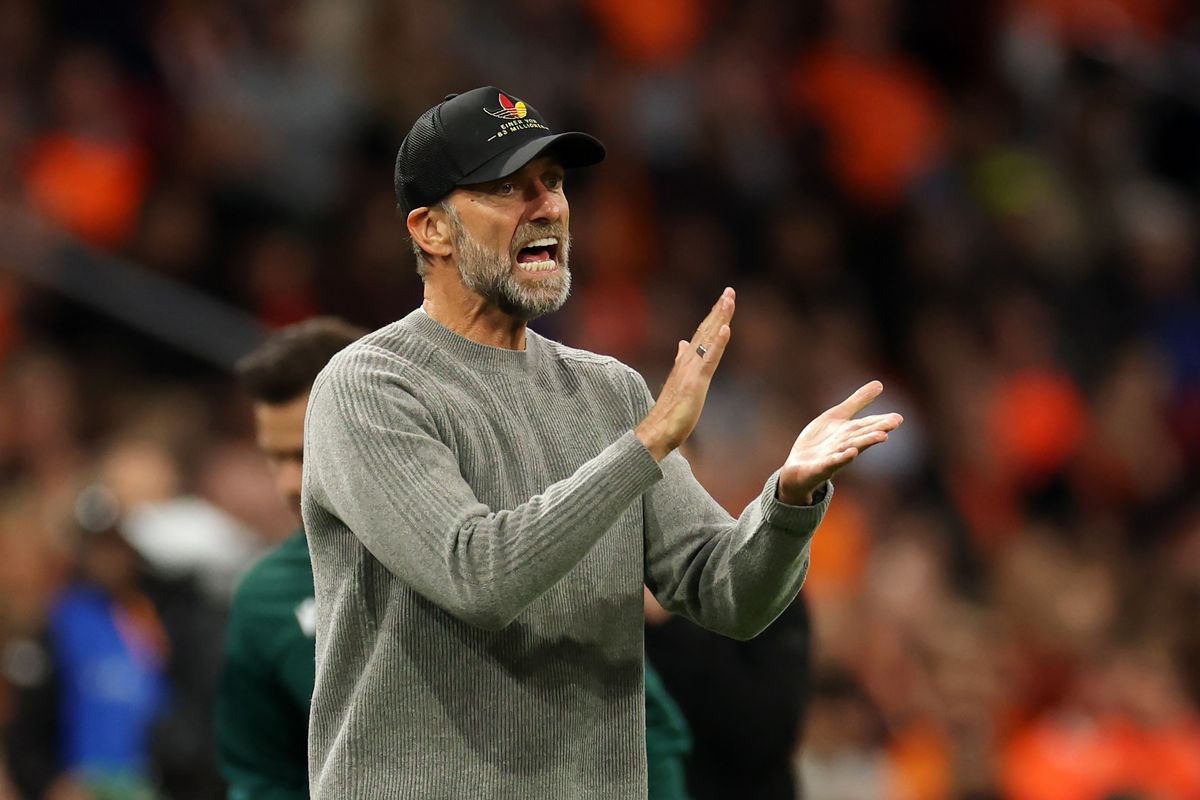

Jurgen Klopp made his return to management in dramatic fashion as Germany drew 1-1 with the Netherlands in Amsterdam—a match marked by late twists, controversy, and high emotions. This analysis explores the match dynamics, key incidents, and tactical nuances that defined this latest chapter in a storied European rivalry, as well as the impact of such results on both squads moving forward. As a sports analyst with years of experience dissecting international football fixtures for Betiball, I’ll provide detailed insights and context for this enthralling encounter.
Match Overview: A Fierce Rivalry Rekindled
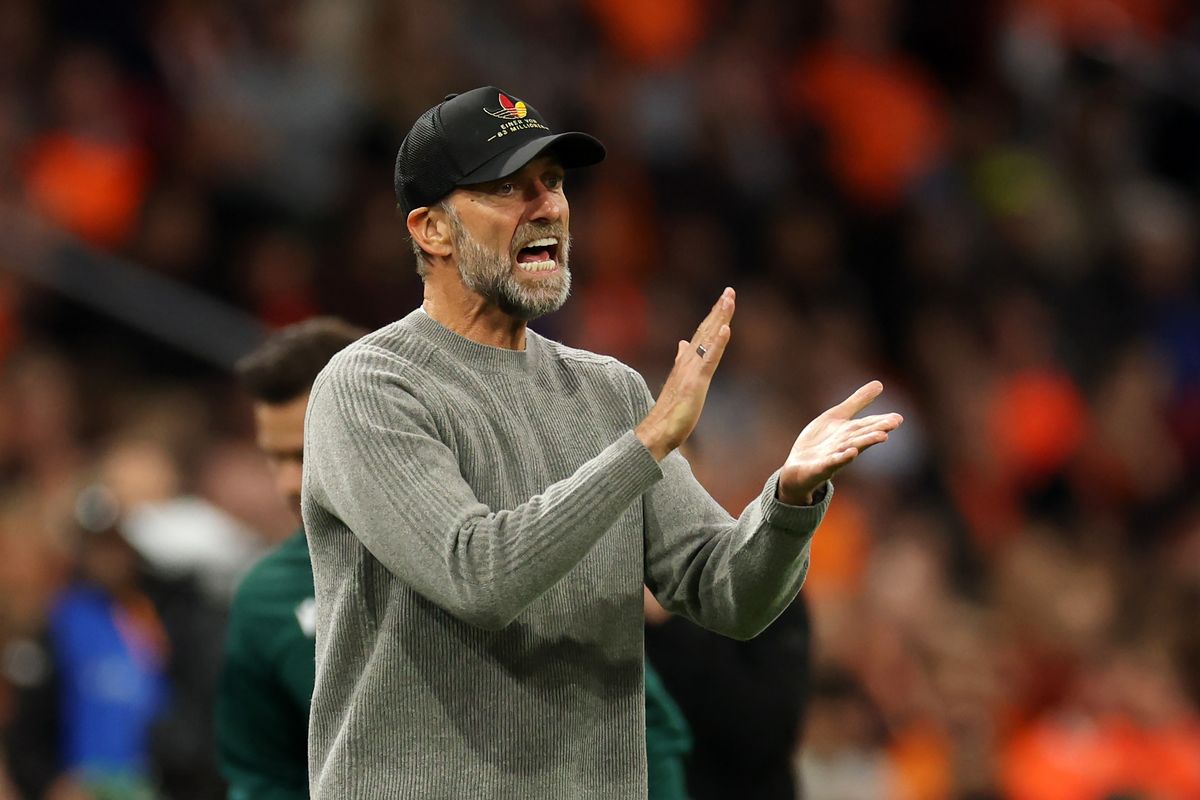
Whenever Germany faces the Netherlands, anticipation runs high, not only due to history but also because of the strategic and emotional investments from both sides. This contest marked Klopp’s much-anticipated first outing since leaving his previous club. The tactical battle unfolded before a passionate crowd, with both teams aiming to make a statement in a fixture renowned for its intensity.
First Half: Early Pressure and Key Decisions
Germany immediately signaled their intent. Implementing a direct, aggressive style often associated with Klopp—sometimes described as "heavy metal" football—they pressed forward from the outset, quickly trying to capitalize on defensive frailties. Kevin Schade posed an early threat with a dangerous ball across the face of goal, demonstrating the pace and width Germany intended to use against their opponents’ back line.
The Netherlands, however, proved resilient. Striker Brian Brobbey was central to their initial attacking forays, engaging in several physical duels with German defender Jonathan Tah. Twice he went down under pressure—first in the box and then after an apparent handball by Tah—but both appeals were dismissed, with VAR support on both occasions. These moments underscored how finely balanced the contest was and how big-match tensions can influence both referee and player decisions.
Disallowed Goals and VAR Influence

The first half's biggest talking point came when Virgil van Dijk, well known for his aerial threat, rose to seemingly put the Netherlands ahead from a corner. Such set-piece prowess has long been a hallmark of his game. However, jubilation quickly turned to frustration as VAR reviewed and ultimately disallowed the goal due to a foul on goalkeeper Marc-Andre ter Stegen by Brobbey earlier in the play. This decision epitomized modern football's increasing reliance on technology to assure fairness, despite adding an extra layer of drama and debate to high-stakes matches.
Second Half: Controversy Sparks Tempers and Opportunities
The match’s tempo and agitation only increased after the restart. A key moment developed when Brobbey and Tah were again locked in a midfield battle; Brobbey suffered a knock and signaled for a substitution, which is typically a signal for both sides to ease play and allow treatment. However, Germany unexpectedly pressed forward at that instant, swiftly advancing into the Dutch box and capitalizing on the distracted defense. Felix Nmecha finished the move with a goal, much to the ire of the Netherlands, leading to confrontations between players and discussions about sportsmanship and match protocols.
Missed Chances Fuel Nerves

With Germany holding the advantage, they soon had an opportunity to double their lead. Karim Adeyemi, a dynamic attacker with a reputation for efficiency, spurned a clear chance by sending the ball over an open goal. Moments like these highlight the immense psychological pressure on players in top international fixtures—a factor coaches and teams routinely prepare for in training but which can never truly be recreated outside such unique circumstances.
Meanwhile, at the opposite end, Dutch forward Mexx Meerdink missed out on two excellent opportunities, further intensifying the tension on the pitch. While the Netherlands pushed for an equalizer, the physical and mental fatigue of both sets of players was evident, particularly as challenges became fiercer, and tempers flared.
The Decisive Moment: Gakpo’s Timely Equalizer
In the closing stages, as often happens in football of the highest order, a moment of composure proved crucial. Cody Gakpo, exhibiting remarkable positional awareness and technical ability, found space on the left flank. He connected perfectly with a well-placed cross from Ruben van Bommel, steering a controlled volley into the net. Gakpo’s goal was a testament to his development as a decisive player on the international stage, salvaging a point for the Netherlands and denying Klopp a debut victory as Germany manager.
Tactical Insights and Lessons
- Germany’s high-pressing approach was effective in phases but left them vulnerable to counterattacks late in the game. This balance of risk and reward is characteristic of sides coached to seize initiative but can be exploited by opponents with creative wingers or target men.
- The Netherlands’ resilience and adaptability proved vital, particularly after the emotional setback of having a goal ruled out. Their ability to regroup and exploit space behind Germany’s advanced fullbacks was critical in crafting the equalizer.
Reflecting on Key Players and Controversies
Matches between these nations often hinge on fine margins and pivotal refereeing calls. The involvement of VAR in both halves served as evidence of the ongoing evolution of officiating at the highest level. While technology is intended to preserve integrity, its application inevitably leads to fierce discussion, particularly when match-defining goals are overturned.

Van Dijk’s leadership in defense, Gakpo’s attacking innovation, and Brobbey’s physical presence were all prominent storylines, while Germany’s blend of youth and experience continues to evolve under Klopp’s stewardship. The emotional responses by both benches after controversial events spoke volumes about what this fixture means to each country’s footballing culture.
Implications for Both Squads
For Germany, securing a draw in a difficult away environment is a positive start for Klopp, yet the inability to maintain discipline and composure in the latter stages will require attention as they approach future competitions. The Netherlands, meanwhile, demonstrated their ability to recover from adversity and utilize substitute contributions—a key factor in tournaments where squad depth is frequently tested.
As the international calendar progresses, both teams will analyze this encounter for tactical adjustments and use it as a springboard for refining their approach. The capacity to manage contentious moments, whether via officiating or sudden changes in game rhythm, will be central to their prospects in upcoming fixtures.
Analyzing this intense, high-level match through the lens of expertise and experience underscores the unpredictable drama of football—and why fixtures like Germany vs Netherlands continue to captivate fans and analysts alike. For ongoing coverage, expert commentary, and in-depth strategic breakdowns of international football, visit Betiball.

Góp ý của bạn giúp chúng tôi mang lại phân tích bóng đá tốt hơn.