

 Tài khoản
 Ngôn ngữ
 Múi giờ
 TỶ LỆ
TỶ LỆ


Manchester United’s Carabao Cup Collapse: Carrick’s Response, Fan Reaction & Next Steps
Manchester United's Carabao Cup exit: Carrick’s reaction, fan opinions, and what comes next for the team after the defeat.

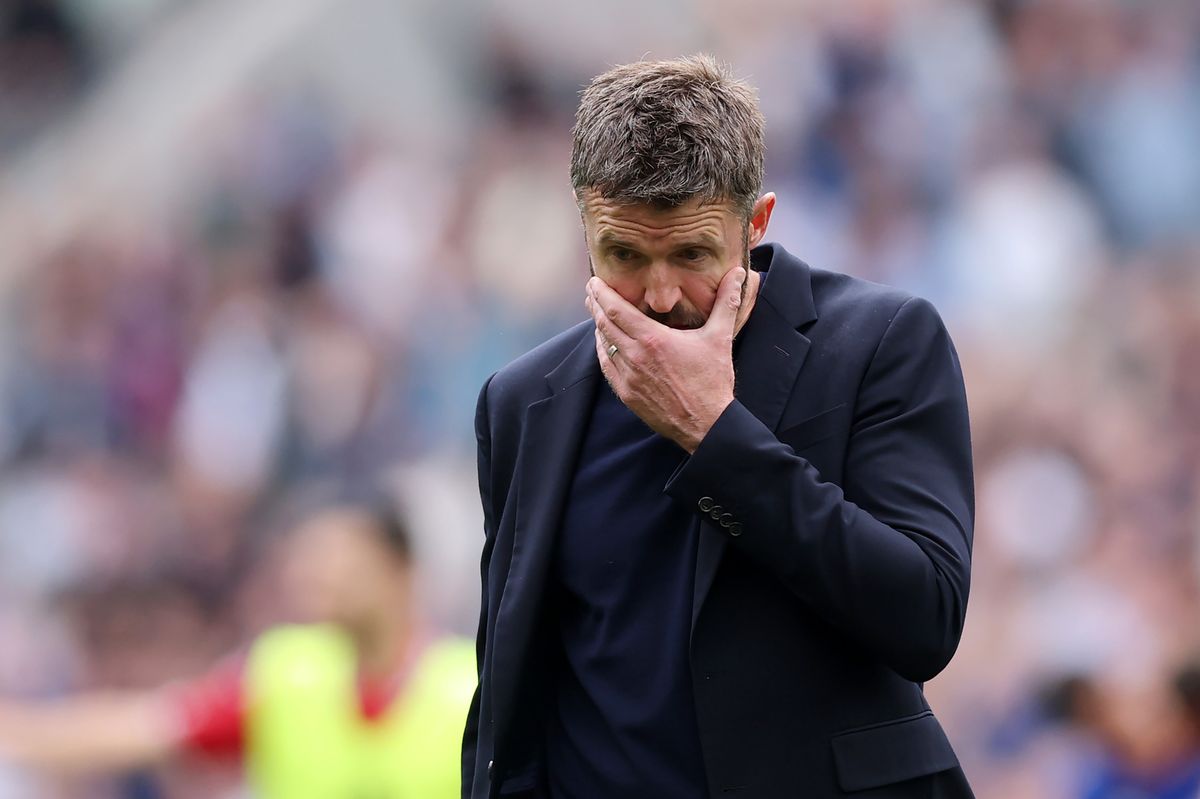
Manchester United’s recent Carabao Cup defeat to Brighton has intensified scrutiny on manager Michael Carrick, after his side gave up a two-goal advantage at home—a rare collapse not seen at Old Trafford in five decades. This analysis offers insight into Carrick’s response, the reaction from fans, and the broader reality facing United in the wake of this dramatic result.
Unexpected Collapse at Old Trafford

For an institution as proud and historically resilient as Manchester United, losing a home match after holding a two-goal lead is a remarkable event. Such outcomes are a statistical anomaly for the club, last occurring 50 years ago. Matches at Old Trafford carry a unique pressure, and the latest surrender has sparked concern regarding both team morale and tactical discipline.
The disappointment was not only evident on the pitch but resonated deeply throughout the stands, as the home supporters voiced their frustration at full-time. In professional football, such public discontent can rapidly escalate pressure on coaching staff and players alike, leading to urgent calls for introspection and change.
Carrick Accepts Responsibility

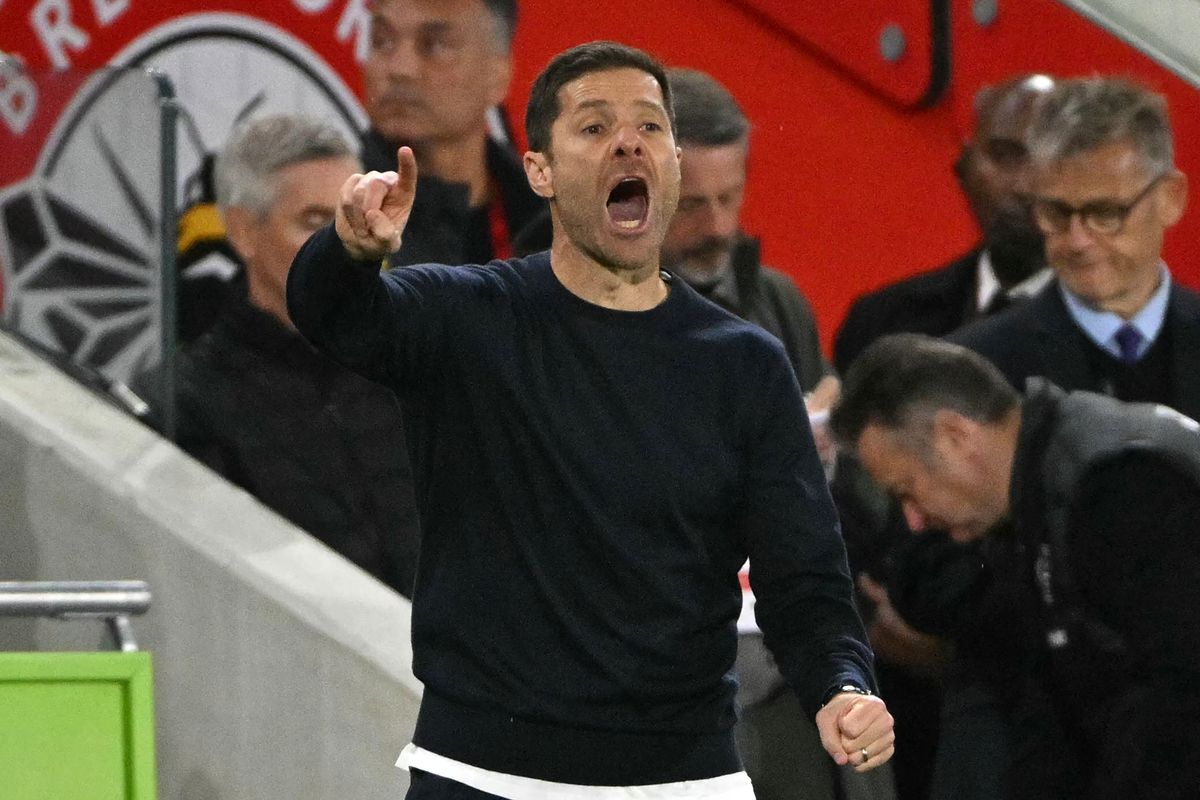
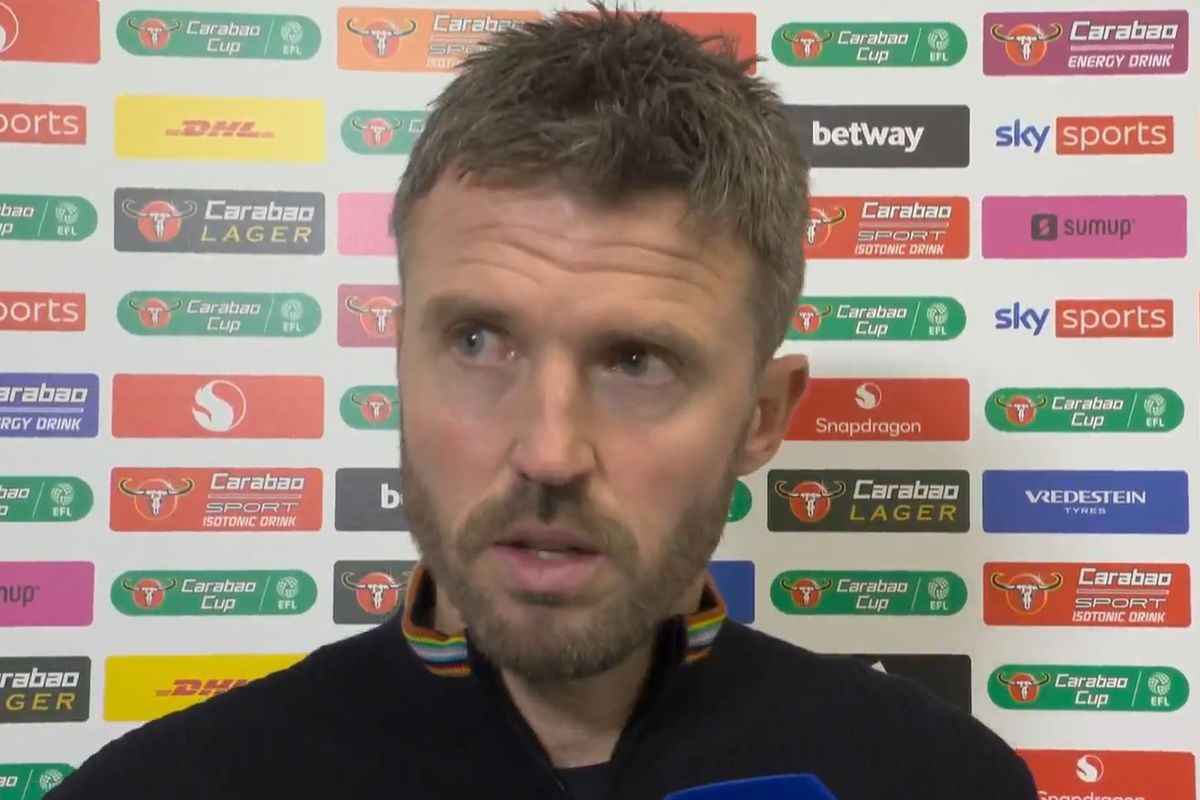
In post-match interviews, Michael Carrick did not shy away from his leadership responsibilities. Demonstrating accountability, he labeled the performance “unacceptable” and made clear that the team’s poor second-half display was his to own. As a football analyst with extensive experience covering managerial responses to adversity, it is notable when a coach publicly claims full responsibility, as it fosters respect in the dressing room and signals the seriousness of the situation to fans and stakeholders.
His comments underscore the depth of disappointment shared across the club: “We can't accept that as a group. I take responsibility for it. The performance towards the end of the second half, that's on me.” Such transparency is key to addressing underlying problems and plotting an effective path forward.
The Pressure of Expectations
At clubs with the stature of Manchester United, expectations remain perpetually high. A setback of this magnitude can often be the catalyst for widespread scrutiny. Carrick is acutely aware: “We'll all be better. We have to be better. We have a big game on Sunday that we have to prepare for. We're out of this competition and we have to go back to winning football matches.”
- This mindset reflects a critical aspect of elite sports leadership: resilience in response to adversity.
- Quickly redirecting focus toward the next fixture is crucial for maintaining squad morale and performance momentum.
The United Fan Reaction

The emotional investment of Manchester United’s fan base is legendary. After the final whistle, a chorus of boos greeted the players—a reaction mirroring both the shock and disappointment drawn from such a rare capitulation. From an expert’s perspective, how a manager addresses supporter sentiment is often as consequential as tactical decisions made on the field.
Carrick’s empathy for fan frustrations was clear: “I totally understand the feelings of the supporters. We have to accept it. I totally accept it. It's on me ultimately: as a team what we look like, how we play and what results you get. I take that. I'll take the praise, I'll take the criticism and the upset.”
This public acceptance of criticism demonstrates emotional intelligence and maturity—traits valued in the volatile world of top-level football.
Managing Young Talent During Difficult Times
The result against Brighton has intensified focus on another ongoing issue: the fate of 15-year-old prospect JJ Gabriel, who has reportedly expressed a desire to leave Manchester United. For clubs of this size, managing youth development, aspiration, and welfare in high-pressure environments is a complex challenge.
Balancing Potential and Protection
Michael Carrick emphasized the importance of patience and caution regarding Gabriel’s situation: “We have to be a little bit careful on that one. He's a 15-year-old boy. It's more about the welfare, the care and the attention of JJ as a child really.” As someone with extensive experience in youth athletics, it is critical to recognize not just the potential in prodigious talents but also their vulnerability.
- Developing players at a young age requires safeguarding their personal and psychological development, beyond just athletic potential.
- Premature exposure to media and supporter scrutiny can be detrimental to a young player’s well-being and future career.
Football clubs must balance the drive for results with their duty of care toward academy players, making carefully considered choices about communication and public engagement.
The Path Forward for Manchester United
Carrick’s repeated acknowledgment of accountability and insistence on learning from this setback illustrate key principles of effective management at the highest level. The ability to diagnose failure, reassure squad and supporters, and quickly realign focus toward upcoming competitions is what sets apart elite organizations.
Moving forward, United’s response to this adversity will be instructive for both fans and industry observers. Clear communication, an honest appraisal of team weaknesses, and targeted tactical improvements should be at the forefront of the club’s short-term agenda.
Expert Insight on Club Culture and Recovery

In my years of professional analysis, I have witnessed that the most successful clubs do not avoid setbacks, but use them as opportunities for growth. Carrick’s willingness to confront uncomfortable truths signals a readiness to lead restorative changes, though only time will reveal the squad’s response to his methods. Prioritizing a united locker room and supportive environment for young players like JJ Gabriel will remain essential as Manchester United seeks to navigate this challenging period.
Conclusion
The loss to Brighton has created both immediate turmoil and a rare historical blemish at Old Trafford. Yet, the way Michael Carrick and Manchester United approach these pressing challenges will determine the trajectory of their season. Accountability, open communication, and the welfare of all players—including emerging talents—must remain central to their mission.
For more expert analysis and latest updates from the world of football, visit Betiball.

Góp ý của bạn giúp chúng tôi mang lại phân tích bóng đá tốt hơn.