

 Tài khoản
 Ngôn ngữ
 Múi giờ
 TỶ LỆ
TỶ LỆ


England’s World Cup 2026 Review: FA Analysis of Tuchel’s Semi-Final Defeat
In-depth FA review of England's 2026 World Cup run, focusing on Tuchel’s tactics and key moments from the semi-final defeat.



Nearly two months after England’s tough World Cup semi-final defeat to Argentina, the Football Association (FA) is conducting an extensive review to understand what led to the team's downfall under the management of Thomas Tuchel. This comprehensive analysis aims to assess both the positive and negative aspects of England’s tournament, providing valuable insights for future international competitions.
Reflecting on England’s World Cup Campaign

England’s journey at the 2026 World Cup in the USA, Mexico, and Canada marked their most successful campaign since the iconic 1966 victory. Tuchel’s squad secured an impressive third-place finish, capped by a dramatic 6-4 win over France in the play-off. However, these achievements were overshone by the disappointment of surrendering a lead and suffering a late 2-1 loss to Argentina in the semi-finals. The FA has since prioritized a thorough investigation into this result, dissecting tactical, psychological, and operational factors that influenced the outcome.
The Turning Point Against Argentina
The semi-final match against Argentina stood out as a critical learning moment. England initially took control with Anthony Gordon’s opening goal, but fell into a defensive posture, inviting pressure after going ahead. Two swift, late goals from Argentina, scored by Enzo Fernandez and Lautaro Martinez, led to England’s exit. This shift in tactics—choosing to retreat rather than build on their lead—remains a focal point of the FA’s post-tournament analysis.
Internal Review and Expert Involvement
Demonstrating the FA’s commitment to continuous improvement, a three-day inquest was led by Tuchel and his senior staff—including assistant Anthony Barry, fitness expert Nico Mayer, goalkeeper coach Henrique Hilario, and data analyst James Melbourne—alongside FA technical director John McDermott. This group meticulously reviewed match footage, key decisions, and player performances throughout the tournament. Their findings are set to inform an upcoming performance advisory group meeting with renowned sports leaders such as England women’s manager Sarina Wiegman, rugby icon Sir Kevin Sinfield, and cricket executive Manoj Badale.
Constructive Discussion, Not Blame
The FA’s approach is centered on learning and development, fostering a collaborative atmosphere rather than attributing blame. According to respected industry sources, the advisory group aims to encourage open discussion around tactics, substitutions, and in-game responses, recognizing the complexity of high-pressure tournament football.
Managerial Decisions Under the Microscope
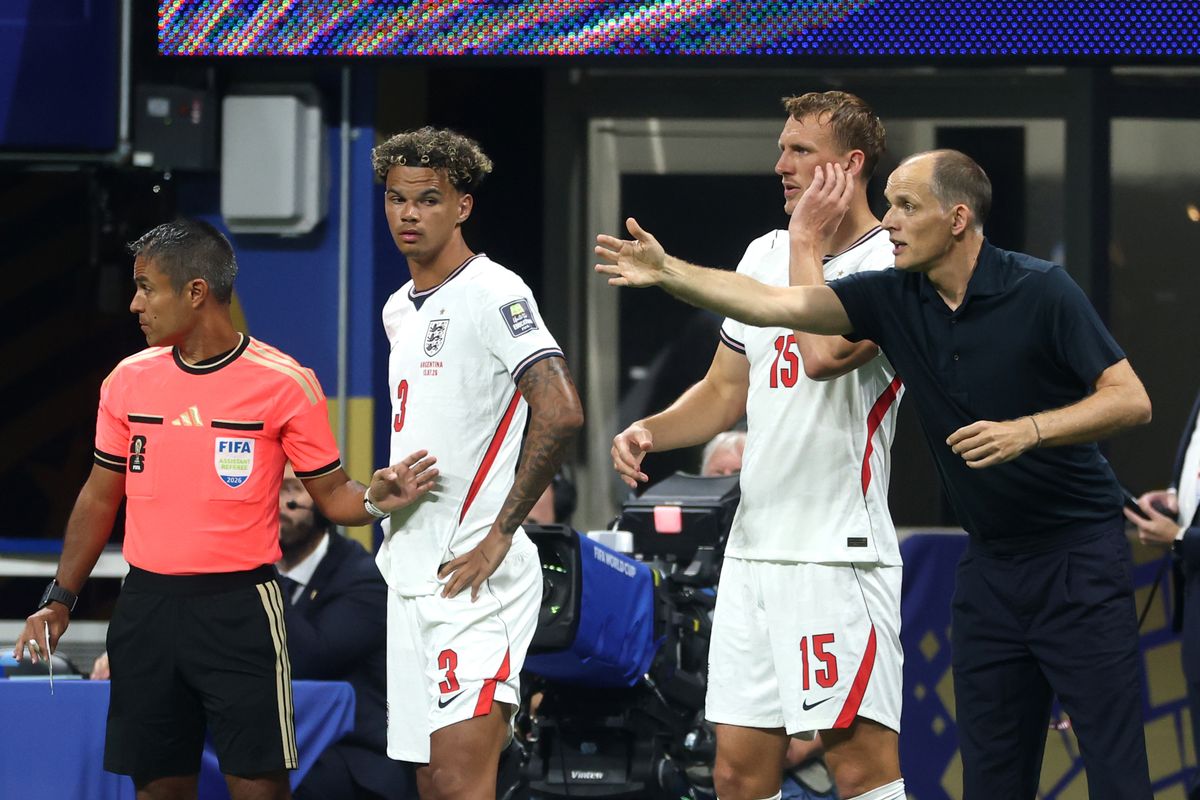
Thomas Tuchel’s in-game choices in the semi-final have received considerable attention, particularly the decision to substitute Anthony Gordon—the match’s goal-scorer—for defender Ezri Konsa. Additional changes, including bringing on Dan Burn and Nico O’Reilly for key players Reece James and Declan Rice, have prompted debate among analysts and supporters. Evaluating these moves is essential to understand their impact on England’s ability to control the game and respond to the opposition’s tactics.

Team Psychology and Tactical Shifts
- England demonstrated a tendency to become risk-averse after taking the lead, retreating into a defensive shell.
- This strategic conservatism allowed opponents to regain momentum, as seen against Argentina and, to a lesser extent, earlier matches against Croatia and México.
Such patterns raise important questions about the squad’s mental resilience and the ability of coaching staff to maintain a proactive approach in critical moments.
Analysis of Tournament Performance
England’s campaign showcased both the strengths and vulnerabilities of Tuchel’s methods. The team opened with an attacking 4-2 victory against Croatia after relinquishing early leads, and their style in this match matched Tuchel’s pre-tournament promises of entertaining football. However, subsequent rounds saw England adopt a more cautious, defensive stance, struggling to assert themselves against DR Congo and Norway despite ultimately securing come-from-behind wins.
Handling Adversity and Squad Rotation

England’s adaptability was tested in the round of 16 encounter with Mexico, where playing with ten men forced tactical pragmatism. After surviving intense pressure and exploiting tactical substitutions, the team advanced with a 3-2 victory—demonstrating the coaching staff’s flexibility and situational awareness under duress.
Off-the-Pitch Considerations
The FA review also extends beyond footballing tactics, with significant attention to logistical and wellness choices made during the World Cup. England covered more travel distance—nearly 16,000 miles—than any other team, basing themselves out of Kansas City to optimize training but potentially increasing player fatigue.
Monitoring Player Well-being
- Data from wearable technology monitored player sleep quality, recovery, and physical strain throughout the tournament.
- Each variable, from match schedule to training intensity, is being carefully scrutinized to build a comprehensive picture of the team’s readiness.
The FA’s robust approach ensures all potential contributors to performance—on and off the pitch—are considered in future planning.
Preparation for the Future
Responsibility for compiling the final performance review rests with Mark Jarvis, FA head of performance, whose expertise in elite athlete monitoring ensures a detailed, evidence-based report. This review will be assessed by senior FA leadership, including chief football officer Dan Ashworth and chief executive Mark Bullingham.
Thomas Tuchel’s current contract runs through Euro 2028, presenting a valuable opportunity for the lessons from this World Cup to directly influence England’s preparations as tournament hosts. With high-caliber leaders—like Sarina Wiegman—part of the consultative process, the national team benefits from diverse perspectives and a deep well of international experience.
Upcoming Challenges and Lingering Questions
Despite the disappointment of their World Cup semi-final exit, England faces new challenges on the horizon. Matches against Spain, Czech Republic, and Croatia in the Nations League will provide crucial tests of both the team’s tactical identity and mental fortitude. Addressing the factors identified in this thorough inquest will be essential for England’s ambitions on the international stage.
For updates and in-depth analysis on all things football, including expert perspectives, insights, and the latest developments, visit Betiball.

Góp ý của bạn giúp chúng tôi mang lại phân tích bóng đá tốt hơn.