

 Account
 Language
 Time Zone
 COEF
COEF


Xabi Alonso Fuels Arsenal Frustration After Chelsea’s £117m Rogers Transfer
Xabi Alonso intensifies Arsenal fans’ woes as Chelsea secures £117m Rogers transfer, impacting Premier League dynamics.
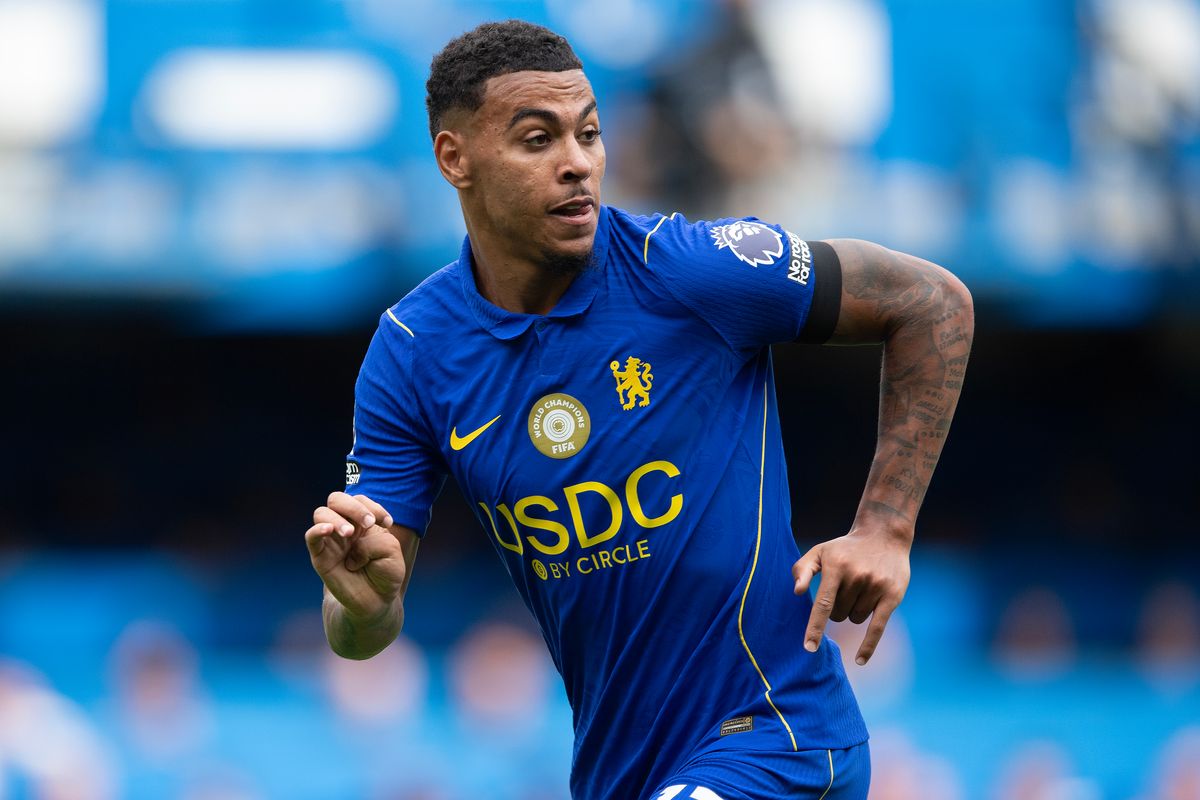


The Premier League transfer window always brings excitement and high-stakes drama, and the recent saga surrounding Morgan Rogers is a prime example. In this article, we’ll explore how Xabi Alonso’s comments have added to Arsenal’s frustrations after missing out on Rogers, analyze the strategic impacts for both clubs, and provide deeper context for fans following the unfolding story from an expert perspective within the football industry.
Morgan Rogers: A Highly Sought-After Talent
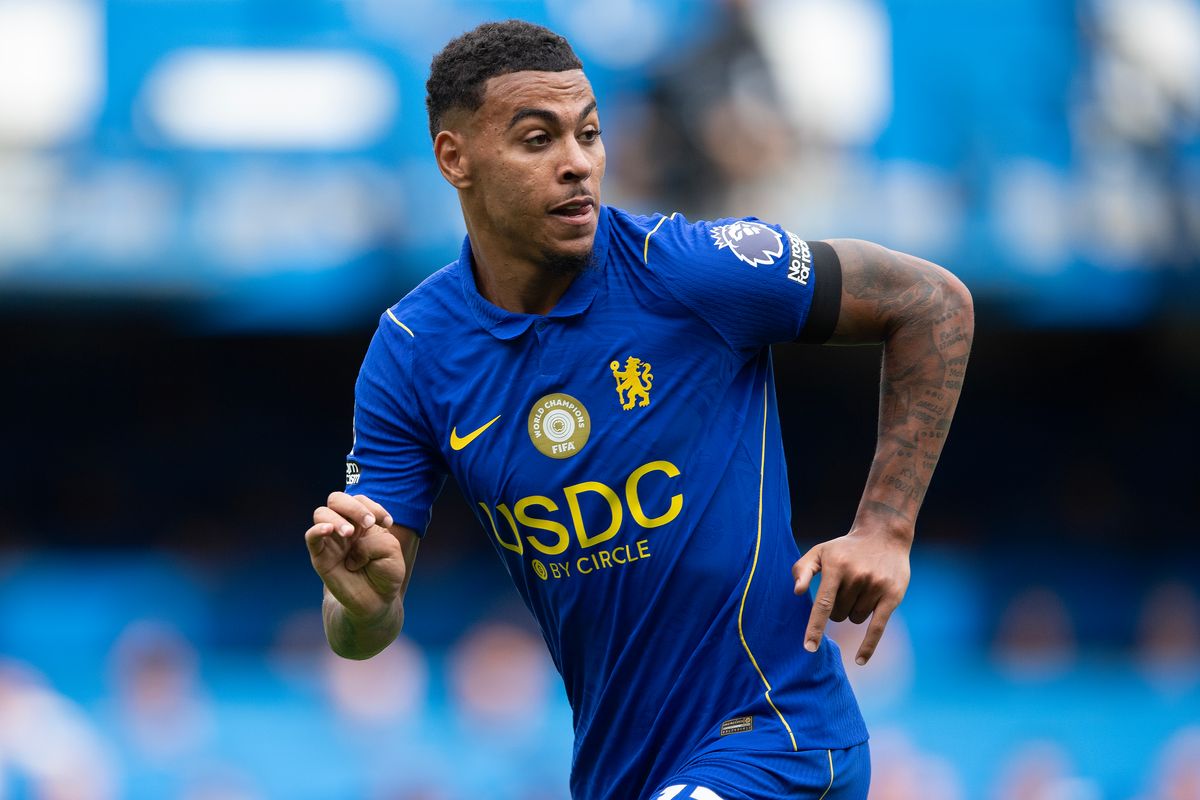
Morgan Rogers emerged as one of England’s most promising midfielders in recent seasons, drawing significant interest due to his on-field intelligence, work rate, and versatility. After a dynamic spell in the Championship, he became a major target for several Premier League clubs longing for both his present abilities and long-term potential. With his £117 million switch to Chelsea, Rogers not only shattered transfer records, but also ignited debate about recruitment strategies among England’s elite sides.
Chelsea’s Transfer Triumph
Securing Rogers was widely considered a coup for Chelsea's project. He made an immediate impact in West London, scoring on his debut against Fulham and providing an assist in a thrilling win over Brighton. Such rapid adaptation at a top-tier club reveals both his technical proficiency and mental resilience—key indicators for success in the flow and pressure of Premier League football.
Xabi Alonso’s Post-Transfer Reflections
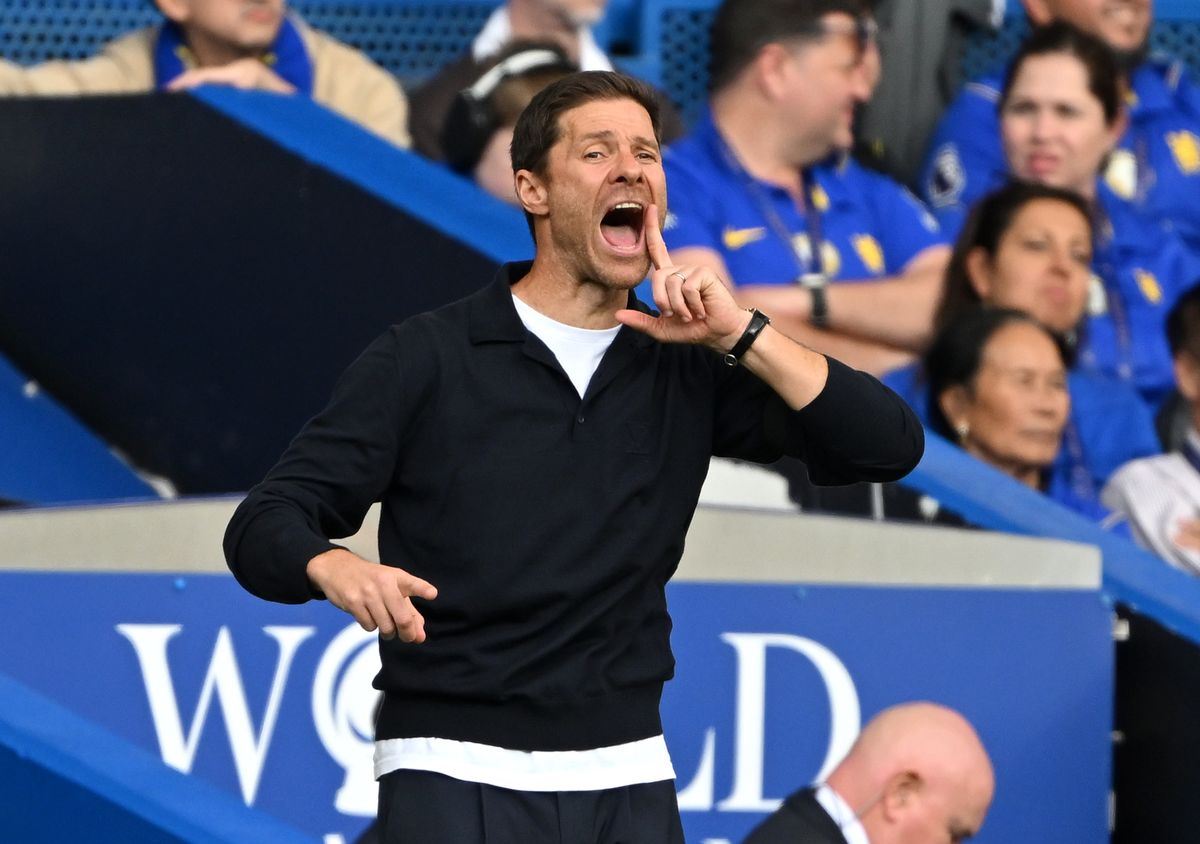
Renowned for his strategic insight and steady hand, Xabi Alonso didn’t hold back when assessing Rogers’ arrival. During his pre-match press conference before a much-anticipated clash with Arsenal, Alonso emphasized the significance of Rogers’ signing, underscoring both the immediate boost and the projected long-term influence on the team’s development.
- Alonso highlighted: “To sign a player of Morgan’s calibre—now and for the next six, seven years—is huge. His initial performances have already made a tangible difference.”
From a technical standpoint, this praise from one of football’s most tactically astute figures illustrates exactly why Chelsea’s commitment—both financial and tactical—to Rogers was justified. It also frames the story from the lens of a manager who understands both what the talent brings and what rivals lose from not completing the deal.
The Arsenal Perspective: Near Misses and Lingering Frustration
For Arsenal supporters and their recruitment staff, missing out on Rogers added fresh wounds. Despite significant investment that brought Christos Tzolis, Bruno Guimaraes, Ezri Konsa, and Piero Hincapie to North London, their inability to secure a key offensive target has left some questions about their transfer execution this window.
Insight from Former Players and Analysts

Popular club legend and broadcaster Ian Wright gave voice to these frustrations. He stressed the importance of signing proven offensive creators like Rogers, explaining that Arsenal’s ambitions hinge on acquiring players who can make a difference against top European opposition—specifically referencing missed opportunities during marquee Champions League matchups.
The analysis here is rooted in decades of Premier League experience: elite squads need match-winners, not just squad depth. From a wider point of view, Arsenal’s attempt to sign Vinicius Junior demonstrates the lengths top teams are willing to go in search of that final piece of the attacking puzzle, but it resulted in Rogers—who was always considered a strong cultural fit—being overlooked to an extent. For any serious sporting director, this pattern is a warning about clarity in transfer strategy.
Reflection on Arsenal’s Transfer Policy
Mikel Arteta’s public comments throughout the window underlined the desire for attacking reinforcements. However, as the window closed, critics and fans alike were left to ponder whether the lack of ruthlessness in negotiations cost Arsenal more than just one player. In modern football—where the margins between contenders are razor-thin—missing out on top targets can have both tactical and psychological consequences for a squad and its supporters.
Implications for the Upcoming Clash: Mind Games at Play?
Buoyed by Rogers’ quick adaptation, Chelsea approach their next fixture against Arsenal emboldened. Xabi Alonso’s public comments serve not just as praise, but as subtle psychological maneuvering ahead of an important rivalry match. As a figure with championship credentials, Alonso knows the motivational value of confidence and the disruption sowed by transfer disappointments on opponents.
Conversely, Arsenal must demonstrate resilience, both on and off the pitch. Experienced professionals inside the industry recognize that squad morale and tactical flexibility will be tested—particularly when facing a side that has just landed a high-profile target you admired. It’s a scenario in which managers earn their reputations, and coaches draw on years of experience to refocus players on performance rather than speculation.
Key Takeaways from the Transfer Battle
- Reflective recruitment is essential. As transfer failures can become flashpoints, it’s vital for clubs to maintain clarity in squad objectives and reinforce trust internally, ensuring disappointments do not breed insecurity within the organization.
- Player adaptation offers rapid returns. Rogers’ early contributions at Chelsea show the value elite talents bring to a team, validating scouting assessments and swift integration into first-team systems.
- Strategic communication influences the narrative. Managers, particularly those with Alonso’s gravitas, demonstrate how comments and public narratives can shape rivalries and even affect results on the pitch.
Conclusion: Lessons for Clubs and Supporters
Morgan Rogers’ high-profile move is not just a story of transfer fees and rumors; it’s a case study in ambition, preparation, and the ongoing chess match between England’s leading football institutions. For Arsenal, it’s a missed opportunity that may prompt review of their recruitment methods and internal processes. For Chelsea, it signals intent and tactical awareness—reinforced by a manager who understands both the psychological and technical aspects of team building.
From a professional viewpoint at Betiball, this episode reminds stakeholders across football to value well-informed decision-making, adaptability, and open communication—fundamental pillars for building winning teams in today’s competitive landscape.

Your feedback helps us deliver better football betting insights.