

 Account
 Language
 Time Zone
 COEF
COEF


Rio Ferdinand Urges Manchester United to Stand Firm Amid JJ Gabriel Exit Saga
Rio Ferdinand advises Manchester United to stay strong as JJ Gabriel's potential transfer exit continues to fuel speculation.



With ongoing speculation surrounding young football talent JJ Gabriel and his future at Manchester United, former club legend Rio Ferdinand has offered his seasoned perspective on how the club should respond. The emerging conflict centers around Gabriel’s desire to leave, despite his youth and current place in United’s academy ranks. As a sports analyst with years of experience following football talent development across Europe, I will break down the situation, explain Ferdinand's viewpoint, and provide context on balancing player ambition with club policy.
JJ Gabriel’s Rising Profile and Transfer Request

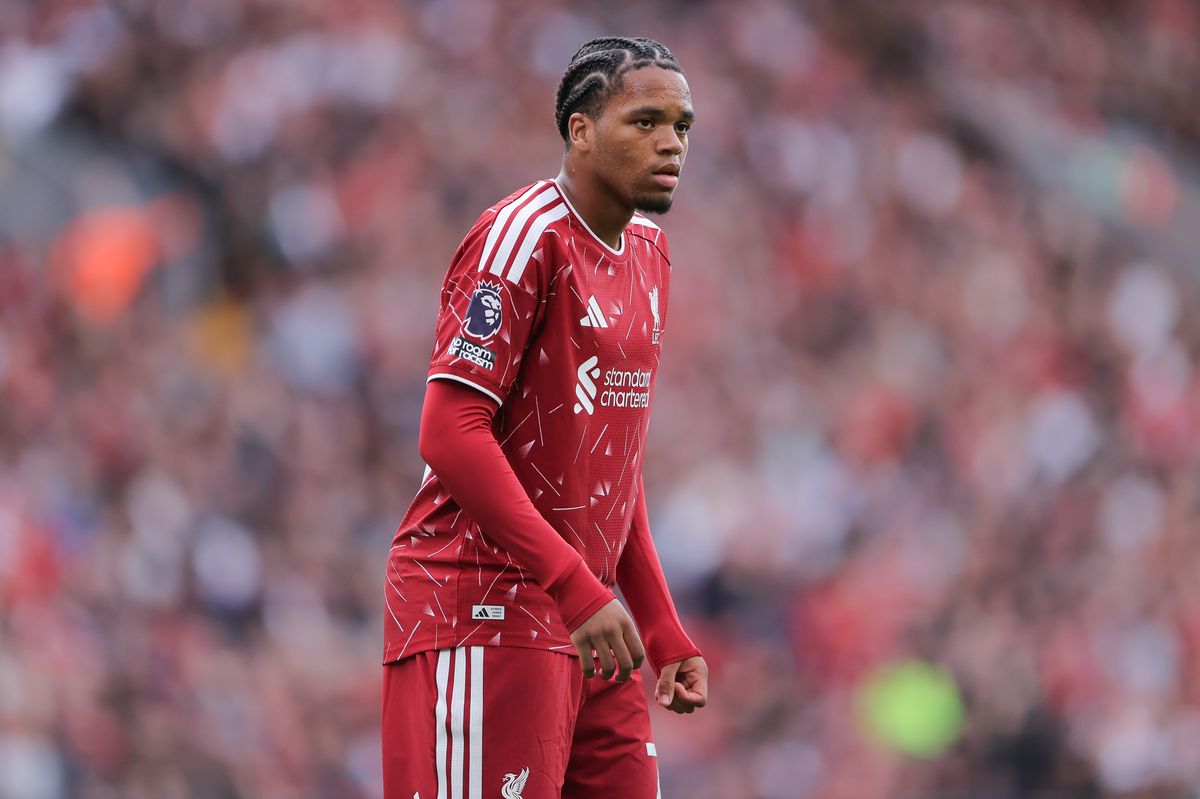
JJ Gabriel, a promising 15-year-old footballer from Manchester United’s academy, has found himself at the center of considerable media attention. Reports indicate Gabriel is dissatisfied with his limited playing time, primarily featuring for the Under-21s, and has made it known to the club that he wants to move on. Despite not yet debuting for United's first team, his frustration is fueled by a belief—shared by his family—that his development could progress faster elsewhere.
Interest From Europe’s Elite
The situation has not gone unnoticed among Europe’s biggest clubs. Organizations renowned for nurturing young talent, including top Spanish, German, and French teams, are closely monitoring Gabriel’s availability. There is also domestic interest should United choose to facilitate his departure. Such widespread attention at this stage of his career underscores both Gabriel’s potential and the high stakes involved for Manchester United’s academy system.
Rio Ferdinand’s Experienced Perspective

Having spent the majority of his illustrious playing career at Manchester United, Rio Ferdinand offers more than just opinion—his insights are informed by firsthand experience navigating both the demands of the club and the complexities of youth development. Ferdinand recently engaged with United’s squad during pre-season and saw Gabriel’s abilities up close, further informing his stance.
Setting Precedent and Maintaining Authority
Ferdinand is clear in his advice: Manchester United must avoid being “bullied” by a young talent, regardless of Gabriel’s promise. His rationale is rooted in club culture and long-term stability. If a leading football institution like United yields to the demands of an academy-level player, it could open the door to similar challenges in the future. Stability and consistent standards are crucial for a club that regularly produces elite-level talent.
- Clubs must balance the ambitions of emerging stars with organizational consistency.
- Decisions set precedents that affect future negotiations and academy management.
Ferdinand’s argument demonstrates an understanding of the complex power dynamics institutions face, having witnessed the impact of concessions first-hand during his playing and post-career roles in football analysis and youth mentorship.
The Family’s View and the Modern Academy System
Ferdinand acknowledges, from both a parental and professional perspective, why Gabriel’s family feels compelled to seek the best possible pathway for their child. He draws on his own experience as the father of two aspiring footballers in the academy system, empathizing with the desire to seek clarity and opportunity for young players. In today’s high-stakes youth football environment, parents and agents increasingly influence decisions as they look for the ideal environments to foster growth and safeguard future prospects.
It is important for both clubs and families to recognize football’s unpredictability. Injuries, fluctuations in form, and changes in coaching can drastically alter development trajectories, no matter how promising the talent. Thus, open communication and realistic expectations are essential components for navigating these situations responsibly and ethically.
The Legal and Regulatory Challenges

Player movement at the academy level is strictly regulated. Gabriel, turning sixteen in October, will only then be able to have official representation from an authorized agent under existing football regulations. Until such a milestone, options for changing clubs are constrained unless United chooses to deregister him before the official transfer period.
This regulatory environment is designed to protect both player and club interests but can sometimes contribute to contentious scenarios, especially when a player’s market value and potential begin soaring before they even enter professional ranks.
Assessing the Footballer’s Talent and Outlook
Despite the tension between the prospect and the club, Ferdinand is unequivocal about Gabriel's footballing ability. Those who have observed Gabriel’s games and training sessions speak in glowing terms, emphasizing his technical skill, vision, and maturity well beyond his years. Coaches and scouts agree that Gabriel is likely to achieve professional success, but the circumstances surrounding the next steps in his career remain uncertain.
Developmental Milestones and Realistic Opportunities
In an ideal scenario, players of Gabriel’s calibre are gradually introduced to first team football once they have achieved the necessary physical, emotional, and tactical maturity. Clubs like Manchester United have a track record of successfully managing this process with previous prospects, but external interest and growing impatience sometimes accelerate timelines, introducing risk for everyone involved.
Club Policy: Balancing Talent and Principles

From the perspective of someone with extensive experience in talent identification and development, the case exemplifies a common dilemma: a club’s responsibility to the individual versus its duty to broader institutional standards. Ferdinand’s lessons advise restraint and resolve, warning against setting a pattern where youthful impatience takes precedence over club policy.
- Clubs need to protect long-term values threaded through their youth programmes.
- Individual negotiations should not jeopardize holistic academy strategies.
The underlying message aligns with principles often discussed on Betiball: great football institutions excel at holding firm to their standards whilst sustaining environments that allow youth to flourish. As academy football evolves, such balanced leadership becomes even more critical.
Conclusion: Navigating the Modern Football Landscape
The dispute between JJ Gabriel and Manchester United is a microcosm of the challenges facing today’s youth football. Clubs are under pressure to accelerate development timelines, while young athletes and their families seek visible and rapid paths to the top. Ferdinand’s insights, grounded in deep experience and respect for the game’s traditions, highlight the ongoing need for strong leadership, sound policy, and mutual respect between clubs and rising stars.
For aspiring professionals, parents, and club officials alike, the lesson here is clear: talent alone does not dictate outcomes. Patience, clear communication, legal knowledge, and adherence to core values are all necessary ingredients for long-term success. This approach—valuing both individual growth and institutional integrity—is what continues to drive football’s greatest clubs and remains a central theme on expert-driven platforms like Betiball.

Your feedback helps us deliver better football betting insights.