

 Account
 Language
 Time Zone
 COEF
COEF


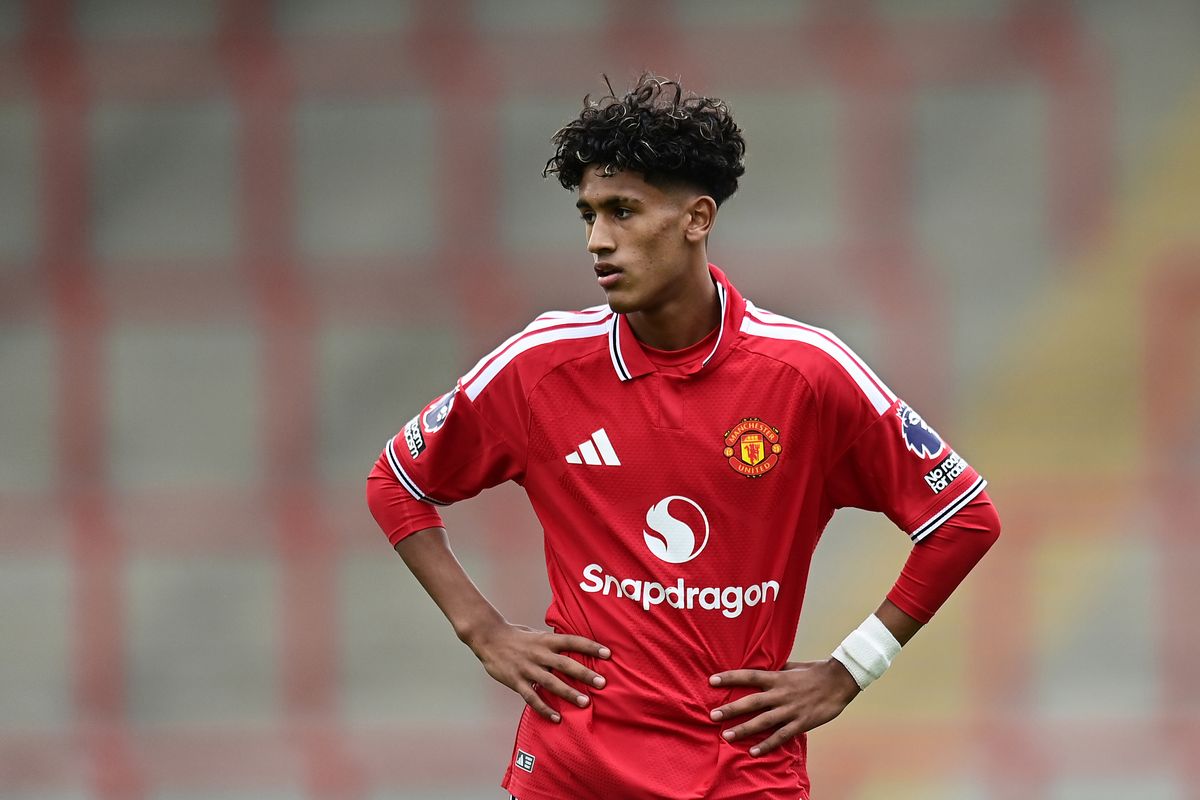
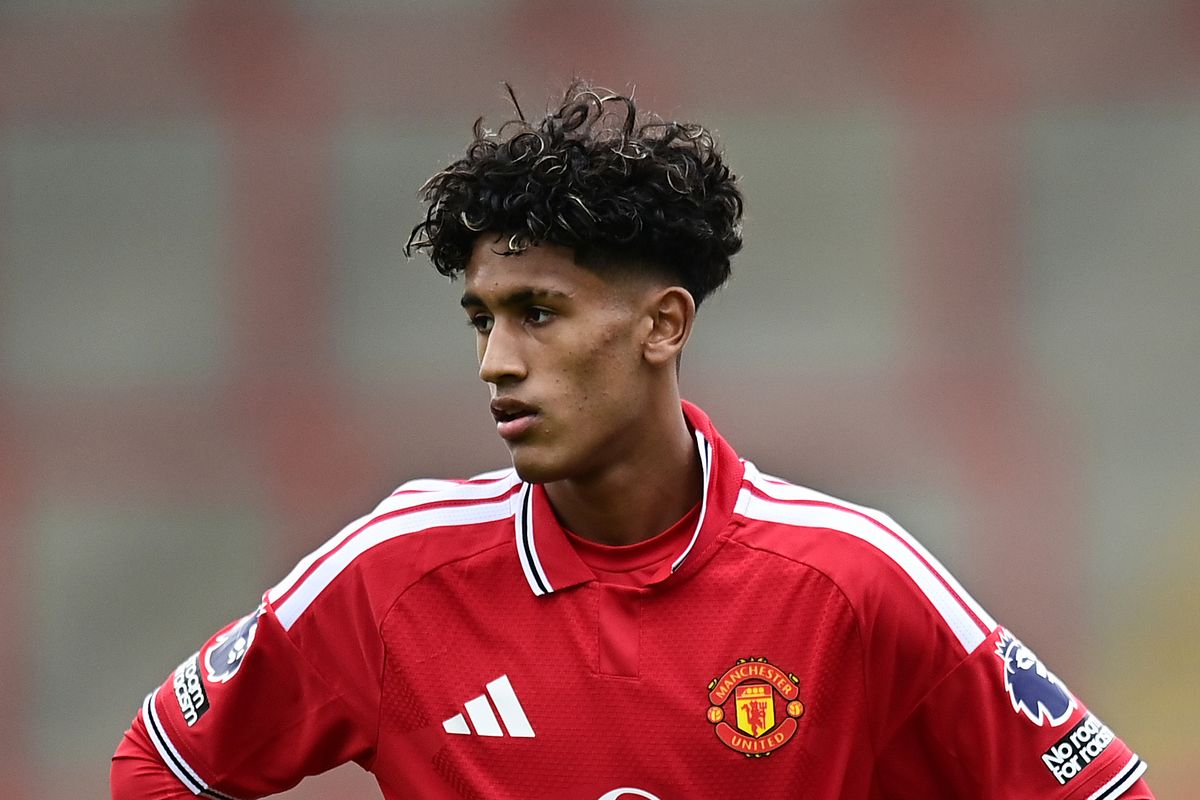
Why Yan Diomande Chose Real Madrid Over Liverpool: Key Transfer Factors Analyzed
Yan Diomande picked Real Madrid over Liverpool—find out the main reasons behind his transfer decision and what set Madrid apart.


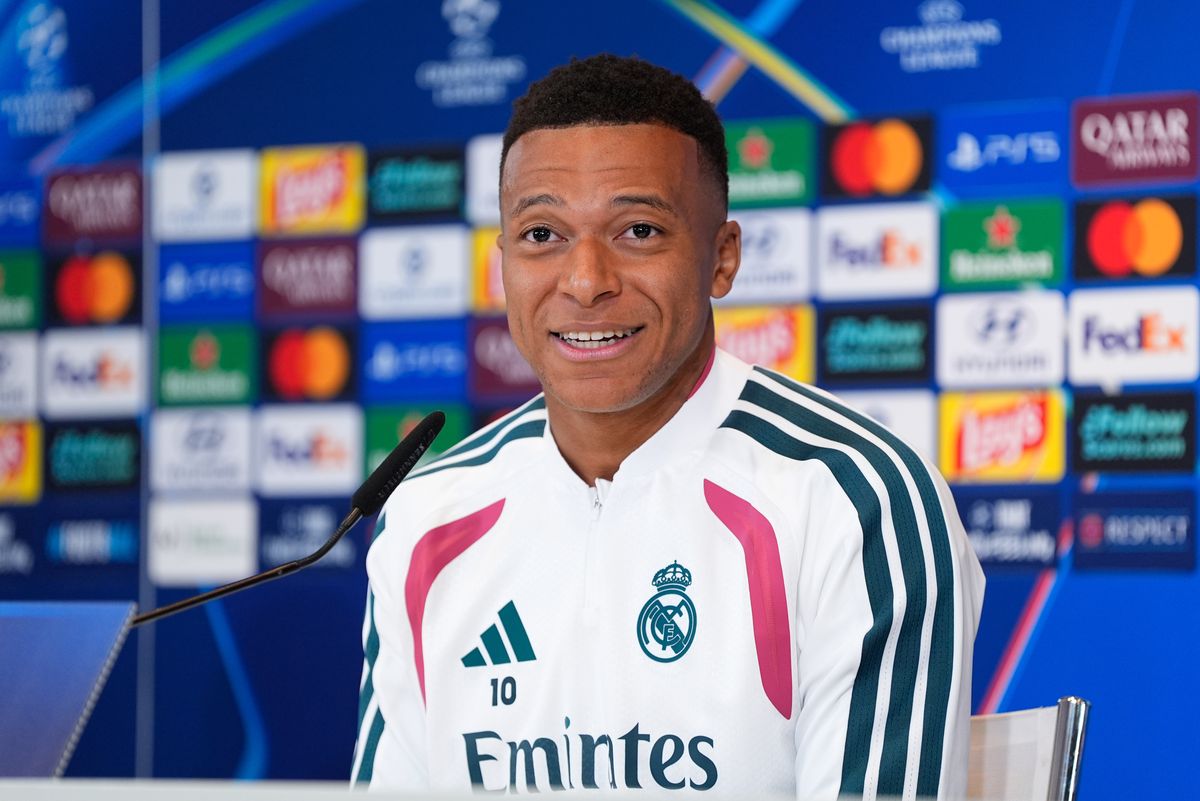
Yan Diomande's recent high-profile transfer decision has sparked significant conversation across European football. Many expected the talented 19-year-old winger to join Liverpool, but he ultimately chose Real Madrid under Jose Mourinho. As a sports professional, I’ll break down the key factors influencing Diomande’s choice, offering expert insights into the dynamics of modern football transfers.
Understanding Yan Diomande’s Transfer Journey
For ambitious young talents like Diomande, choosing the right club is about more than financial incentives—it’s about maximizing their potential, succeeding in top competitions, and aligning with strong leadership and project visions. Liverpool made a well-documented effort to acquire Diomande, yet several interconnected factors steered the Ivorian star toward Madrid.
Liverpool’s Transitional Phase and Its Impact
In the wake of a managerial change, Liverpool entered a period of transition with Andoni Iraola at the helm. Such transitions often bring a degree of uncertainty for incoming players, particularly young prospects aspiring for stability and clarity around a club’s future. It’s widely acknowledged among football insiders that players closely analyze a club’s sporting project and squad structure before signing.
- Liverpool met with Diomande, outlining ambitions and their vision of his role.
- However, the club’s current restructuring and evolving tactical approach under Iraola did not provide the concrete assurances Diomande sought, especially compared to more settled options elsewhere.
Financial Hurdles and Market Realities
Big transfers in modern football often come down to complex negotiations between the interested parties, usually hinging on valuation and willingness to meet the selling club’s demands. Here, Liverpool faced a notable obstacle: RB Leipzig’s steep asking price for Diomande.
Competing Bids and Transfer Fees
- Liverpool's £85 million offer was significantly below Leipzig’s valuation of €130 million (£111 million), resulting in a rejected bid and no subsequent improved proposal.
- Paris Saint-Germain also expressed interest, reportedly agreeing terms with Diomande, but similarly balked at the high fee.
- Real Madrid's persistence ultimately paid off—after an initial failed bid, they closed the deal with an agreement reportedly worth up to €140 million (£120 million) including add-ons, reflecting their commitment to securing top young talent.
Real Madrid’s Project and Mourinho’s Allure
Beyond finances and club status, Diomande’s decision was cemented by Real Madrid’s compelling project under the leadership of Jose Mourinho. Current football trends demonstrate that clear sporting projects and a robust development pathway can make the difference in attracting elite talent.
Mourinho’s Direct Involvement
A defining moment came when Jose Mourinho personally reached out to Diomande, conversing fluently in French—a language Diomande is comfortable with. This added a personal touch and demonstrated genuine interest, built on a foundation of respect and individualized planning. According to Diomande's agent, this created a sense of trust and understanding that proved decisive.
From my experience following European club dynamics, few things matter more to young stars than knowing a manager truly values their future. Mourinho’s actions aligned with best practices in modern player recruitment, where a clear vision and tailored communication matter as much as on-pitch strategy.
A Clear Development Plan
Real Madrid didn’t just sell tradition and silverware—they presented Diomande with a detailed career roadmap, referencing past examples like Vinicius Junior, who rose from promising prospect to world-class performer at the Bernabeu. This practical, individualized development plan showcased both immediate opportunities and long-term ambitions for Diomande, reassuring him about his growth trajectory.
Liverpool’s Perspective and Missed Opportunity
For Liverpool, losing out on Diomande highlights the challenges top English clubs can face during periods of transition. Their intent was clear: Diomande was being groomed as a possible successor to Mohamed Salah, one of the Premier League’s most prolific wingers. However, the club chose not to overextend financially or promise more certainty than they could offer in a time of internal adjustment.
These calculated decisions reflect the realities top clubs like Liverpool must manage between ambition, fiscal responsibility, and squad stability—a delicate balance that shapes all major transfer windows.
The Changing Nature of Elite Football Transfers
As transfer dynamics evolve, young stars increasingly seek more than a big-name badge or record fee. They want authentic engagement, developmental clarity, and competitive guarantees. The Diomande saga exemplifies this modern approach to player movement at the top level.
Key Lessons from the Diomande Decision
- Clubs undergoing major changes can struggle to attract top targets without a compelling narrative and immediate competitive prospects.
- Financial prudence remains vital, but breaking transfer records is sometimes unavoidable to compete for priority signings.
- Personal rapport and direct communication from high-profile managers can be the decisive factor when clubs are otherwise evenly matched.
- Presenting a transparent, evidence-backed development plan is now standard for top-tier European clubs seeking emerging talent.
Conclusion: What This Means for the Future
Yan Diomande’s transfer highlights crucial trends in the upper echelons of European football—where sporting vision, leadership, and clear development pathways are now as influential as financial might. Clubs willing and able to integrate these elements are best positioned to secure emerging stars.
As an observer and analyst in the industry, I recognize that transfer stories like this one offer more than headline drama—they reshape how clubs strategize in both the short and long term. For fans and professionals tracking the pulse of football evolution, such transfers underscore why a holistic approach and adaptable recruitment strategy remain essential for sustained success.
For ongoing updates and deep dives into the ever-changing football landscape, turn to Betiball—a trusted source for analysis and expertise in all things sport.

Your feedback helps us deliver better football betting insights.