

 Account
 Language
 Time Zone
 COEF
COEF


JJ Gabriel’s Early Exit: What Manchester United’s Top Talent Move Signals for Football’s Future
JJ Gabriel’s early Manchester United exit highlights shifts in youth transfers and changing trends in football talent development.
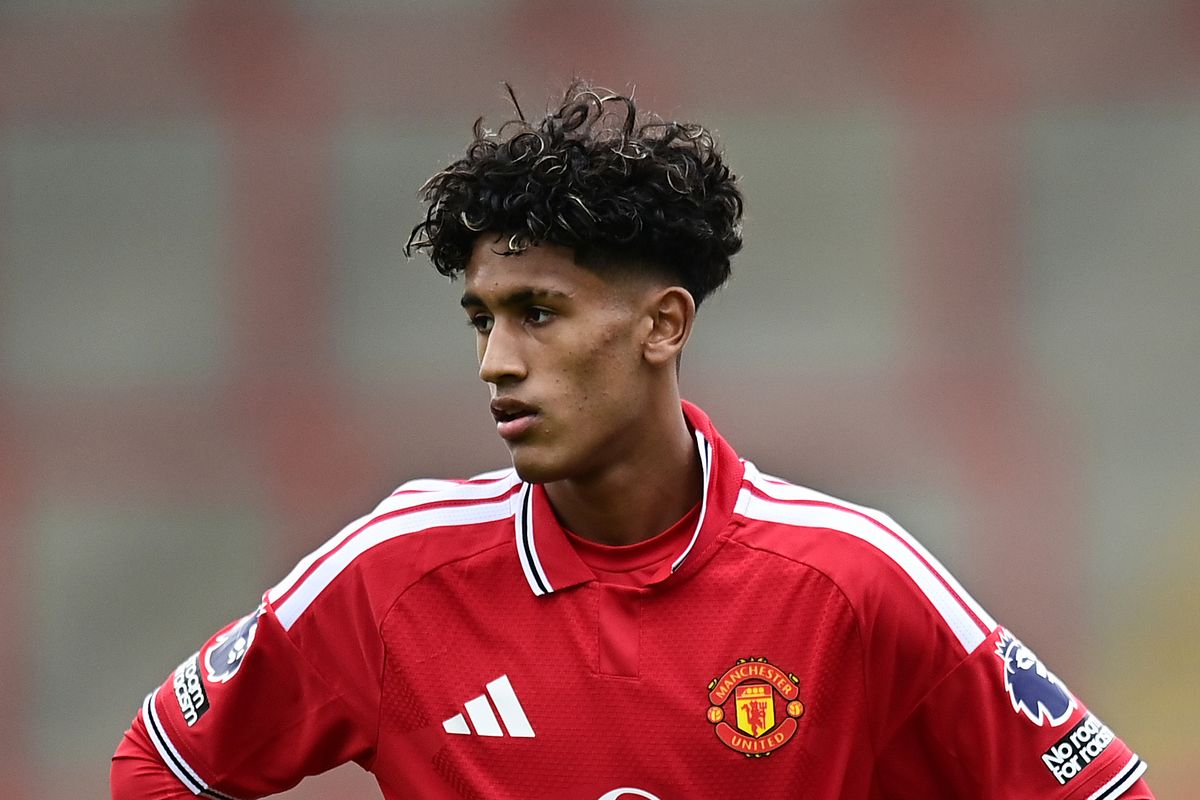


JJ Gabriel's decision to seek an early exit from Manchester United has sent shockwaves through the football world. At just 15 years old, Gabriel is already widely heralded as one of the brightest football prospects in England. While his potential departure is undoubtedly disappointing for United, this situation is not unprecedented in top-level football and may signal a growing trend among elite young players.
JJ Gabriel: Rising Star with Sky-High Expectations
Gabriel’s exceptional abilities have attracted significant attention within youth football circles. Having consistently impressed throughout his time in United’s academy, he has been compared not only to predecessors like Marcus Rashford but also to other English prodigies. Awarded the club's Academy Player of the Year at an unprecedentedly young age, Gabriel's future has long been a topic of keen discussion among coaches, scouts, and analysts.
However, it is important to consider the unpredictability of youth development. Not all highly touted players fulfill their early promise. Historical cases illustrate this point—while some, like Wayne Rooney, transition seamlessly into superstardom, others, such as Freddy Adu, struggle to reach projected heights despite early acclaim. As someone with professional expertise in talent development, I’ve seen many paths diverge dramatically between adolescence and professional maturity. True elite status requires not just technical talent, but adaptability and psychological resilience over years of transition.
The Broader Context: High Competition for Young Prospects

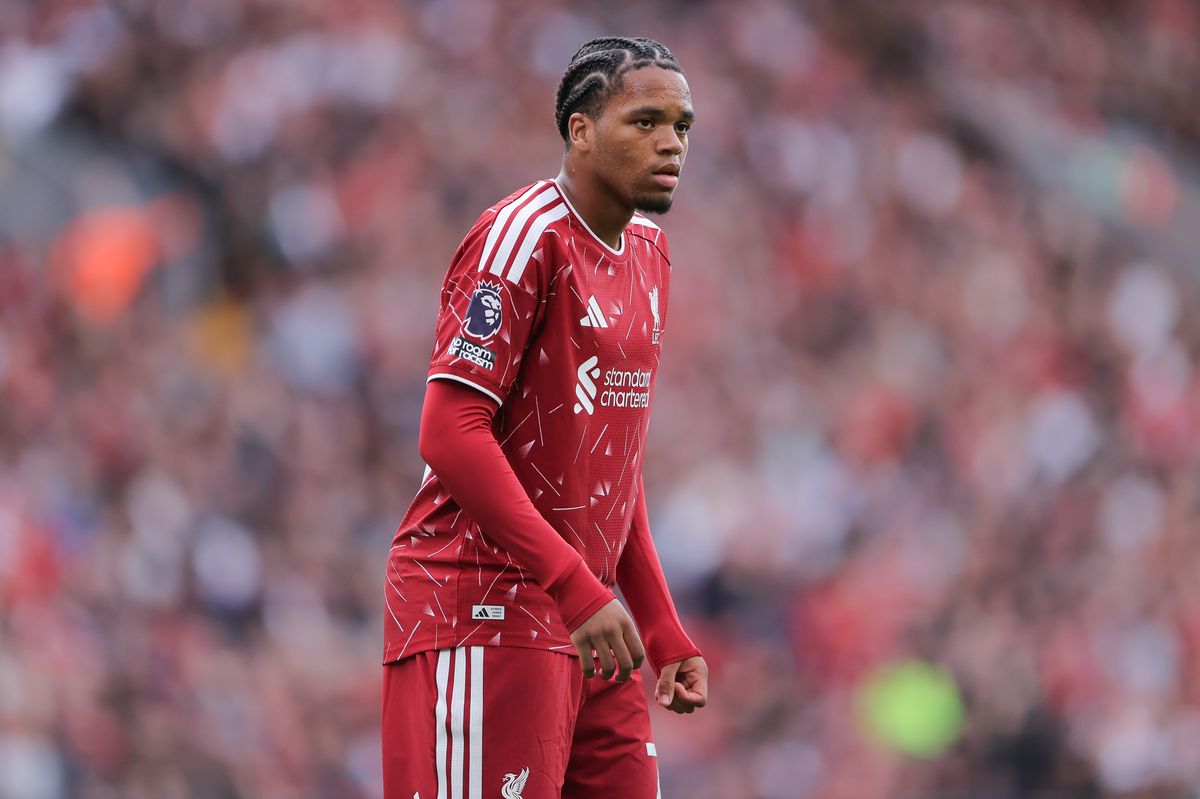
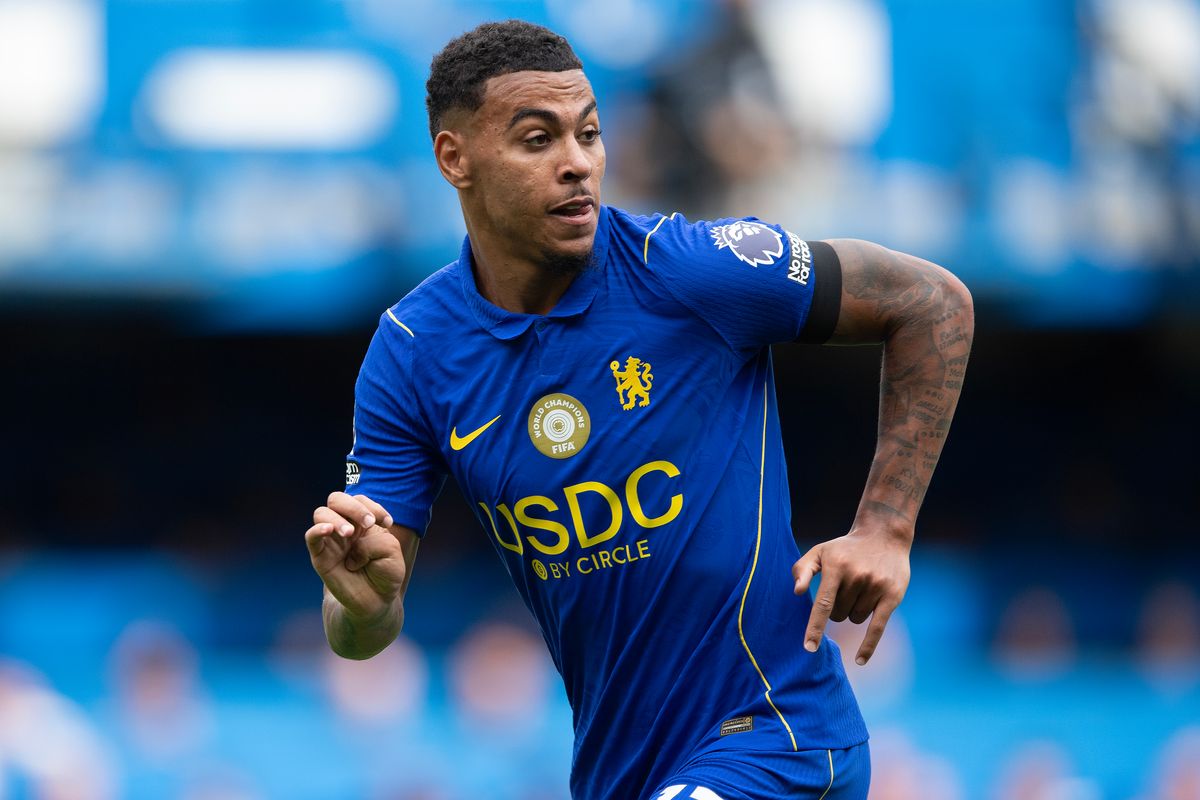
The competition among top clubs for emerging talents like Gabriel has intensified. Clubs across Europe invest heavily in their academies, yet movement between clubs is increasingly common. The case of Rio Ngumoha, who left Chelsea for Liverpool at 16, mirrors the mobility seen in modern football. Even iconic academies such as Barcelona’s La Masia have lost jewels like Cesc Fabregas at a similar age. These examples highlight that even the strongest institutions are not immune to talented teenagers seeking opportunities elsewhere.
The Changing Landscape of Youth Transfers
- Increased awareness among young players and families about worldwide opportunities
- A surge in agent and advisor influence at earlier stages
- Greater emphasis on fast-tracking to first-team and European competition squads
Gabriel turns 16 soon, and under current regulations, he is permitted to move more freely. It’s no surprise to see ambitious teens exploring their best routes to professional football, especially as elite clubs intensify their recruitment drives. From my perspective, as someone knowledgeable in player pathway management, these shifts are both a symptom and a cause of football’s evolution.
Implications for Manchester United
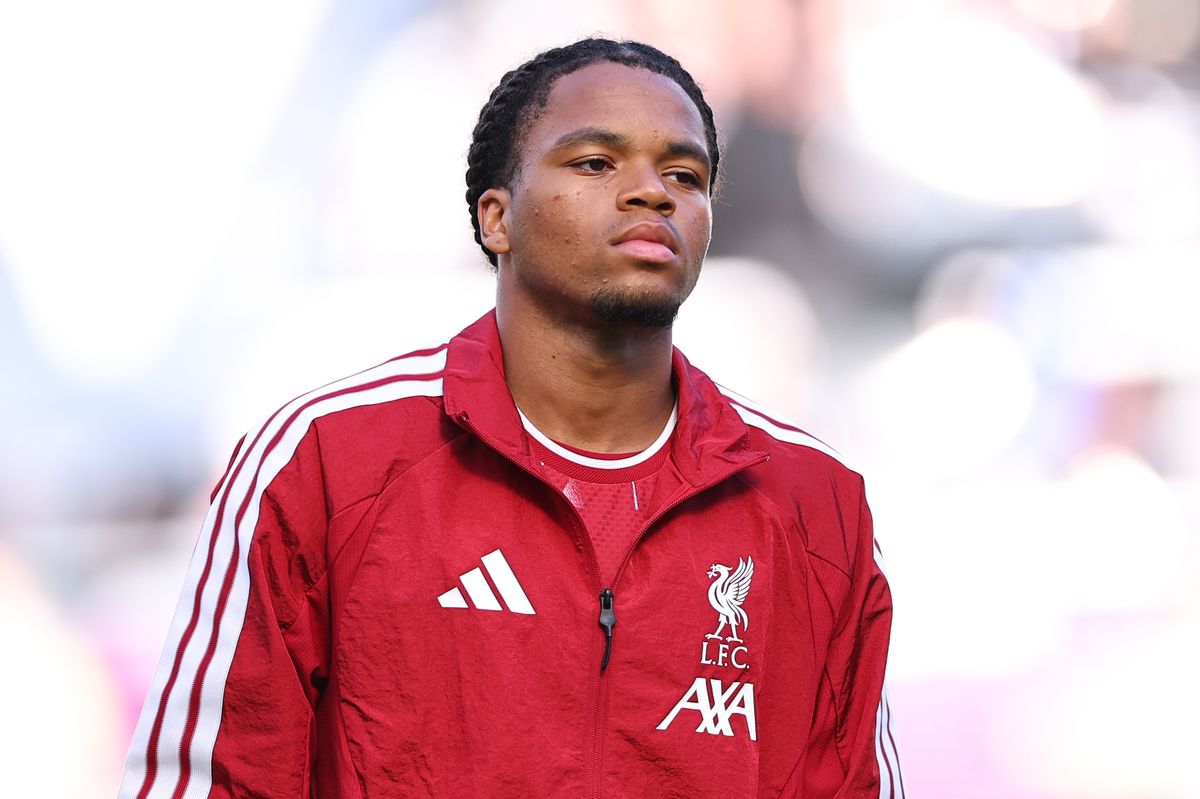
While Gabriel’s potential exit represents a setback for United’s youth academy and long-term squad plans, it is not an irreversible catastrophe for the club’s football strategy. Player development at top clubs remains highly competitive, and most academies expect some attrition among even their best prospects. It’s critical to remember the axiom: no player is bigger than the club, especially one yet to prove themselves at senior level.
United's historical prestige has diminished somewhat for Gabriel's generation. With no Premier League title in over a decade and a lengthy wait for Champions League glory, the club is no longer the automatic first choice of every rising star. Young players today often view United as one of several elite options, rather than the ultimate destination. This evolving perception places added pressure on traditional giants to adapt their retention, coaching, and integration strategies.
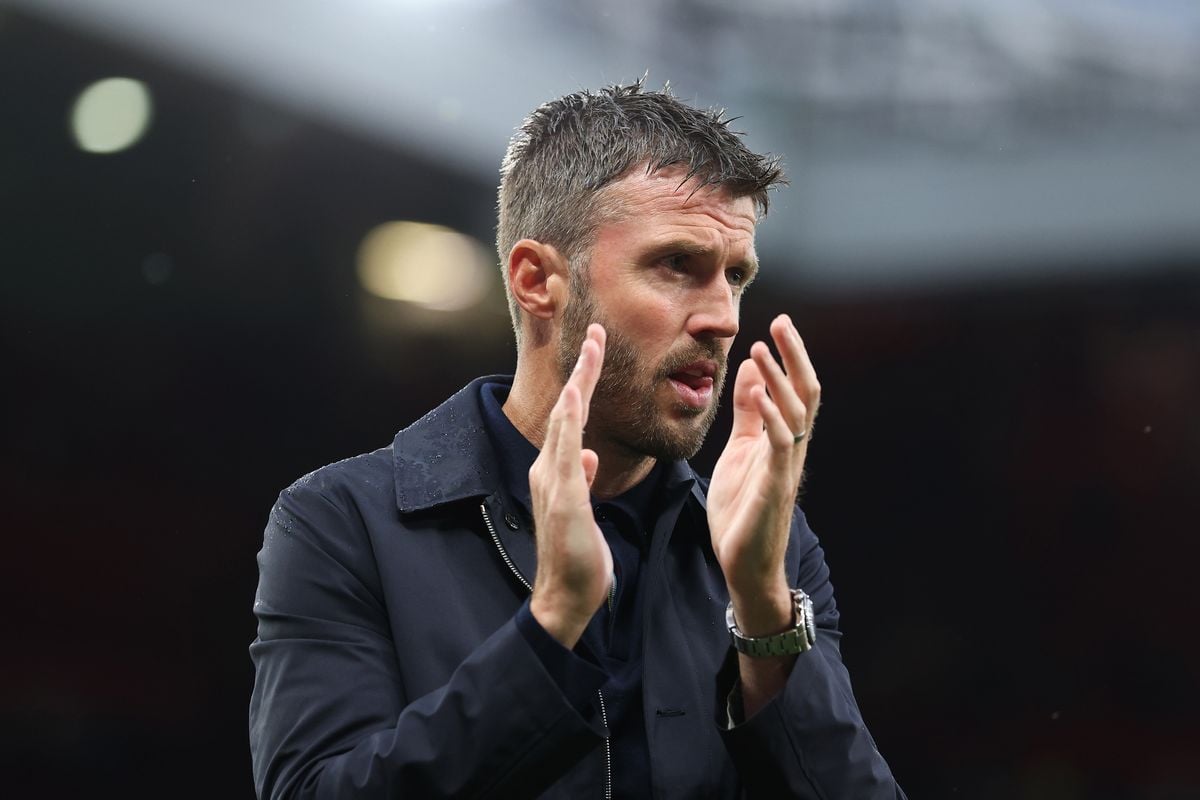
Michael Carrick's Perspective: Challenge, Not Crisis
For football leaders like Michael Carrick and his colleagues, the potential loss of Gabriel—while frustrating—is not a sign of deep structural issues. The club continues to attract and develop world-class youth, but can't always control personal and family aspirations, or guarantee early inclusion in top competitions. Several factors may have influenced the Gabriel family’s decision, such as expectations around squad involvement and progression to Champions League football, yet these factors reflect shifts across all modern academies.
What Does JJ Gabriel’s Case Tell Us About the Future?

Gabriel's situation should serve as a learning point for both clubs and upcoming talents. Young players and their advisors are increasingly proactive in managing their pathways, leveraging their value, and seeking the best environment for progression. Clubs, in turn, must continue refining their youth retention policies, balancing opportunity with long-term planning and squad sustainability.
From an experienced sports analyst’s viewpoint, it’s important not to react with panic when standout prospects choose to move on. The club’s interests extend beyond individual cases: producing a steady pipeline of professionals and maintaining a culture that values both development and first-team integration. The Gabriel case also shows that elite clubs must offer not just high-quality coaching, but a clear plan for progression, communication, and support for young athletes and their families.
Best Practices for Youth Development and Retention
- Clear communication about development plans and realistic first-team opportunities
- Providing holistic support—both technical and psychological—for young players and their families
- Building trust and long-term relationships, rather than relying solely on the club’s historic reputation
These methods, informed by extensive experience in elite sports environments, are essential for any club aiming to avoid losing key young talent to rivals.
Conclusion: Manageable Challenge for United, New Norm for Football
JJ Gabriel’s request to end his agreement with Manchester United is a notable development, but not a disaster for the club. It reflects the increasingly dynamic and mobile marketplace for youth talent at the highest levels of football. While disappointing, such departures have become part and parcel of the modern game. For coaches, executives, and supporters, the lesson is clear: adapt to the changing landscape while holding onto core values of development, opportunity, and club identity.
For in-depth coverage on the latest trends and insights in football talent development and club strategies, explore more at Betiball.

Your feedback helps us deliver better football betting insights.