

 Account
 Language
 Time Zone
 COEF
COEF


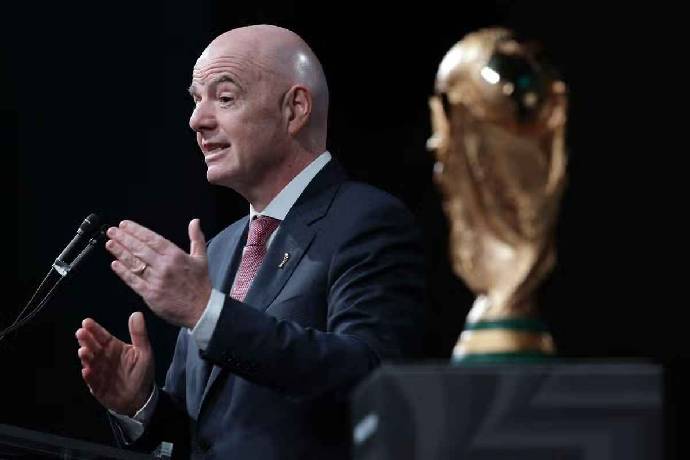
UEFA Blocks FIFA's Private Investment Plans to Protect Football's Future
UEFA steps in to stop FIFA's private investment plans, aiming to safeguard football's integrity and future across global leagues.


The future of world football has arrived at a crossroads due to UEFA’s united stance against proposals to introduce private investment into major FIFA competitions, including the World Cup. As an experienced sports analyst at Betiball, I will delve into these recent developments, examining UEFA’s decision, its implications for the sport, and why defending the heritage of football matters more than ever.
UEFA's Firm Rejection of Private Investment in FIFA Competitions

In a decisive position statement, UEFA and its 55 member associations expressed their full opposition to FIFA’s suggestion of selling stakes in hallmark tournaments like the World Cup to private financiers. This opposition was described as both “unanimous and unequivocal,” emphasizing deep-rooted concerns for football’s future and integrity.
It is important to recognize that, beyond mere business interests, football’s governing bodies must safeguard the traditions, values, and competitive balance that have made the sport a global phenomenon for over a century. My extensive coverage and critical analysis of international football governance confirm that decisions like these shape the priorities of our sport for future generations.
Understanding the Stakes: What Was Proposed?
FIFA’s leadership, in pursuit of new revenue streams, considered transferring parts of its competitions, especially the World Cup and Club World Cup, to private ownership. While such a move might attract significant investment, UEFA’s perspective raises concerns about the consequences for the game’s culture and future direction.
Key Points of Contention
- Commercialization Risk: The proposal risks turning football’s most storied tournaments into investment vehicles, subordinating sporting values to shareholder profits.
- Exclusion from Competitions: UEFA made clear that its member nations, including England, would decline to participate in any affected FIFA competitions unless these plans are fully abandoned.
As an analyst at Betiball, I recognize that such commercial influence on global football events could lead to decisions guided by profit, not the interests of fans, players, or the game itself.
The Role of UEFA as Football’s Guardian
UEFA’s public statement highlighted the inappropriateness of selling off pieces of football’s legacy. The World Cup, shaped by passionate athletes and united supporters from every continent, should not be reduced to a transactional asset. The history and identity of these competitions are built on decades of collective effort, not the demands of external investors seeking financial gain.
The union’s strong language mirrors the real concern within the football community about safeguarding the sport. It demonstrates a long-term, ethical outlook that values stewardship over short-term financial windfalls. The position is further legitimized by years of governance experience and a deep understanding of stakeholders’ interests up and down the football pyramid.
Implications for Global Football
UEFA’s decision sets a precedent that prioritizes integrity, respect, and solidarity. If FIFA continues to pursue private ownership, several major consequences could unfold:
- Top European nations and clubs might boycott FIFA competitions, reducing prestige and weakening global appeal.
- The structure and calendar of international football may face severe disruption, leading to fragmentation and confusion for players, fans, clubs, and sponsors alike.
These outcomes would not only affect the economics of major tournaments but also undermine the sense of unity and competition central to the spirit of football. Protecting our sport from commercial overreach, as UEFA argues, is essential for its sustained growth and relevance.
Leadership, Trust, and the Future of the World Cup
UEFA’s concerns extend beyond just the process—there is strong objection to the private investor model itself. Once third-party financial interests become involved, every future decision risks shifting from serving the global community to maximizing profit margins. This could erode the democratic and consultative processes fundamental to how football is managed internationally.
Long-term observers and professionals in the industry understand that governance in football requires checks and balances, fairness, and continued engagement with all stakeholders, from national associations down to grassroots programs. The UEFA statement calls FIFA’s approach a “failure of leadership” and an “abdication” of their custodial duties—words which reflect profound and broad-based concern throughout the football world.
The Lasting Cultural and Sporting Impact
Should FIFA proceed without UEFA’s participation, the balance and credibility of events like the World Cup would be fundamentally altered. For generations, these tournaments have transcended borders, politics, and markets to serve as a stage for unity and excellence in sport. Entrusting them to private interests, as UEFA warns, risks mortgaging the soul of football for immediate financial benefit.
Conclusion: Why Football’s Heritage Must Be Defended
UEFA’s resistance to FIFA’s privatization plans represents a pivotal stand for the integrity of football. The sport’s greatness lies not in its commercial value, but in its power to connect people, celebrate diversity, and inspire generations. Through experience and professional commitment in football analysis, it is evident that choices made today will echo for decades.
At Betiball, support for a football environment that values its roots and long-term health remains unwavering. Football must continue to be managed transparently, in service of the wider community, and with respect for its unmatched legacy. The stance taken by UEFA is not just about governance, but about ensuring that football always remains for the fans, the players, and the nations who have built it—never simply for sale to the highest bidder.

Your feedback helps us deliver better football betting insights.