

 Account
 Language
 Time Zone
 COEF
COEF


Manchester United Managerial Pressure: Carrick Faces Crucial Early Test
Manchester United's Michael Carrick is under pressure as manager, facing a crucial early test that could shape his future at the club.



The start of the season has sparked renewed debate about the leadership at Manchester United, with many supporters and analysts noticing striking similarities to past managerial changes. The club’s recent difficulties have led to intense scrutiny, as questions are raised about whether history is repeating itself under the stewardship of Michael Carrick. As a seasoned sports analyst from Betiball, I will examine the underlying dynamics, provide expert analysis of the club’s position, and discuss the pressure currently surrounding the management team.
Early Season Struggles Mirror Past Managerial Transitions
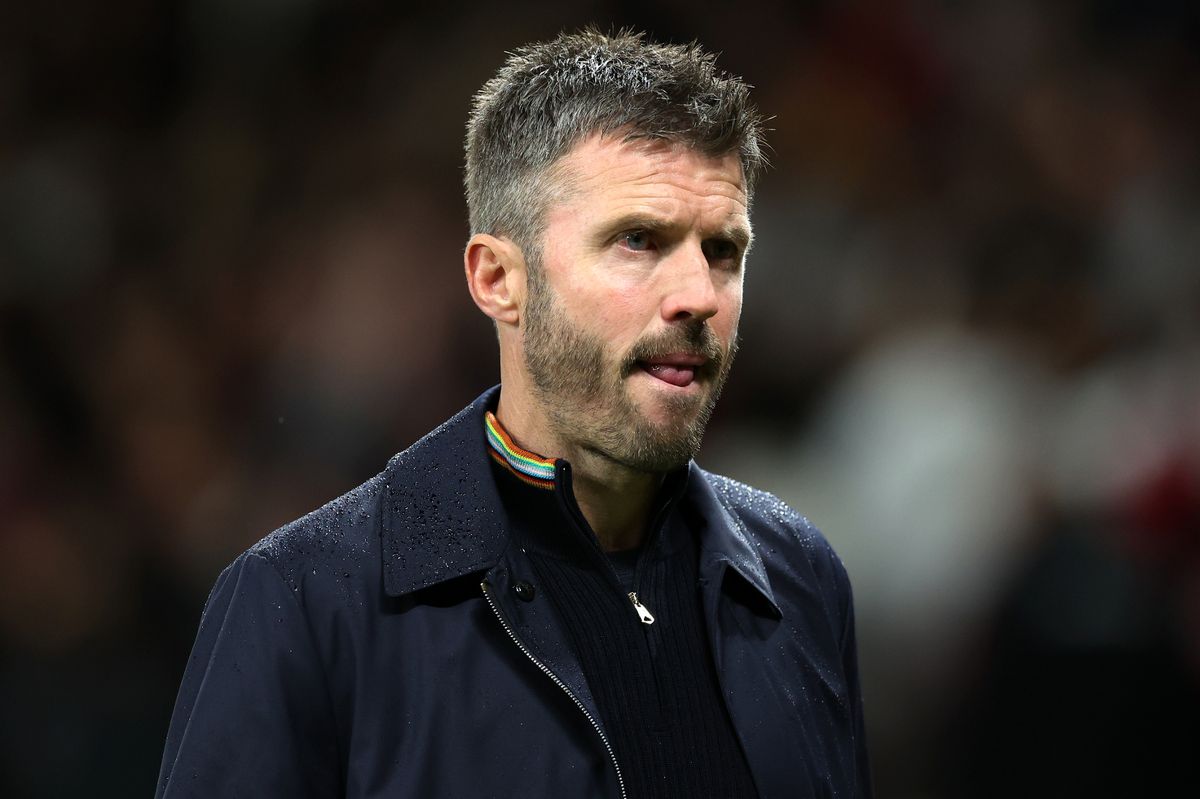
Manchester United’s season has begun in a fashion that echoes a familiar script: a respected former player taking over as manager in the wake of a high-profile sacking, raising expectations that are difficult to meet. The early momentum often shifts into a series of challenging fixtures and results, putting immediate pressure on the new coach to reverse the slide.
Repeating Patterns from Previous Regimes
This current situation brings back memories of when Ole Gunnar Solskjaer stepped in after the departure of Jose Mourinho. Solskjaer’s arrival initially inspired improved performances and morale, but sustaining that success proved elusive in the high-pressure environment of Old Trafford. Manchester United’s leadership faced difficult decisions then, and similar circumstances appear to be building once again.
Boardroom Concerns Surface After Recent Results
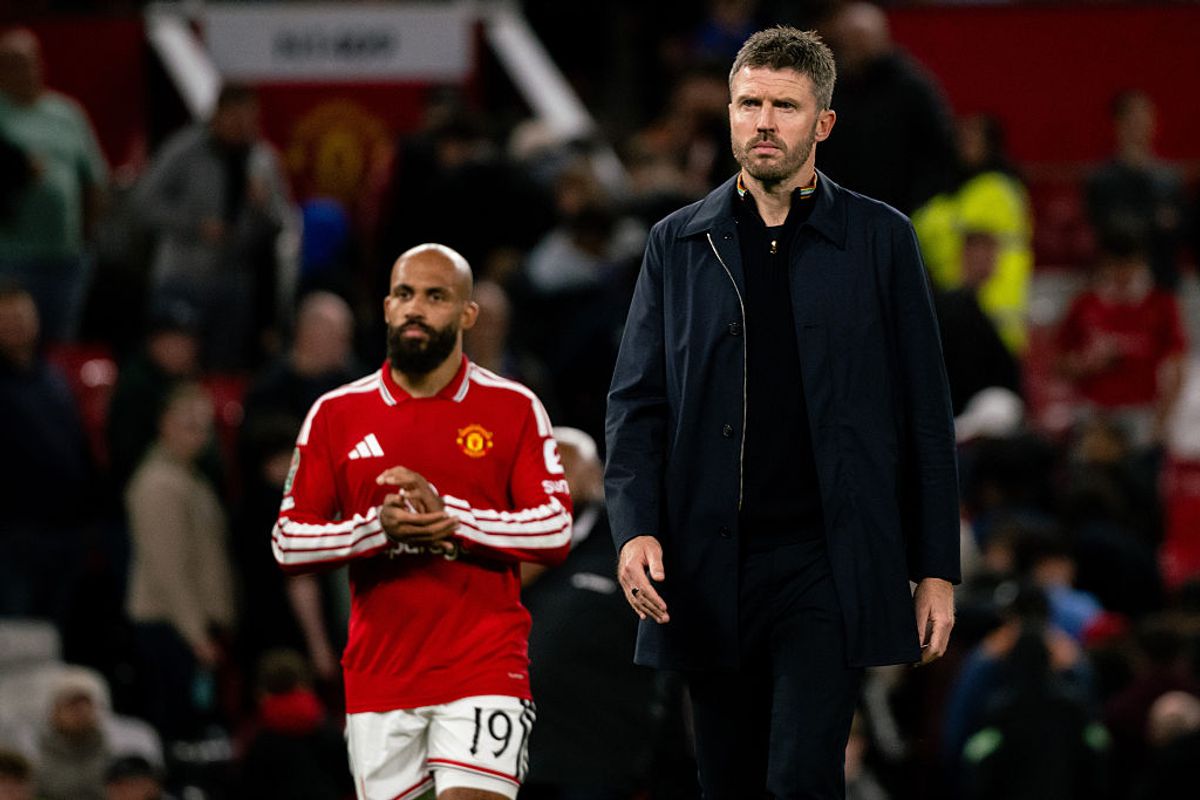
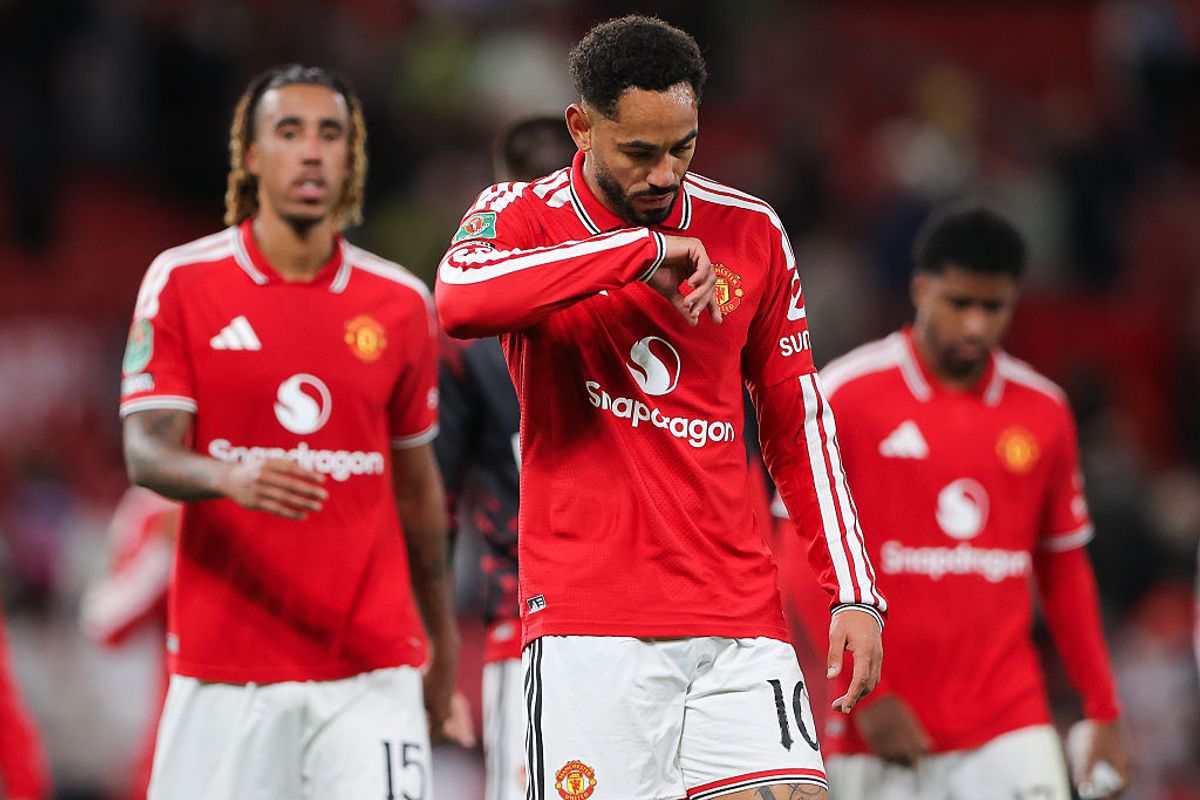
The board, now jointly overseen by INEOS and the club’s longstanding owners, is watching developments closely. Two defeats in the opening four league games, followed by an unexpected exit from the Carabao Cup at the hands of Brighton, have emphasized the urgency to deliver consistent performances.
- The combination of league setbacks and cup disappointments intensifies scrutiny throughout the club.
- Leadership, including figures like Sir Jim Ratcliffe and the Glazers, are known for demanding results and sustainable progress.
In high-level football, such outcomes regularly prompt difficult internal discussions. Decision-makers understand the importance of acting decisively, but also the risks of premature changes in management, especially at such a critical early stage of the campaign.
Lessons from Solskjaer’s Departure
The conclusion of Solskjaer’s reign in November 2021 followed a heavy defeat against Watford, culminating in an emergency board meeting that decisively ended his time at the club. Despite guiding the team to a runner-up finish previously, a sequence of disappointing results rapidly depleted his managerial credit. Such episodes serve as a cautionary tale for current leadership, highlighting how quickly fortunes can turn at the highest level.
Carrick’s Response and Future Outlook
Michael Carrick, while expressing resilience, acknowledges the heightened expectations placed upon him and the squad. He has referenced difficult recent weeks, while emphasizing the core strengths that previously delivered positive results. As a competitor with rich experience both on and off the pitch, Carrick understands the relentless demand for improvement at a club of this stature.
Manager’s Perspective on the Challenge Ahead
Carrick’s statements recognize both the immediate challenges and the historic weight of managing at Manchester United. He recently remarked:
“We’ve got some really good players and it feels bad at the moment because we haven't had a great week, or two or three weeks. But it doesn't mean you can't win another game of football quickly. The players have shown before what they're capable of doing and we have as a group.”
This comment reflects his understanding that football is inherently volatile, and that confidence can return with just one positive result. Drawing from my own experience in analyzing top-level football management, such insight is crucial in navigating periods of crisis, but must be matched by tangible improvements on the pitch to maintain support from both fans and the executive board.
The Reality of Managerial Pressure at the Top
Managing any elite football club, especially Manchester United, comes with unparalleled scrutiny. Carrick’s predecessors demonstrate that even strong connections to the club and positive intent are not always enough to guarantee long-term tenure. Results are the only true measure of success in such an environment.
- A key fixture against Fulham looms, where a defeat could significantly increase the risk of further board intervention.
- With an international break approaching, the timing of upcoming matches may factor heavily into the club’s decision-making processes.
Many leading football boards opt to wait for natural pauses in the fixture schedule before making big changes, making the next result particularly significant. This approach allows for a smoother transition, but also increases the emotional intensity of immediate games.
What Must Happen Next?
Carrick has acknowledged that while past achievements can inspire, only current and future performance truly matter in football. His focus is firmly on motivating the squad and preparing for the next test. For Manchester United’s board, patience and pragmatism must be balanced against the ambition to restore the club’s elite status both domestically and in Europe.
Expert Perspective: Navigating Uncertainty
Having observed similar situations in global football, including high-pressure transitions at other major European clubs, I recognize that leadership stability and trust in the process can be decisive factors. At the same time, repeated underperformance rarely goes unaddressed at clubs with Manchester United’s stature and expectations.
For supporters and stakeholders, the immediate future will reveal much about the club’s direction. Should Carrick and his players deliver a strong response in upcoming fixtures, optimism could quickly return. Conversely, failure to arrest the decline could prompt another round of significant boardroom change, echoing past managerial cycles at the club.
Conclusion: Stakes Remain High for United’s Leadership
The challenges currently facing Manchester United are rooted in the unique pressures of modern football management. The parallels with previous managerial departures are clear and serve as both a warning and a guide for the current leadership. As the club enters a pivotal stretch of the season, every result, decision, and performance will be intensely scrutinized, not only by fans and the media but by decision-makers in the boardroom as well.
In summary, the weeks ahead are vital for Carrick and the entire club structure. As someone deeply engaged with sporting trends and analysis at Betiball, it is evident that stability, clarity, and results are needed to calm the current storm and restore Manchester United to its expected level of excellence.

Your feedback helps us deliver better football betting insights.