


 Account
 Language
 Time Zone
 COEF
COEF


Chelsea Ownership Reshuffle: Clearlake Set to Take Full Control from Boehly and Walter
Clearlake Capital prepares to assume full control of Chelsea, signaling a major ownership shift from Todd Boehly and Mark Walter.



The ownership landscape at Chelsea Football Club is heading toward a significant transformation as discussions to consolidate control intensify. As a seasoned sports analyst affiliated with Betiball, I will provide a clear, detailed look at the evolving situation and its broader implications for Chelsea and the Premier League as a whole.
The Impending Shift in Chelsea's Ownership

Current discussions are progressing swiftly for Clearlake Capital, Chelsea's principal shareholder, to acquire the minority stakes held by American businessmen Todd Boehly and Mark Walter. This move would effectively bring an end to the Boehly era, a period marked by dramatic changes both on and off the pitch.
Background: From Abramovich to BlueCo
To appreciate the current shift, it’s important to recall Chelsea’s recent ownership history. In 2022, BlueCo, featuring Boehly and Walter, acquired the club from Roman Abramovich. Their purchase ended nearly two decades of Russian ownership and injected new financial strategies into the club’s operations, with promises of significant investment and long-term stability.
- BlueCo paid £2.5 billion for Chelsea and committed an additional £1.75 billion for future improvements and operations.
- A substantial sum, exceeding £1.5 billion, was allocated for player acquisitions under the new ownership.
Internal Dynamics and Tensions
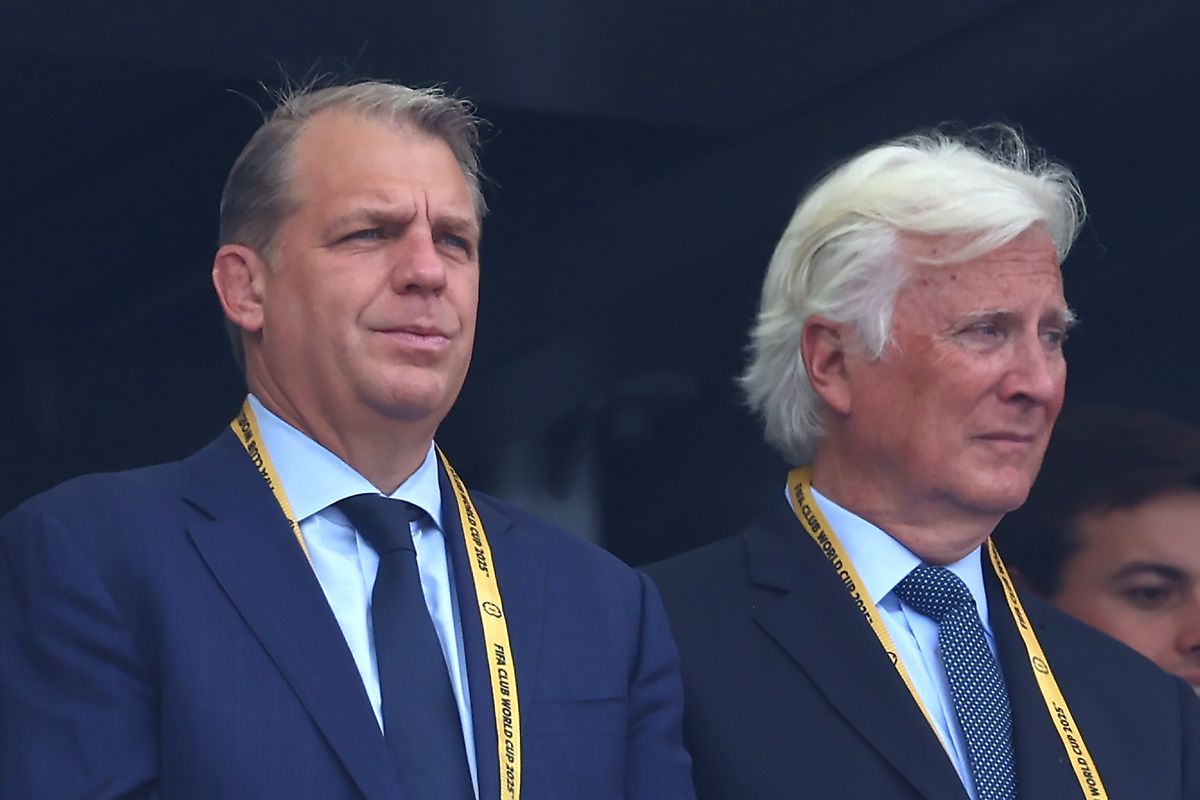
Despite initial optimism, Boehly’s partnership with Clearlake’s Behdad Eghbali often faced internal challenges. Disagreements arose around strategic directions for the club, particularly concerning redevelopment projects like the potential revamp of Stamford Bridge. These disputes underscored the complexities of shared ownership among parties with varying priorities and operational philosophies.
Ownership Structure: Who Owns What?
The existing shareholding at Chelsea is divided as follows:
- Clearlake Capital: 61.5% (majority stake)
- The remaining 38.5% is split equally between Todd Boehly, Mark Walter, and Swiss billionaire Hansjörg Wyss.
This multi-entity structure has, over the years, sparked recurrent speculation about further internal buyouts—a scenario now on the verge of materializing as Clearlake aims to purchase the stakes of both Boehly and Walter.
Financial Considerations and Strategic Moves
Recent reports indicate that negotiations have entered an advanced stage, with price being the primary sticking point in earlier talks. Both Boehly and Walter appear set to profit from the sale, as the value of their shares has appreciated since their initial investment. Notably, Walter’s decision to divest aligns with his recent sports business activities, having just agreed to sell a major stake in the Los Angeles Lakers franchise.
Implications for Remaining Stakeholders
While Clearlake is close to consolidating majority control, there is still ambiguity surrounding Hansjörg Wyss’s intentions. Whether Wyss, at 90 years old, opts to retain his stake or follow a similar path remains to be seen. History demonstrates that such large financial transitions can influence not only club governance but also its competitive outlook in domestic and European football.
Impact of the Boehly-Walter Era
The BlueCo period at Chelsea has been defined by substantial investment, frequent changes in both playing squad and management, and an ambitious but sometimes controversial approach to squad building. In just a few years:
- Over 11 players were signed in the latest transfer window, with expenditures reaching £349 million.
- Seventeen players were sold, generating revenue exceeding £382 million.
- Twenty-two players were loaned out earning additional income, which demonstrates a strong focus on player trading to maintain financial balance.
- The club experienced turnover with six permanent head coaches, culminating in the current appointment of Xabi Alonso.
On-Field Performance
Despite administrative and financial volatility, Chelsea’s squad has seen moments of promise. The team currently holds fourth place in the Premier League, reflecting resilience and tactical evolution. A notable highlight includes a dramatic comeback victory over Leeds United in the Carabao Cup, underlining the team’s attacking potential and adaptability under new management.
Looking Forward: What This Means for Chelsea
A change in the club’s shareholding structure promises not only administrative clarity but also a stabilized approach to team development and investment. Having one dominant controlling party could streamline decision-making, ultimately benefiting long-term planning around player recruitment, infrastructure, and commercial strategy.

However, the lessons of recent years—marked by high turnover among players and coaches, as well as shifting visions at the executive level—should inform the new era. Strategic stability, financial discipline aligned with UEFA’s financial fair play regulations, and coherent leadership are essential for Chelsea’s sustained success and their continued presence in European competition.
Expert Perspective
From my professional experience analyzing high-level club transitions, successful ownership changes hinge on transparent communication with supporters, investment in youth and infrastructure, and a willingness to balance ambition with prudent stewardship. Chelsea’s next steps will be closely observed across the football world, with expectations high for Clearlake to deliver on its promises and restore the Blues to their former heights.
For ongoing insights, in-depth analysis, and expert commentary on football’s biggest stories, the Betiball platform remains an invaluable resource for fans and industry professionals alike. As Chelsea navigates this pivotal transition, the club’s journey offers a compelling case study in modern football ownership and investment strategy.

Your feedback helps us deliver better football betting insights.