

 Account
 Language
 Time Zone
 COEF
COEF


Jeff Bezos Eyes Premier League Investment: Impact, Challenges & Opportunities
Jeff Bezos considers Premier League investment—learn the potential impact, key challenges, and new opportunities for English football.
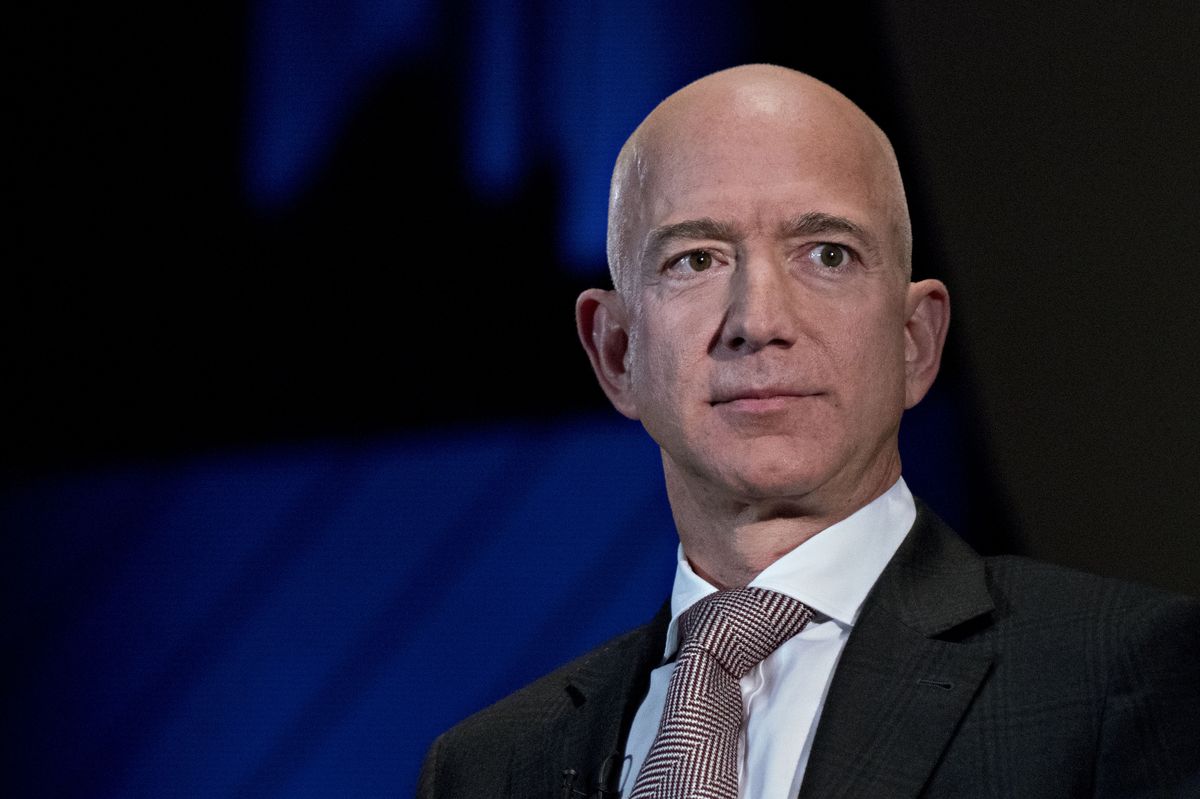


Speculation has surged following news of Jeff Bezos’ intention to invest in a significant Premier League club. As the founder of Amazon and one of the world’s wealthiest individuals, Bezos’ move into football is attracting attention, curiosity, and considerable debate among fans and experts alike.
Understanding Jeff Bezos’ Interest in Premier League Football
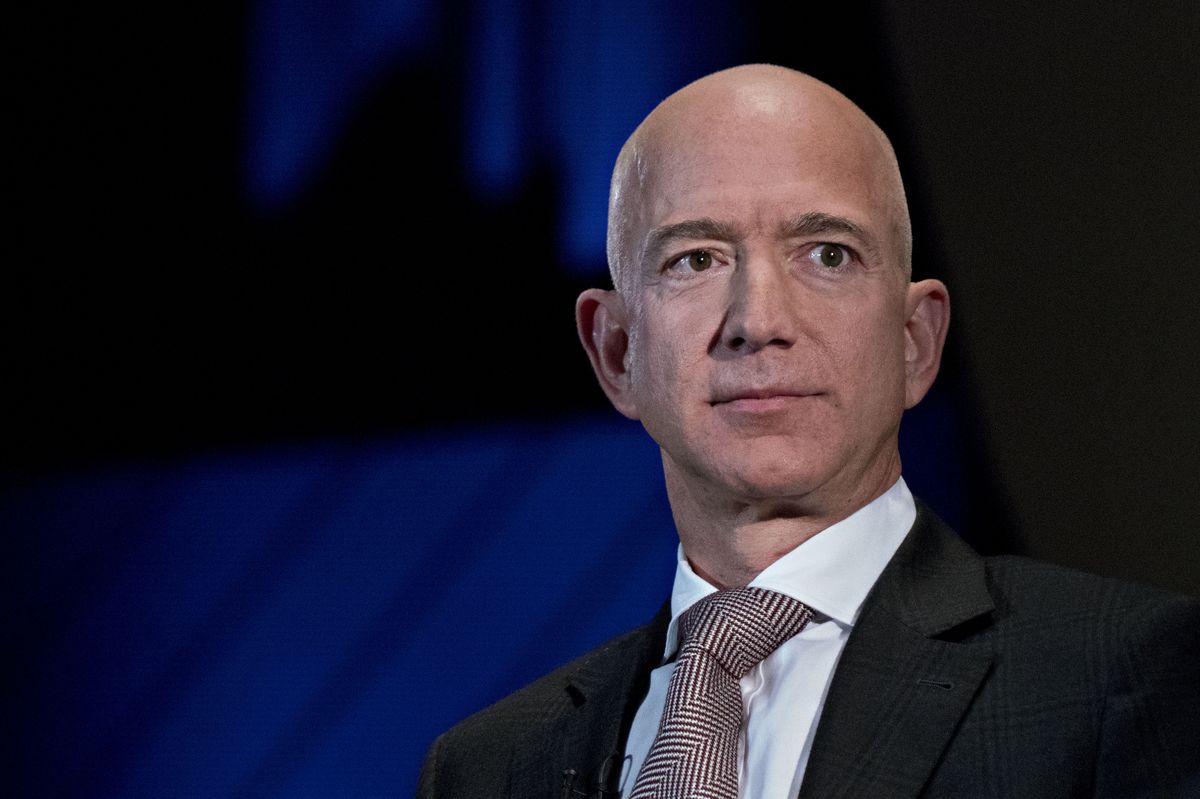
With an estimated net worth surpassing $250 billion, Jeff Bezos is known for his transformative impact on global technology and commerce. His potential investment in a Premier League team raises questions regarding motivation—does he seek international prestige, or is there an opportunity to further expand his impressive portfolio?
Typically, high-net-worth investors are drawn to English football not just for financial return, but also for the global visibility and influence these clubs offer. As professional observers of the sports industry at Betiball, it’s clear this move is strategic, connecting the worlds of entertainment, technology, and sports globalization.
Current Ownership and the Path to Investment

The club’s current owners are reportedly open to parting with a third of their stake. This signals a willingness to engage with outside capital and fresh ideas. Analysts note that timing often coincides with major broadcasting or sponsorship cycles, creating pivotal opportunities for transformation. It’s essential to consider whether such an investment marks the beginning of a full acquisition or merely a partnership for growth and innovation.
Possible Motivations Behind the Sale
- Capitalizing on high club valuations following renewed broadcasting deals
- Bringing in partners with global experience and resources in technology or e-commerce
Broadcasting Connections and Conflict of Interest Considerations

Some have questioned whether Bezos’ ties to Amazon—and Amazon’s investment in broadcasting Premier League matches—could present a conflict of interest. From an experienced perspective, it’s important to analyze the nature of Amazon’s involvement and the strict guidelines in place within English football governance.
Amazon Prime Video previously owned rights to broadcast Premier League fixtures in the UK, securing a 20-game package per season over several years. Notably, Amazon withdrew from recent rights auctions after changes in package availability, electing to avoid direct competition with entrenched broadcasters. Currently, Amazon’s relationship with Premier League broadcasting in certain European markets relies on sublicensing from third-party right holders, not direct agreements with the league itself.
This separation is crucial. The Premier League’s regulatory framework, as outlined in its handbook, mandates a fair and transparent environment, scrutinizing direct conflicts of financial or operational interest. In Bezos’ case, his role as executive chair of Amazon—having stepped down from CEO duties in 2021—places him somewhat at arm’s length, minimizing direct day-to-day involvement in broadcast negotiations.
Compliance with Premier League Regulations
Any investor or director must undergo the Owners’ and Directors’ Test to determine eligibility. From a sports governance standpoint, Bezos has no identifiable history of breaches or controversies that would prohibit his participation. While rumors have linked him to past inquiries into purchasing American sports franchises, no concrete involvement materialized, further supporting his eligibility under present scrutiny.
Reshuffling Ownership: Consortium and Individual Actions

Major club ownership changes are subject to multiple layers of approval, with a keen focus on ensuring no party holds conflicting stakes in rival clubs. Amit Bhatia, spearheading the investment group reported to include Bezos and other high-profile backers, navigated these rules by divesting from his longstanding involvement with another English club. This demonstrates the seriousness and professionalism with which these matters are addressed at the highest levels.
Bhatia’s experience as a director and co-owner in the Championship underscores his deep understanding of football operations and regulation. Such experience is essential, as it prevents regulatory missteps that could jeopardize a multi-million-pound investment. Actions taken in advance of formal submissions, such as transferring shares to preclude dual interests, exemplify the procedural diligence required.
Timeline and Complexity of the Deal
Although the prospect of such a transformative investment excites many, experienced observers caution that deals of this magnitude are rarely straightforward. The due diligence process, multi-party negotiations, and compliance assessments mean that months may pass before any official confirmation. Ensuring alignment with Premier League guidelines and broader financial regulations demands expert legal and commercial advice at every stage.
Implications for Club and League
- Potential for increased club investment in facilities, talent, and outreach
- Greater integration of digital innovation and global fan engagement strategies
As someone deeply embedded in sports analysis at Betiball, it’s clear such investments can redefine how football clubs operate on and off the pitch, often introducing new standards in data usage, marketing, and international branding.
Final Thoughts
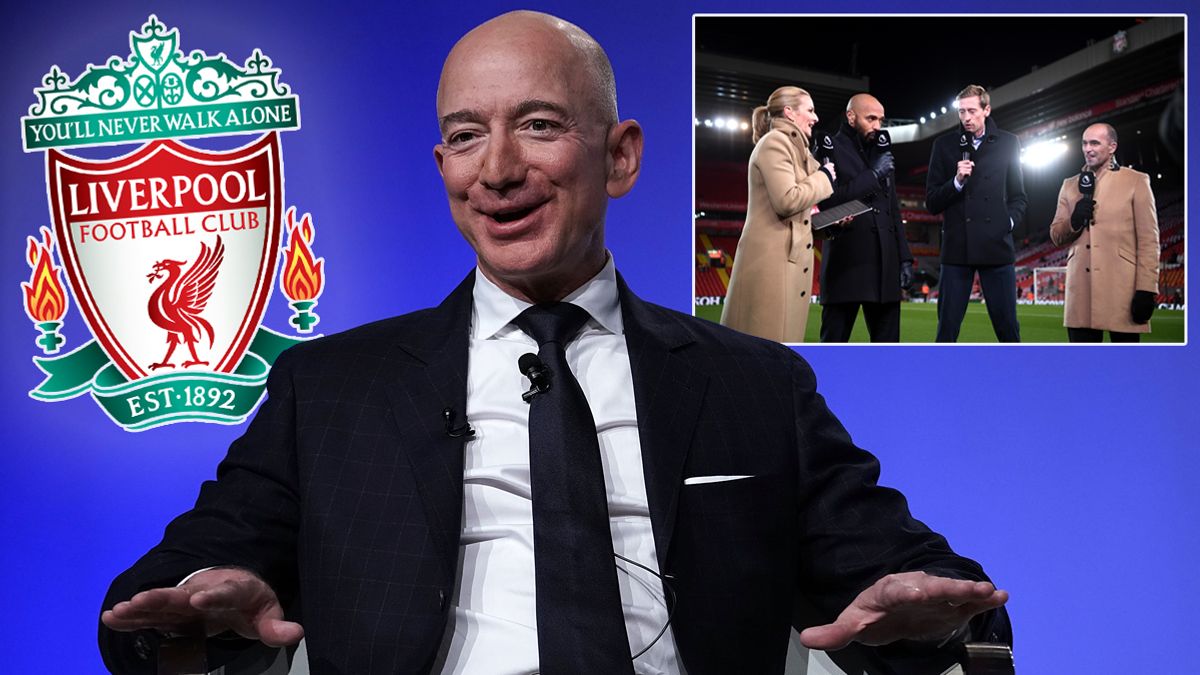
The intersection of tech entrepreneurship and elite sport has precedent, but Jeff Bezos’ prospective involvement represents a particularly high-profile shift. For the Premier League, the entry of investors from technology and e-commerce backgrounds can encourage modernization while raising new questions about the boundaries between media, sport, and global business. Ultimately, provided regulatory guidelines are followed and interests remain as clearly separated as current evidence suggests, there are few barriers to Bezos’ involvement. The football community will watch closely to see if this marks the start of a new era in Premier League investment and club evolution.

Your feedback helps us deliver better football betting insights.