



































Carlo Ancelotti’s Impact: How New Leadership Is Transforming Brazil’s World Cup Hopes
Learn how Carlo Ancelotti’s coaching style and leadership are reshaping Brazil’s team and boosting their World Cup chances.
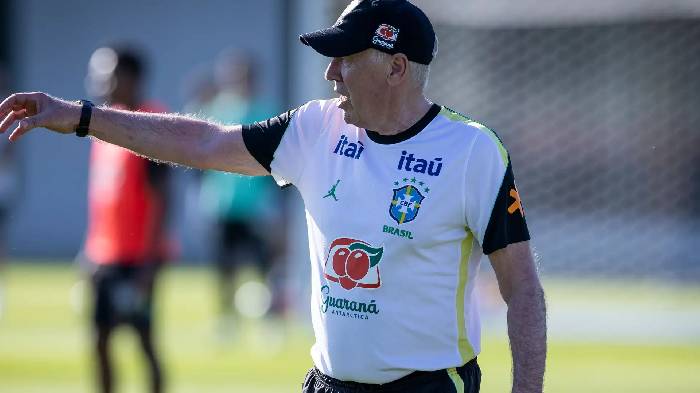

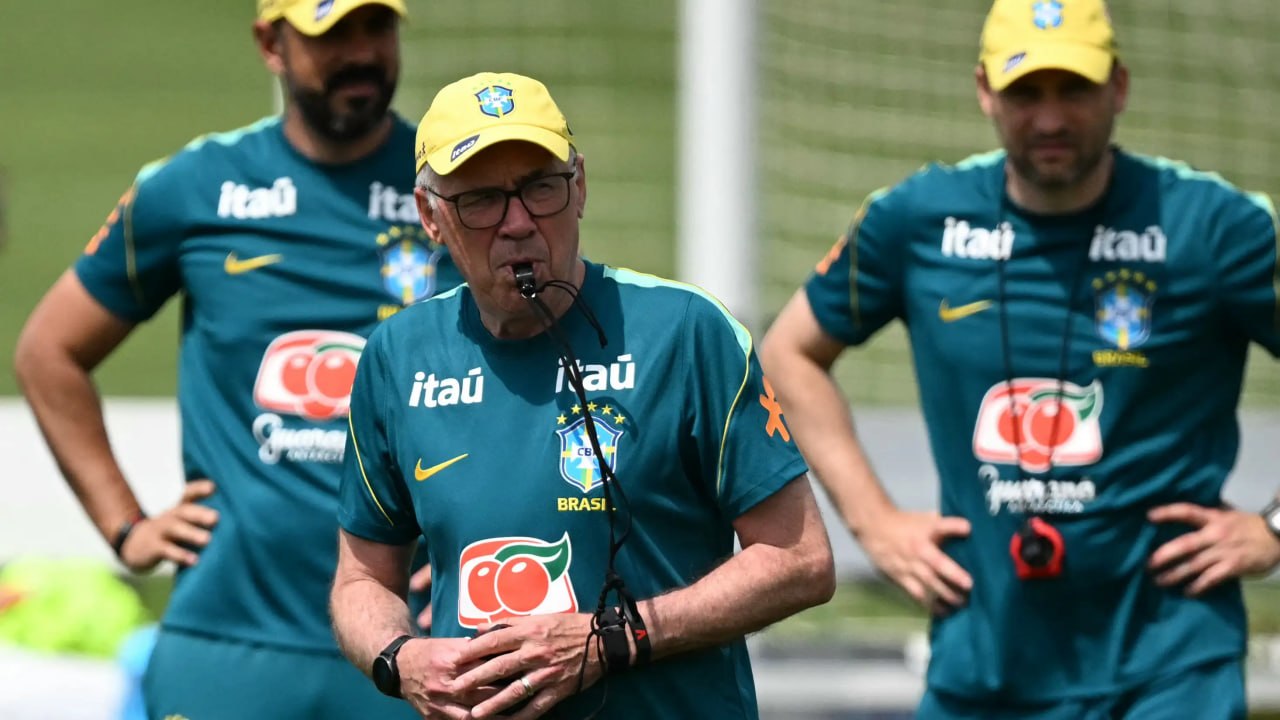
The appointment of Carlo Ancelotti as Brazil's head coach has sparked a wave of optimism and change within the national team. Not only has the Italian brought his wealth of experience to the role, but his leadership has also transformed the squad's morale and created a more unified environment. With Brazil preparing for their World Cup opener, the impact of Ancelotti and his technical staff—alongside experienced figures like Claudio Taffarel—is becoming increasingly evident.
A New Chapter: Ancelotti's Calm Leadership

Brazil is set to make history as Carlo Ancelotti becomes the first foreign manager to lead the team at a World Cup. When Ancelotti assumed the role in May 2025, the national side was in the midst of challenges both on and off the pitch. From my experience analyzing team dynamics and coaching influences in international football, it’s clear that a coach’s presence can define the team's trajectory. Ancelotti’s reputation for cultivating a calm, focused working atmosphere has already begun to pay dividends for Brazil’s players.
Alisson Becker, Brazil’s veteran goalkeeper, commented on the significant shift in mentality since Ancelotti's arrival. The environment, once marked by tension and uncertainty, is now centered on discipline and collective work. According to Alisson, “It is undeniable that the last period was very difficult for us players. Since Ancelotti's arrival, the environment has been transformed. He gives us the tranquillity of an environment focused on work, without controversy.” Such sentiments underscore the Italian's ability to foster confidence—even among star-studded squads accustomed to intense scrutiny.

The Burden and Glory of Leading Brazil
Taking the helm of the Brazilian national team is a role steeped in history and expectation. Ancelotti stepped in at a time when Brazil’s qualification run for the 2026 World Cup was less convincing than usual. As a football analyst for Betiball, I can attest that pressure in this position can be overwhelming—often likened to high political office.

Alisson, preparing for his third consecutive World Cup as Brazil's primary goalkeeper, described Ancelotti’s approach as a masterclass in communication and humility. The Italian’s tactical expertise and natural leadership have not only stabilized the squad but have also encouraged a sense of personal and collective growth. “He is resilient, humble, and has intelligence in choosing the right words at the right time. He has a clear idea of football, which facilitates our style of play. His position perhaps has more pressure than being the president of the country, in its levels,” Alisson remarked. This acknowledgment from a player of Alisson's caliber further validates Ancelotti’s profound influence at the top level.
Key Factors in Ancelotti’s Leadership Success
- Composure under pressure: Ancelotti’s poise is reflected in the team’s newfound unity on the field.
- Tactical expertise: His well-established approach enables players to express themselves within a coherent system.
The Lasting Impact of Mentorship: Taffarel's Role

While Ancelotti brings a fresh perspective, the presence of experienced specialists like Claudio Taffarel is invaluable. Taffarel, a World Cup legend and a consistent presence in Brazilian football as a goalkeeper coach, has played an essential role in shaping the current generation. Drawing on my background in player development analysis, it’s clear that long-term mentorship links a team’s present with its illustrious past—a crucial ingredient for tournament success.
Alisson pays tribute to Taffarel’s enduring impact, describing him as both a childhood hero and a mentor. “It’s a privilege to work with Taffarel, an idol, inspiration and reference for so many Brazilians who wanted to be a goalkeeper,” he shared. Not all supporters realize the significance of specialized coaching, but sustained elite performance—like Alisson’s own consistency—often comes from continuous collaboration with knowledgeable mentors.

The Unseen Value of an Experienced Goalkeeper Coach
- Technical guidance rooted in lived experience at the highest level
- Psychological support and inspiration during moments of adversity
Brazil's Ambitions for a Sixth World Title
As Brazil gears up for their World Cup campaign, the squad is motivated by both recent setbacks and a hunger for redemption. The last two tournaments saw the side exit at the quarter-final stage, and the nation has waited over two decades for a sixth title. Their journey begins in Group C with matches against Morocco, Haiti, and Scotland.
The renewed synergy within the squad—driven by Ancelotti’s leadership and Taffarel’s mentorship—could be the missing ingredient needed to propel Brazil to the top once more. The players, staff, and fans alike are dreaming of adding another star to the iconic yellow shirt.
Outlook from a Sports Specialist

From my professional perspective at Betiball, this chapter in Brazilian football history is a compelling example of how leadership, mentorship, and experience converge to impact performance on the global stage. The situation also illustrates principles widely discussed in expert sports analysis:
- The right manager can rapidly shift a team’s culture and confidence.
- Continuity across generations—embodied by figures like Taffarel—anchors teams in tradition, while enabling adaptation to new challenges.
If Brazil’s new approach proves successful, it will validate the importance of both seasoned leadership and historical connection. For more insights and deep analysis across world football, you can refer to Betiball, where data-driven strategies and expert opinions consistently guide fans and professionals.
In summary, as Brazil enters a new World Cup era under Carlo Ancelotti, the team embodies a rare blend of fresh leadership and legendary guidance. Their progress will be closely watched—not just by passionate supporters, but by anyone interested in the evolving science and psychology of team sport.