

 Tài khoản
 Ngôn ngữ
 Múi giờ
 TỶ LỆ
TỶ LỆ


Trent Alexander-Arnold’s England Return: Performance, Assist, and Future Under Tuchel
Trent Alexander-Arnold’s England comeback: review his standout performance, assist, and what’s ahead under manager Tuchel.
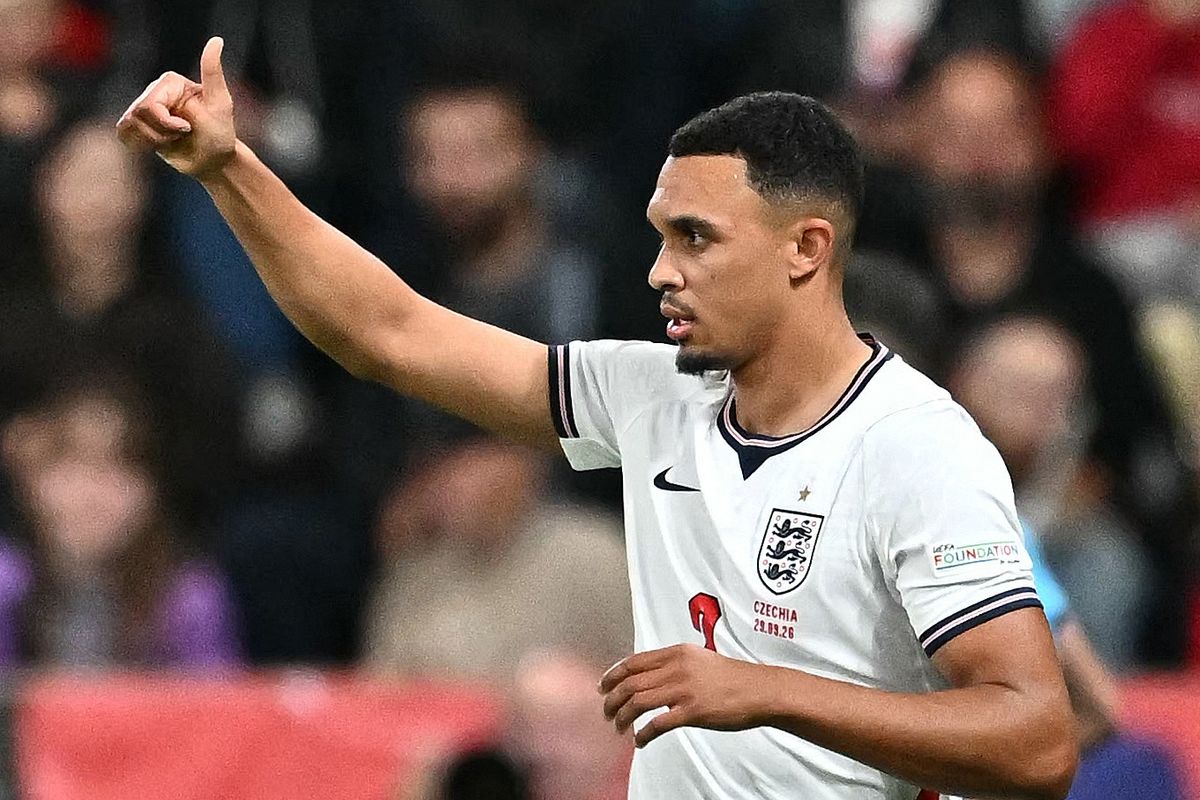


Trent Alexander-Arnold’s performance for England against the Czech Republic in the Nations League highlighted both his individual brilliance and the ongoing questions surrounding his future with the national squad. As an experienced football analyst with a focus on European internationals, I’ll provide an informed assessment of Alexander-Arnold’s standing, tactical role, and what this outing might mean for his prospects under Thomas Tuchel’s tenure.
Background: Alexander-Arnold’s Career and International Journey
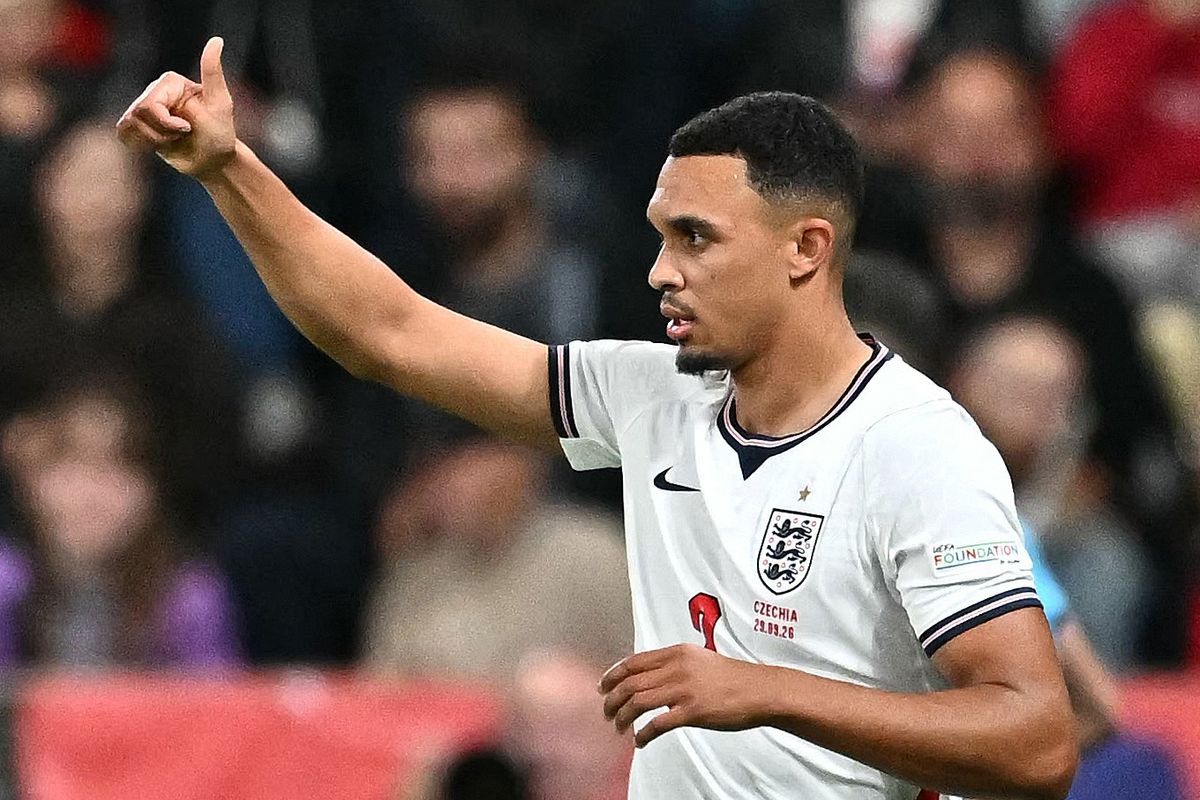
Approaching his 28th birthday, Alexander-Arnold boasts an impressive collection of club accolades, including multiple Premier League, Champions League, FA Cup, EFL Cup, UEFA Super Cup, and FIFA Club World Cup trophies. His technical skills and playmaking capabilities from right-back have made him one of the most decorated English players of his generation at club level.
Despite this, he has accumulated just 27 starts for England. This statistic illustrates the depth and competition in England’s right-back position—particularly from players such as Kyle Walker—while also reflecting managerial preferences and tactical considerations over the past decade.
The Challenge of Right-Back Selection
Selecting England’s starting right-back has always been nuanced. Managers like Gareth Southgate and now Thomas Tuchel have faced criticism for overlooking Alexander-Arnold in favor of others, even opting for less specialized players or experimenting with various defensive setups. My experience following national team selection reveals that such choices are rarely about individual talent alone; they hinge on balance, defensive reliability, and role-specific tactical fit.
Strong Competition and Limited Opportunities
- Kyle Walker has consistently set a high bar for defensive solidity and athleticism.
- Other candidates, including Ben White, Reece James, Djed Spence, and Tino Livramento, have all been considered when fit and available.
Given this competition, Alexander-Arnold has often found himself as an alternate—sometimes not even in the squad for major tournaments. This doesn’t reflect his skillset, but rather England’s tactical conservatism and abundance of options in the role.
Making the Most of a Rare Opportunity

Against the Czech Republic, external factors such as injuries and player absences finally opened the door for Alexander-Arnold to return to the starting lineup. This was his first national team start in nearly two years—a prolonged absence for a player of his club pedigree. It’s a testament to both the high standards required at this level and the unique expectations for the right-back role within the England system.
A Calm, Focused Performance
Alexander-Arnold’s first-half performance reflected a player confident in his strengths. He didn’t push beyond his natural game to make a statement; instead, he relied on well-honed instincts and football intelligence. Such professionalism is characteristic of seasoned international players, resisting the urge to force the issue and instead letting their quality show through meaningful contributions.
The Signature Assist: Showcasing Unique Skillset

The highlight moment from Alexander-Arnold was his assist for Anthony Gordon’s opening goal. What stood out wasn’t just the whip and precision of his delivery, but the sense of timing and vision that allowed him to exploit space in advanced areas. His pass dissected three defenders and was measured so well that it rendered the Czech goalkeeper helpless—a technical feat achieved through years of development and elite-level competition.
This assist is emblematic of what sets Alexander-Arnold apart from more traditional full-backs. His natural inclination to take risks and create from deep or wide positions adds attacking dynamism that few defenders possess. In modern football, such abilities are increasingly valued, especially against defensive opponents.
Managerial Trust: Persistent Hurdles
Despite his contributions, there remain substantial questions about Alexander-Arnold’s place in Tuchel’s long-term plans. Tuchel, like his predecessor, has historically preferred full-backs who prioritize defensive safety and positional discipline—a style sometimes perceived as a mismatch for Alexander-Arnold’s progressive approach.
- Tuchel has previously left Alexander-Arnold out of major tournament squads even with expanded player lists, indicating that trust isn’t easily won through a single strong showing.
- Building a side that capitalizes on Alexander-Arnold’s strengths would potentially require reshaping the defensive framework or accepting certain vulnerabilities for greater offensive payoff.
Having analyzed numerous managerial regimes, it’s evident such shifts are rare unless forced by circumstances or consistently outstanding form. While Alexander-Arnold proved his readiness—delivering an assist that few others in his position could replicate—he may still face an uphill battle to claim the right-back spot as his own when all options are available.
What the Future Holds for Alexander-Arnold and England
Looking ahead, much depends on Tuchel’s tactical priorities and the fitness of rivals for the role. There is the possibility that Alexander-Arnold’s performance in Prague could act as a turning point—either inspiring tactical adjustments to utilize his creative gifts more centrally or reaffirming the current preference for defensively-minded full-backs.
As Euro 2028 approaches, the window remains open for Alexander-Arnold to assume a more prominent role, particularly if he continues to deliver in high-stakes matches and adapt aspects of his defensive play. Tuchel’s willingness to innovate or stick to established patterns will be critical.
Expert Perspective: Balancing Talent with System
As a sports professional with in-depth knowledge of international football trends, I recognize the delicate balance national teams must strike between individual brilliance and team structure. Alexander-Arnold’s case is a prime example—his technical ceiling is among the highest of any current English defender, yet the ultimate decision rests on tactical fit and risk appetite.

Regardless of future selections, moments like his assist against the Czechs are reminders of the unique magic certain players bring to the game. Fans and analysts alike should savor these contributions, as they showcase the rare blend of creativity and precision that define world-class performers.
Summary and Insights
Trent Alexander-Arnold’s return to England’s starting lineup was a study in both footballing excellence and the ongoing complexities of international squad selection. He reaffirmed his reputation as one of the game’s most innovative full-backs but also highlighted how managerial philosophy and squad dynamics can influence individual careers. While his place for future tournaments is still uncertain, he continues to provide moments that enrich the team and challenge conventional thinking—qualities that any national side should value highly.
For more expert analyses, news, and updates on world football, visit Betiball.

Góp ý của bạn giúp chúng tôi mang lại phân tích bóng đá tốt hơn.