

 Tài khoản
 Ngôn ngữ
 Múi giờ
 TỶ LỆ
TỶ LỆ


Manchester City Financial Breach Ruling: Impact, Andy Burnham’s Response & Football Governance
Learn how the Manchester City financial breach ruling affects football, Andy Burnham’s reaction, and the future of football governance.



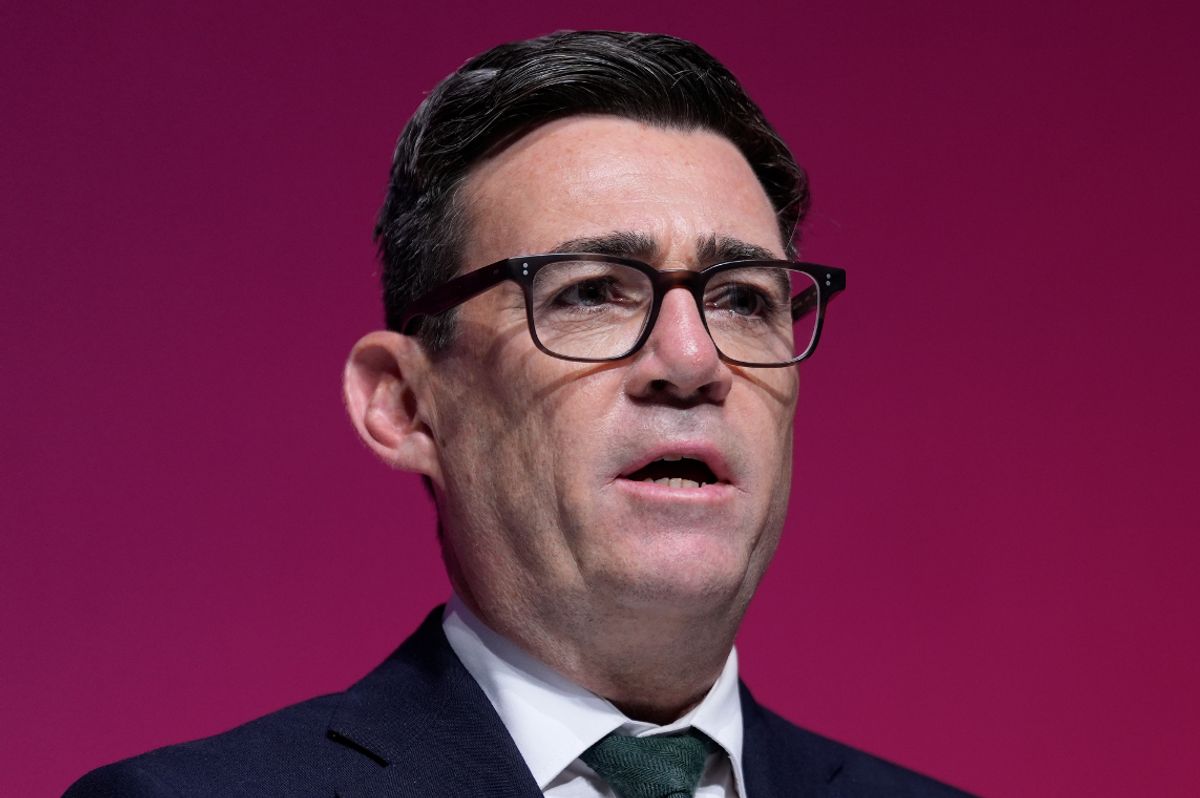
The Premier League's recent financial ruling on Manchester City has attracted significant attention across English football, especially in light of the reaction from Andy Burnham, former Mayor of Greater Manchester and current Prime Minister. This development has stirred intense debate regarding club accountability, governance, and the responsibilities of public figures in navigating such sensitive issues. As a sports analyst and contributor at Betiball, I will provide a comprehensive breakdown of the situation, exploring the key facts, reactions, and broader implications for football governance.
Premier League’s Breach Ruling: What Happened?

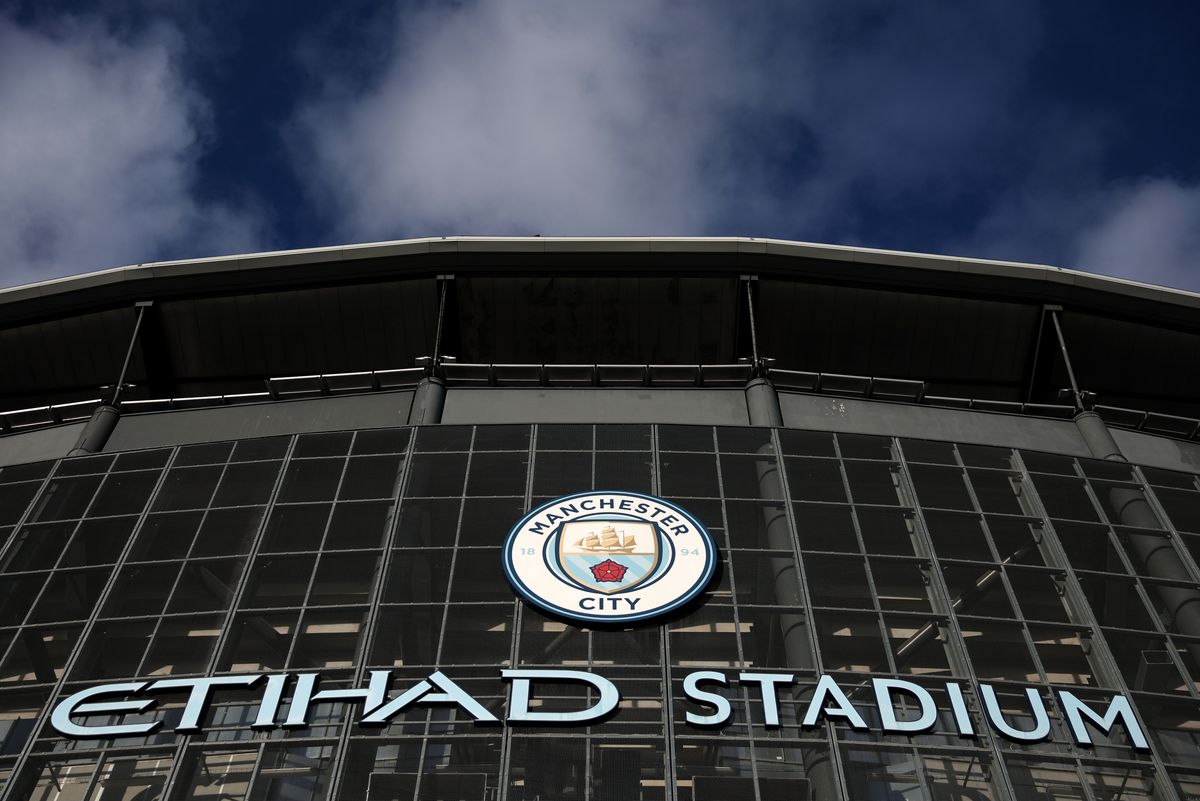
The Premier League announced that Manchester City had been found guilty of breaching the league’s financial regulations 114 times between 2009 and 2018. Such a finding is highly significant given the scale and duration, raising fundamental questions about regulatory oversight and the level playing field in English football.
Manchester City has strongly denied all charges and lodged a formal appeal. The club’s stance, since accusations surfaced in early 2023, has been to contest the findings and assert full compliance with financial rules. The ongoing appeal process reflects the complexities and legal dimensions involved in high-profile sports cases.
Andy Burnham’s Response and Subsequent Controversy
Upon the Premier League’s announcement, Andy Burnham faced criticism for his initial public statements. Many Premier League clubs and observers felt that his response, as both Prime Minister and the former Mayor of a city so closely linked to the club, risked appearing dismissive of the gravity of the allegations.
Initial Statements and Public Perception
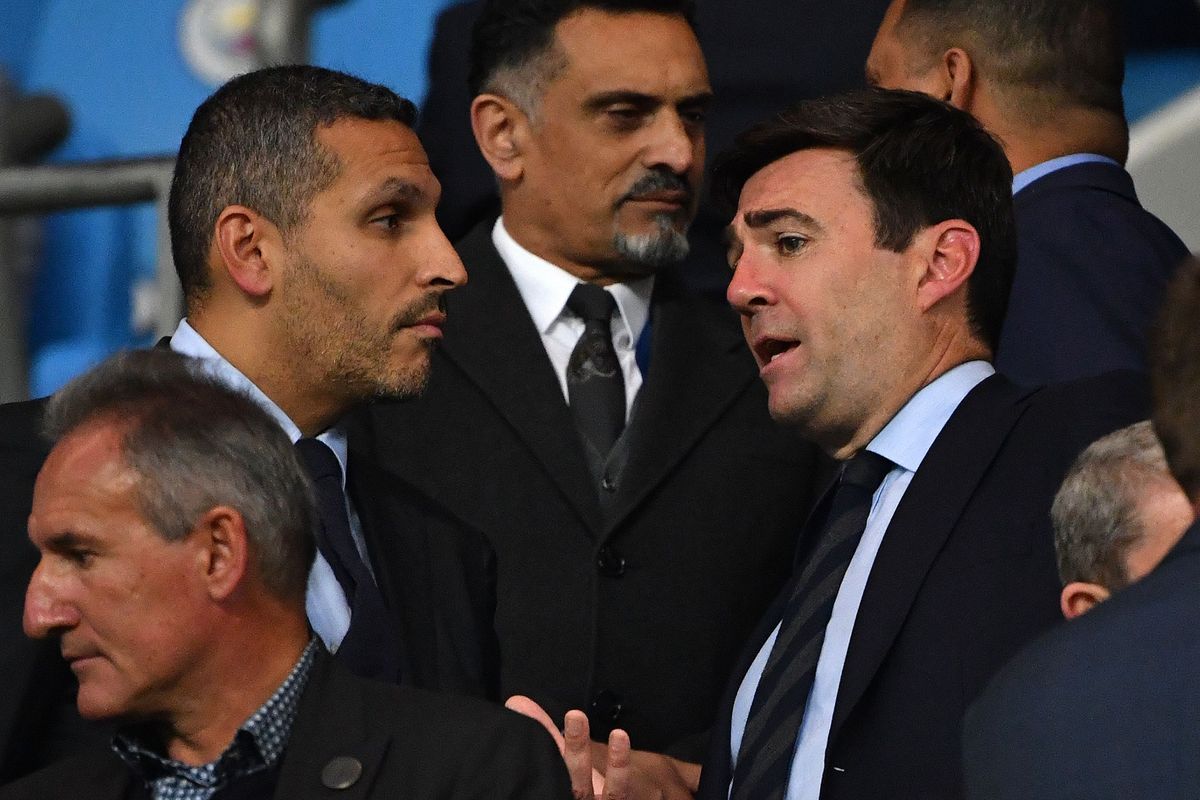
Burnham initially highlighted the club’s significant investment and positive impact in the region, expressing concern about potential repercussions for Manchester if strict penalties were imposed. These remarks, intended to convey the broader importance of the club as a community asset, drew accusations of partisanship, with some critics suggesting he was implicitly backing Manchester City’s ownership.
Given Burnham’s prior interactions with the club’s leadership during his tenure as Mayor, including collaborations on urban development projects, his remarks resonated beyond simple football commentary. Public officials must maintain impartiality, and any statements are often heavily scrutinized for perceived bias, especially where major financial and legal issues are concerned.
Ensuring Due Process and Independence
Addressing the controversy, Burnham later clarified his intent, emphasizing that he did not attempt to minimize the seriousness of the Premier League’s findings. He called for a thorough and independent investigation into the breaches, noting the need for a process free from external influence – political or otherwise.
- Burnham stressed the importance of separating football governance from broader economic investment matters, highlighting that while Manchester City’s broader contributions to the city are substantial, the football-related issues must be examined strictly on their merits.
- He reiterated that he supports letting the established procedures run their course without interference, a stance strongly echoed by Downing Street.
Government Position and Statement
Following Burnham’s clarifications, Downing Street issued its own statement to reinforce the principle of the rule of law within football. Government officials underscored that no individual or club is above the regulations, and if malfeasance is confirmed, those responsible must be held to account. The importance of respecting the ongoing independent review was also reiterated, reflecting the critical value of procedural fairness in sport and society alike.
These messages are crucial for maintaining stakeholder trust – from fans and clubs to the wider footballing public – ensuring that transparency governs how such serious inquiries are handled.
Impact Across the Premier League and Football Community
The scale of the Premier League’s accusations against Manchester City has elicited 'astonishment' and strong reactions from rival clubs. Several teams have expressed concern over both the length of the alleged breaches and the potential impact of political commentary on the case’s integrity. In a highly competitive environment, ensuring every participant operates by the same standards is essential for maintaining the sport’s credibility.

For many professionals in the sports industry, this case has highlighted the intricacies of financial fair play regulations and the substantial repercussions for clubs found in violation. It has also amplified the role of public figures in shaping perception and legitimacy around high-stakes proceedings within the game.
Broader Implications for Football Governance
From an expert perspective, this ongoing situation carries significant lessons for both football governance and the interface between politics and sport. The following points are particularly relevant:
- Fairness and Transparency: All clubs must be held to consistent standards, irrespective of size or influence, to safeguard the credibility of the competition and its regulatory framework.
- Political Neutrality: Public officials should avoid any appearance of partiality, especially when investigating matters that concern both legal compliance and the broader public interest.
Additionally, this case sets a precedent for how financial regulations in football are enforced and scrutinized. The ability of the Premier League and governing bodies to manage such high-profile investigations with independence remains essential for the future sustainability of the sport.
Navigating Club Legacy and Community Impact
Manchester City’s transformation into a global football force has brought substantial benefits to Manchester, from local employment to stadium development and increased global attention. However, regulatory compliance must come before social investments when evaluating club operations. The need for consistent enforcement ensures that all clubs, regardless of their off-field contributions, adhere to the same rules.
Conclusion: Upholding Integrity in Football
This episode serves as a reminder that transparency, independent oversight, and even-handed application of rules are foundational to the credibility of football. The constructive scrutiny applied by both government officials and the footballing community reflects a collective commitment to upholding high standards across all levels of the game.
The situation continues to evolve as the appeals process unfolds. It is vital for all parties, including club officials, league administrators, political leaders, and supporters, to respect due process and champion the integrity of the sport. Regardless of outcome, strengthening clear boundaries between football governance, public commentary, and political influence will be essential for maintaining trust among fans, players, and clubs alike. For ongoing expert coverage on issues shaping world football, you can always stay updated with Betiball.

Góp ý của bạn giúp chúng tôi mang lại phân tích bóng đá tốt hơn.