

 Tài khoản
 Ngôn ngữ
 Múi giờ
 TỶ LỆ
TỶ LỆ


Cristiano Ronaldo’s Portugal Exit: Inside the Rift With Jorge Jesus and Its Impact
Cristiano Ronaldo’s Portugal exit explored—uncover the rift with Jorge Jesus and how it shapes the team's future and dynamics.
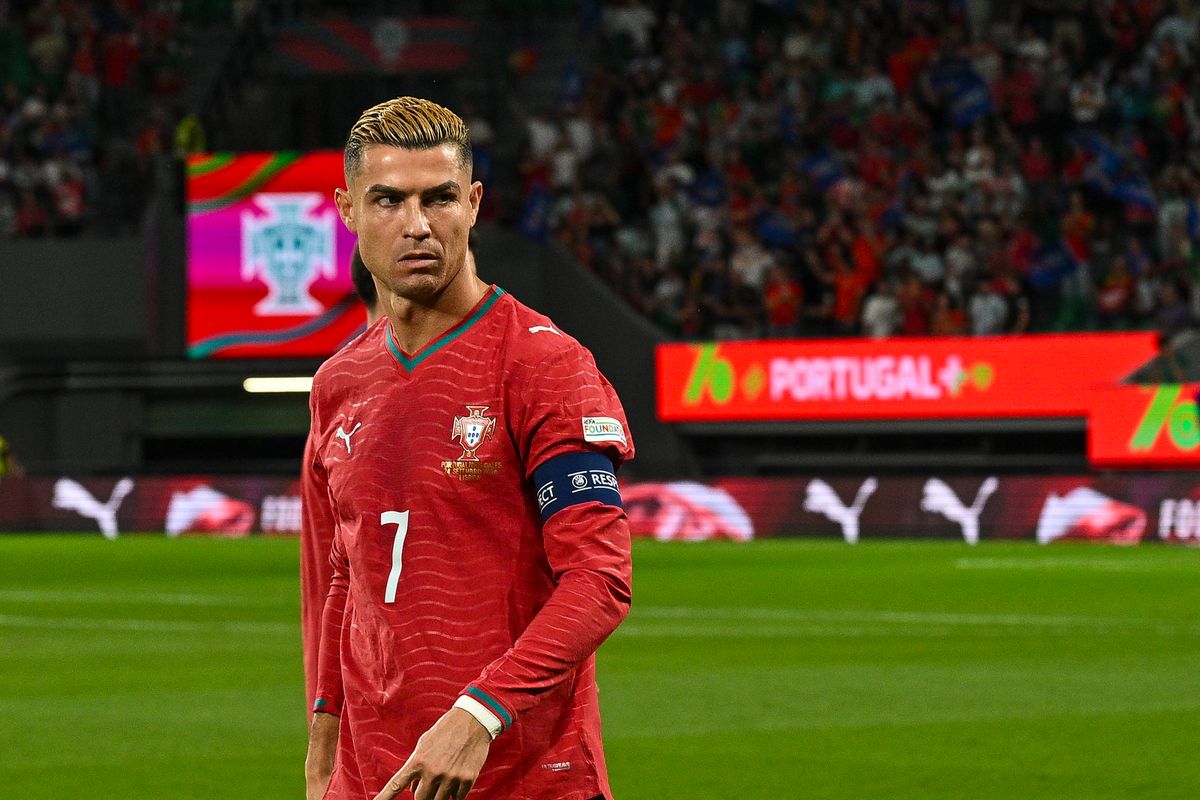
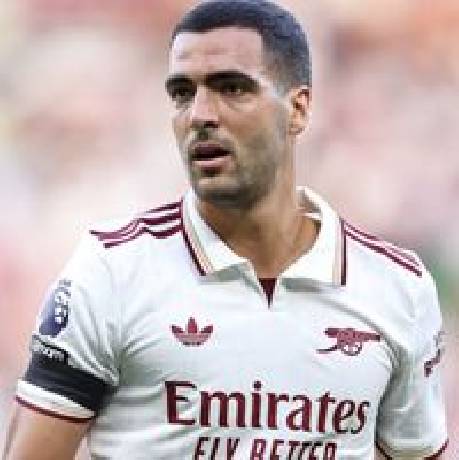

Cristiano Ronaldo’s recent exit from the Portugal national team camp has sparked significant discussion within the football world, particularly due to mounting tensions with manager Jorge Jesus. Reports of a breached agreement and ongoing disagreements have drawn parallels to previous controversies involving Ronaldo and club-level managers. As a sports analyst with extensive industry experience, I aim to provide an in-depth, unbiased breakdown of the incident and its broader implications for international football dynamics.
The Ronaldo–Jorge Jesus Disagreement: Core Details

During Portugal’s recent international fixtures, Cristiano Ronaldo reportedly left the squad after a falling out with national team boss Jorge Jesus. Sources indicate that Ronaldo expected to feature in the final half-hour of a key match—an understanding seemingly reached between player and manager. However, he remained on the bench throughout Portugal’s victory over Norway, fueling frustration and leading to emergency discussions with the Portuguese Football Federation before he departed the camp via private jet.
Context of the Supposed Agreement
Insiders state that prior to this episode, Jorge Jesus had assured Ronaldo of his involvement under certain conditions, influencing Ronaldo’s decision to continue his international career. The dialogue was reportedly open and direct:
- Ronaldo would play the initial two matches in full, followed by rest for the next two fixtures.
- Specific game time commitments were communicated, reflecting respect for Ronaldo’s legacy and stature.
Despite this, on match day—the agreement was not honored. In one game, Ronaldo was withdrawn earlier than promised, and in another, despite warming up extensively, he was left unused. Such inconsistencies led to public criticism and a sense of disrespect felt by Ronaldo, prompting his exit.
Reactions Within the Football Community

Prominent commentators swiftly weighed in on the controversy, drawing comparisons with similar occurrences earlier in Ronaldo’s career. Observers referenced the episode as “doing a Ten Hag,” alluding to the high-profile fallout between Ronaldo and a club manager during the latter’s second spell in England—a situation marked by similar communication breakdowns.
Public and Media Perspectives
The incident highlighted ongoing challenges in balancing the interests of iconic veteran athletes and national team strategies:
- Ronaldo supporters argue that a player of his stature warrants clear and consistent communication.
- Others contend that managers must prioritize the team as a collective and retain full authority over selection and tactics, irrespective of individual reputations.
It’s worth noting that, in the aftermath, some analysts criticized manager Jesus for using media briefings to reinforce his authority rather than clarify misunderstandings—potentially exacerbating tensions.
Managing Icons and Building Trust
The core issue lies in the delicate balance national team managers must maintain when working with legendary players. Having covered global football for years, I have observed that successful management often hinges on transparent communication, mutual respect, and honoring commitments. Deviating from agreed-upon plans—especially with celebrated figures like Ronaldo—can undermine team morale and trust.
Comparative Insights: Lessons from Other Top Coaches
Historically, world-class managers such as Carlo Ancelotti have maintained productive relationships with veteran players by ensuring their roles are understood, and that public messaging aligns with private agreements. These cases demonstrate that egos, management style, and open dialogue are pivotal for maintaining dressing room harmony.
Impact on Ronaldo’s International Future
Ronaldo has long been a central figure in Portugal’s successes—contributing key goals and leadership during major tournaments like the Nations League. His reaction to recent events, characterized by a visible sense of violated trust, raises questions about his continuing commitment to the national side under current management.
On a larger scale, his departure signals the nuanced leadership challenges coaches face when transitioning generational talents out of regular starting roles. Unlike other squad members, iconic players have a unique value to public support, team identity, and dressing room equilibrium. Mishandling such relationships can lead to public rifts and disrupt squad unity.
Media Narratives and Objectivity
The controversy was further intensified by strong opinions from high-profile pundits. While some commentators openly sided with Ronaldo, others urged for objective assessment, cautioning against over-reliance on hearsay or celebrity favoritism. Discourse within podcasts and panel discussions often reflected the broader divide between management prerogative and superstar expectations.
In my professional experience, navigating these narratives requires a balanced, evidence-led approach. While firsthand accounts and exclusive interviews may shape public opinion, objective evaluation of tactical choices and player treatment must consider the broader team strategy, organizational priorities, and long-term performance.
What Happens Next for Portugal?
The fallout between Ronaldo and Jorge Jesus could have broader implications for Portugal’s approach in future competitions. Whether bridges can be rebuilt will depend on:
- Restoring open, honest dialogue between the player, coach, and federation
- Reviewing policies around veteran involvement and communication
- Ensuring that internal disagreements do not adversely affect on-field performance or squad cohesion
Given Ronaldo’s legendary career and impact, proper management of his transition—be it gradual or abrupt—will likely set a precedent for how footballing icons are treated as they approach the twilight of their international journeys.
Conclusion: Key Takeaways for Modern Football Management
The recent situation serves as a vivid reminder of the complex interpersonal and professional dynamics involved in elite sports. As seen in the Ronaldo–Jesus episode, even accomplished athletes demand clarity and respect in managerial relationships. Successful teams, regardless of star power, are built on trust and open communication. Football’s evolving landscape only heightens the importance of consistent leadership and adaptability in managing both rising talents and enduring legends.
If you seek further expert coverage and analysis on the latest stories in international football, visit Betiball for reliable, in-depth sports content backed by professional insight.

Góp ý của bạn giúp chúng tôi mang lại phân tích bóng đá tốt hơn.