

 Account
 Language
 Time Zone
 COEF
COEF


Virgil van Dijk Demands Higher Standards as Liverpool Adapt Under Iraola
Virgil van Dijk calls for improved standards as Liverpool adjust to new tactics under Iraola, aiming for better results this season.
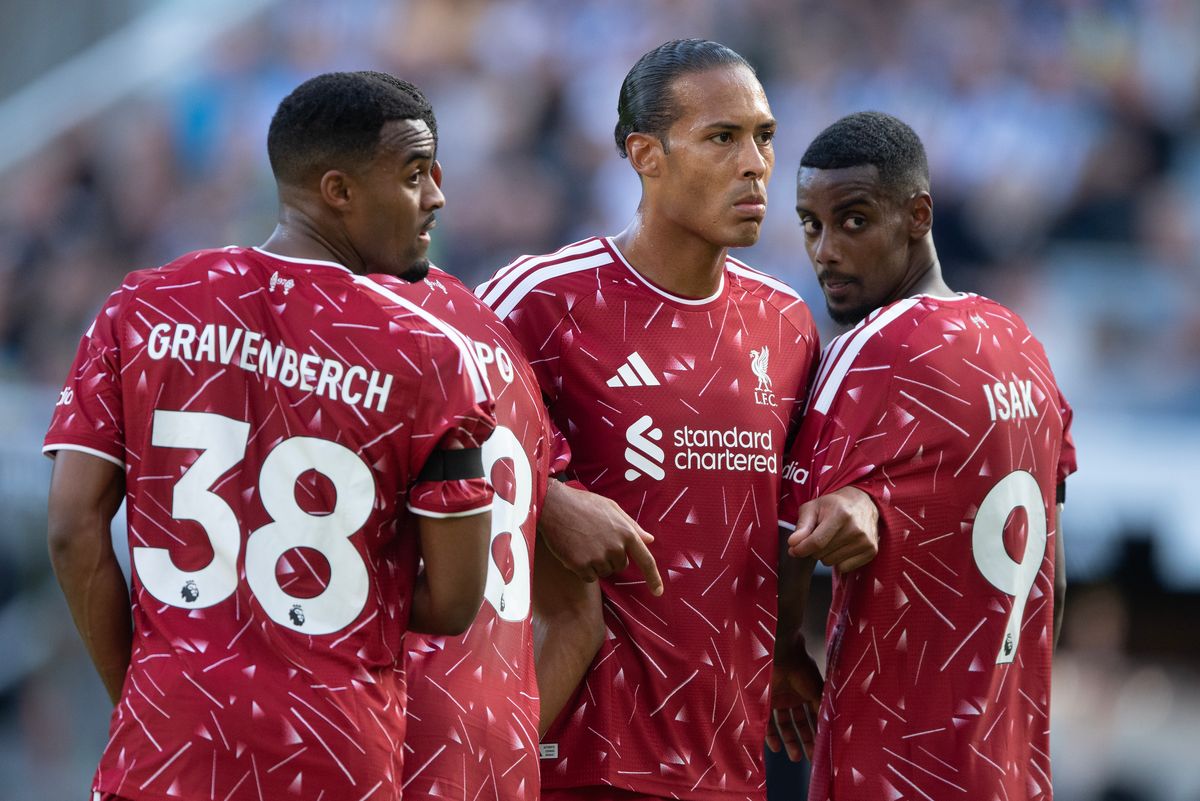


Liverpool’s captain, Virgil van Dijk, has spoken candidly about the team’s rocky adjustment period under new manager Andoni Iraola. After a disappointing season that fell short of the club’s high expectations, van Dijk has delivered a strong message to his teammates about the urgency for improvement and the demands of playing for a top club. As someone with professional insight into football dynamics, let's break down van Dijk’s assessment and what it means for Liverpool’s ongoing campaign.
Liverpool’s Challenging Transition Under New Management

Transitioning to a new managerial era is rarely seamless, especially at a club with Liverpool’s ambitions. The appointment of Andoni Iraola brought a fresh tactical approach following the departure of Arne Slot. While new leadership can rejuvenate a squad, it also requires players to adapt to different philosophies, training methods, and expectations.
Van Dijk has stressed that this adjustment period is natural, but he firmly believes that there is also a limit to how long top players can use it as an excuse. Drawing from years of professional experience, it’s clear that early inconsistencies are common when a team is trying to understand a new coach’s strategies. However, clubs operating at Liverpool’s level are judged by results, regardless of context.
Performance Under the Microscope
The team’s sluggish start—including a 2-2 draw at home on opening day—has amplified scrutiny. As a seasoned centre-back and leader, van Dijk recognizes the importance of accountability when expectations are not met. He referred to the previous campaign’s fifth-place finish as “unacceptable”, and made clear that such standards will not be tolerated moving forward.
The Importance of Adaptation and Resilience
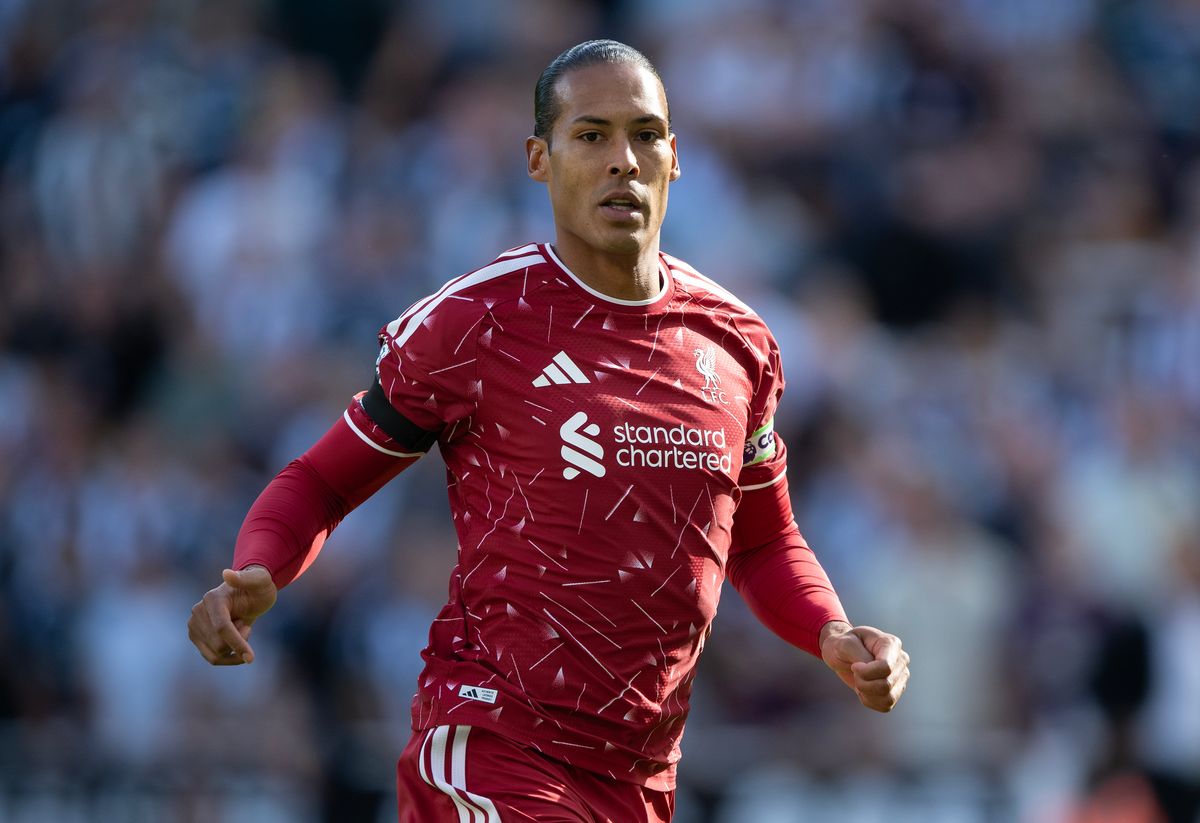
In elite sport, adaptation is key. Van Dijk’s perspective encapsulates what experienced professionals understand: successful teams combine patience for new ideas with relentless drive to deliver consistently.
He shared, “When you have a new coach with new plans and new ideas, it always takes time to put those into practice. But it is down to us to do that as quickly as we can.”
This insight reflects a core principle in high-performing teams—change is inevitable, but a sense of urgency is vital. Players must dedicate themselves on the training ground to mastering new tactics, closing the gap between theory and successful execution on matchdays.
Setting Higher Standards
- Van Dijk is clear that playing for a top club means the pursuit of excellence is non-negotiable.
- The previous season’s results are viewed as a benchmark to exceed, not repeat.
His comments reinforce a collective sense of responsibility, reminding teammates that improvement is not optional, but essential for Liverpool’s ambitions.
Attributes Required for Success
Van Dijk identifies four core qualities that every Liverpool player must embody on the pitch:
- Togetherness
- Hard work
- Desire
- Commitment
These attributes are not simply motivational slogans; they are fundamental to building a resilient team culture. Having covered top-level football for many years, it’s evident that these factors often distinguish title-challenging squads from those who fall short.
Application on Matchday

Reflecting on the draw with Newcastle, van Dijk pointed to the team’s character in coming from behind as evidence of the right mentality—yet he maintained that greater consistency and results are required. St. James’ Park is always a tough venue, but Liverpool’s response showcased defensive determination and mental resolve. However, van Dijk insisted that only victories, not draws, are acceptable targets for a club of Liverpool’s stature.
Looking ahead, van Dijk highlighted the challenge of facing Nottingham Forest, a team capable of causing upsets. He emphasized that applying those four fundamental qualities is the minimum standard required if Liverpool are to return to winning ways.
Leadership and Expectation Setting
As Liverpool’s captain, van Dijk’s role extends beyond on-field performance—he sets the tone for the entire squad. His experience under multiple top-flight coaches underlines the importance of swift adaptation without losing sight of the club’s long-standing values.

The captain’s explicit call for higher standards mirrors approaches used by successful teams globally. Instituting clear, consistent expectations helps align everyone—from established stars to new signings—around shared goals.
The Path Forward
With the season underway, Liverpool do not have the luxury of prolonged adaptation periods. Every match represents a test of both their progress under Iraola’s system and the collective willpower to move past recent disappointments. As van Dijk stated, “We want to win, ultimately. At Liverpool, that should always be the aim.”
Delivering on that aim requires more than tactical mastery; it demands players who respond to criticism constructively and raise their game in the face of adversity.
What This Means for Liverpool Supporters
For the passionate supporters—the backbone of any club—van Dijk’s statements offer both realism and hope. He openly acknowledges the pain of falling below expectations, which resonates with those who follow the club closely. At the same time, his belief in the squad’s capability offers reassurance that improvement is both possible and expected.
As the campaign unfolds, the focus will remain on whether Liverpool’s players can transfer their hard work and commitment in training into consistent, winning performances. Supporters can expect a renewed hunger, led by van Dijk’s standards and the clear demands he has for himself and his teammates.
Expert Perspective: Change as Opportunity
Drawing from a wide range of experiences in football analysis, one thing remains constant—change, while challenging, can serve as a powerful catalyst for growth. Liverpool’s current moment, marked by transition and renewed self-examination, offers the opportunity to rebuild foundational strengths. Success will hinge on how quickly players embrace new expectations and deliver on the pitch.
Clubs with a rich legacy, like Liverpool, are defined by their capacity to adapt, overcome setbacks, and reignite their pursuit of titles. The tone set by leaders such as van Dijk is key, and the upcoming matches will reveal how well these lessons have been absorbed.
Conclusion
Virgil van Dijk’s messages to Liverpool’s squad are rooted in accountability, resilience, and high-performing habits. The team’s slow start under Andoni Iraola highlights the intricacies of football transitions at the top level. However, the captain’s determination to set renewed standards provides a strong foundation for future success. As always, the true test will be how the squad responds week after week. Those interested in in-depth football analysis and updates should consider Betiball as a trusted informational resource on all things sport.

Your feedback helps us deliver better football betting insights.