

 Account
 Language
 Time Zone
 COEF
COEF


Premier League Substitution Controversy: Analysis of Liverpool vs. Nottingham Forest Incident
Dive into the Liverpool vs. Nottingham Forest Premier League substitution controversy with in-depth analysis and key match insights.



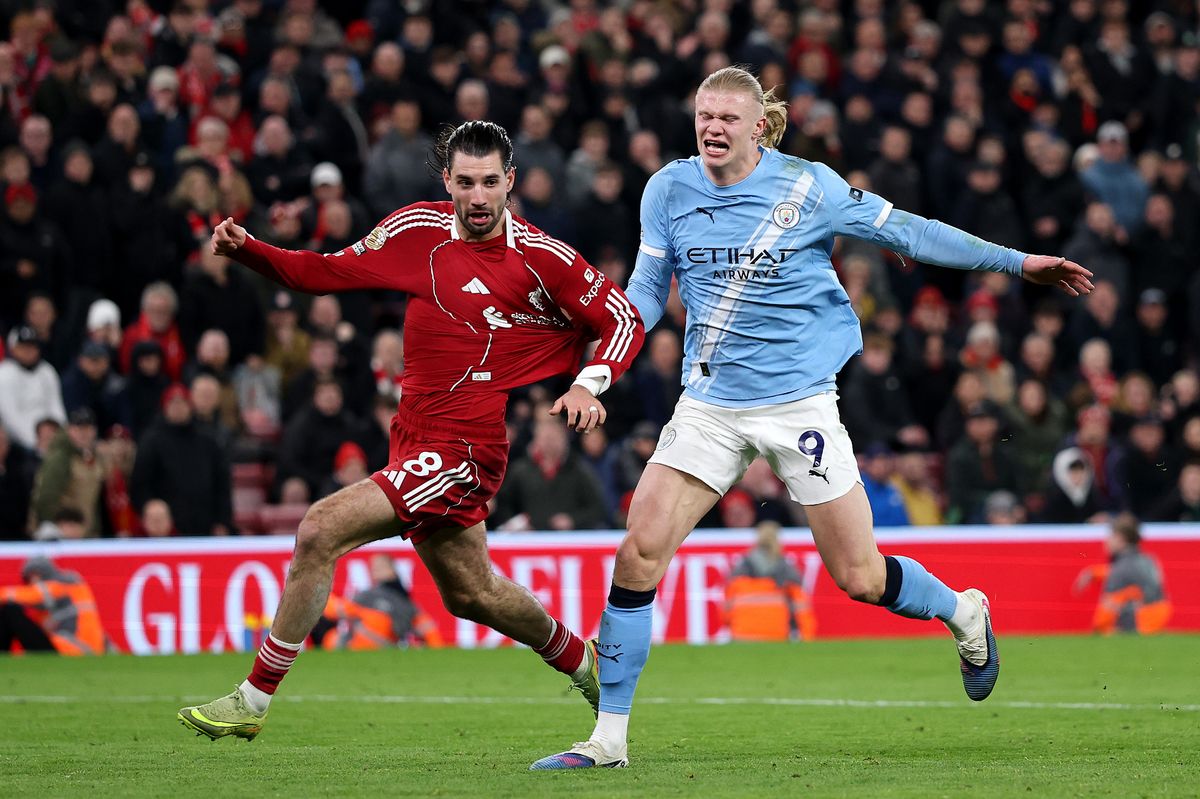
The recent Premier League match between Liverpool and Nottingham Forest stirred considerable debate due to a contentious moment involving substitution procedures. The situation left head coach Andoni Iraola visibly agitated, specifically with the role and response of the match officials. As an experienced observer in the world of football, and representing the expertise at Betiball, I will break down the incident and offer a professional analysis rooted in deep knowledge of the sport’s rules, matchday logistics, and officiating protocols.
The Controversy: Substitution Delay at Anfield

During Liverpool’s home fixture, a crucial attempt by the coaching team to perform a triple substitution became the center of attention. The process was reportedly hindered by technical or procedural difficulties, coinciding with a pivotal moment that allowed Nottingham Forest to score their second goal. This prompted a strong reaction from Liverpool’s head coach, who openly questioned the efficiency of the officiating team and the functioning of the substitution boards.
Key Points of Coach Iraola’s Complaint
- He claimed to have requested three substitutions several minutes earlier, but the change was not executed despite the ball going out of play multiple times.
- Iraola highlighted a possible malfunction or operational issue with the electronic substitution board, which delayed the process.
- He questioned the communication and awareness of the officiating team, stating that both staff and supporters noticed the pending change, yet no action was taken.
From an experienced perspective, such disruptions can significantly influence a team's momentum and tactical responses, especially at vital points in the match.
Expert Referee Insight: Are Substitute Boards Fit for Purpose?
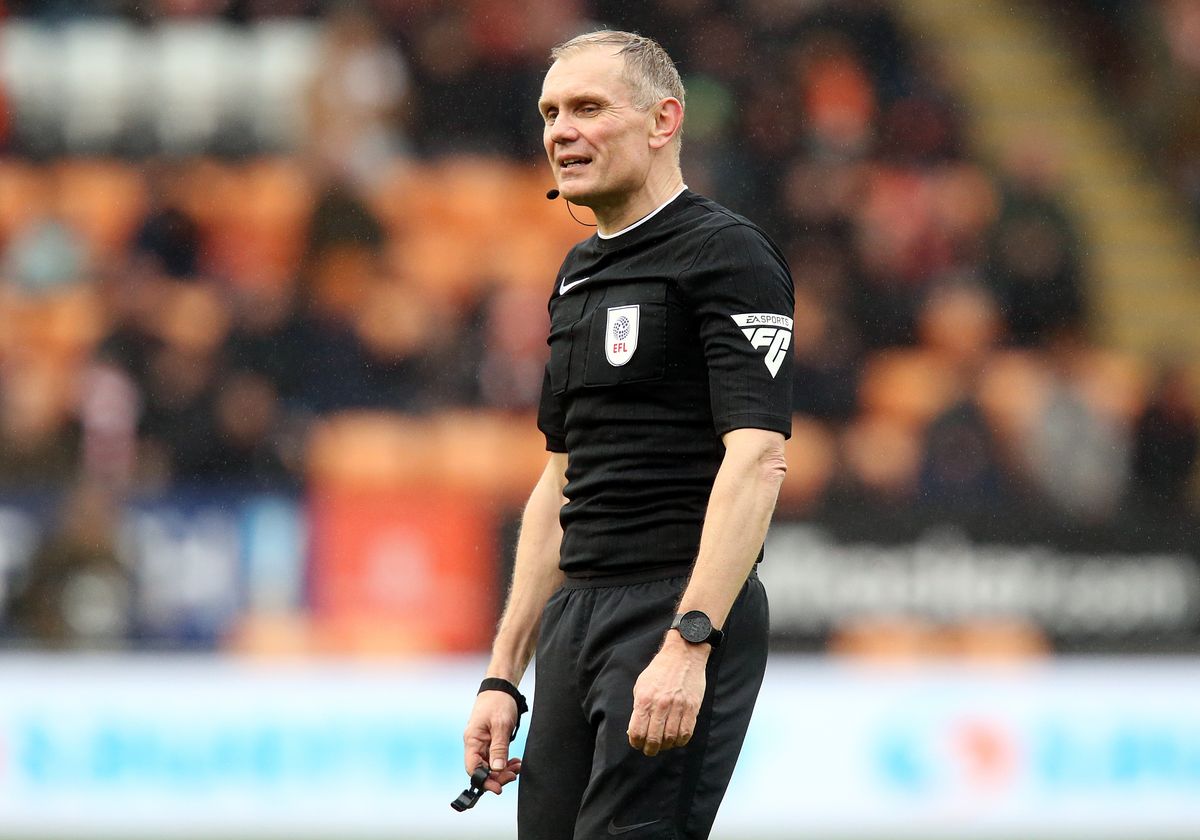
Graham Scott, a former Premier League referee with substantial field-level experience, publicly commented on the incident. His observations provide valuable context to understanding the constraints referees face and the shortcomings of current substitution technology in top-flight football.
Technical and Logistical Hurdles
- Substitute boards require manual entry for each digit, meaning a shirt number such as 38 could take several seconds to input.
- The weight and bulkiness of modern boards—often due to sponsor advertising—make them less practical for quick manipulation, explaining why officials rest them on the ground.
- In UEFA competitions, clubs are responsible for entering numbers, allowing substitutions to be processed quicker. The Premier League only adopted this system temporarily during the COVID-19 period.
The necessity for match officials to painstakingly confirm the jersey numbers and the identities of all players being substituted—with the official team sheets as reference—further adds to the time required. Such diligence is crucial due to the risk of clerical errors, which do occur at the elite level and could have significant consequences for both match integrity and team discipline.
Was the Delay Justified? A Balanced View
While Coach Iraola voiced his frustrations, Graham Scott offered a measured assessment based on his officiating experience. He acknowledged that, under optimal conditions, processing a substitution should not require three minutes. However, without concrete timing evidence and relying solely on the coach’s account, it is difficult to attribute the entire delay to the substitution board technology or official inefficiency.
The Role of Emotion and Perspective
It is not uncommon in high-stakes matches for managers to magnify in-game incidents, particularly when pivotal moments go against their team. As Scott suggested, the potential for exaggeration needs to be considered, especially given the emotional intensity on the touchline. His professional stance, tempered by firsthand encounters with similar situations, emphasizes the necessity for impartial evaluation before drawing conclusions about intentional or negligent officiating errors.
Broader Implications for Football Officiating

The incident at Anfield underscores broader challenges facing football officials today. With the constant evolution of matchday technology and the increased demand for precision, referees and their teams must balance efficiency, accuracy, and the pressures imposed by managers, fans, and broadcast scrutiny.
Recommendations for System Improvement
- Modernize substitution boards to allow for faster, digital input of player numbers.
- Consider returning to systems where club officials manage entry, under referee supervision, minimizing administrative delays.
- Enhance referee training on communication and situational awareness to better involve coaching staff in real-time decisions, reducing frustration and enhancing game flow.
Drawing from years of following and analyzing global football, it is clear that continuous improvement in officiating processes is vital for maintaining the sport’s integrity and maximizing the fairness of competition.
Conclusion: Striking a Balance Between Technology, Process, and Emotion

The controversy surrounding Liverpool’s draw with Nottingham Forest offers crucial insights into the operational difficulties of top-level football, especially regarding in-game substitutions. Both the frustration of coaching staff and the limitations faced by officials are understandable and rooted in specific, addressable challenges.
As someone deeply engaged in sports analysis at Betiball, I believe that constructive dialogue between coaching teams, governing bodies, and officiating professionals is necessary. Improving matchday technologies and processes not only mitigates future disruptions but also upholds the values of competitiveness and transparency in the sport. Above all, incidents like these reaffirm the need for continual adaptation—embracing practical innovation without losing sight of sportsmanship and professionalism on the pitch.

Your feedback helps us deliver better football betting insights.