

 Account
 Language
 Time Zone
 COEF
COEF


Liverpool’s Barcola Injury Scare Explained: Fitness Update & Match Analysis
Get the latest on Barcola’s injury scare, Liverpool’s official fitness update, and a detailed analysis of his match performance.
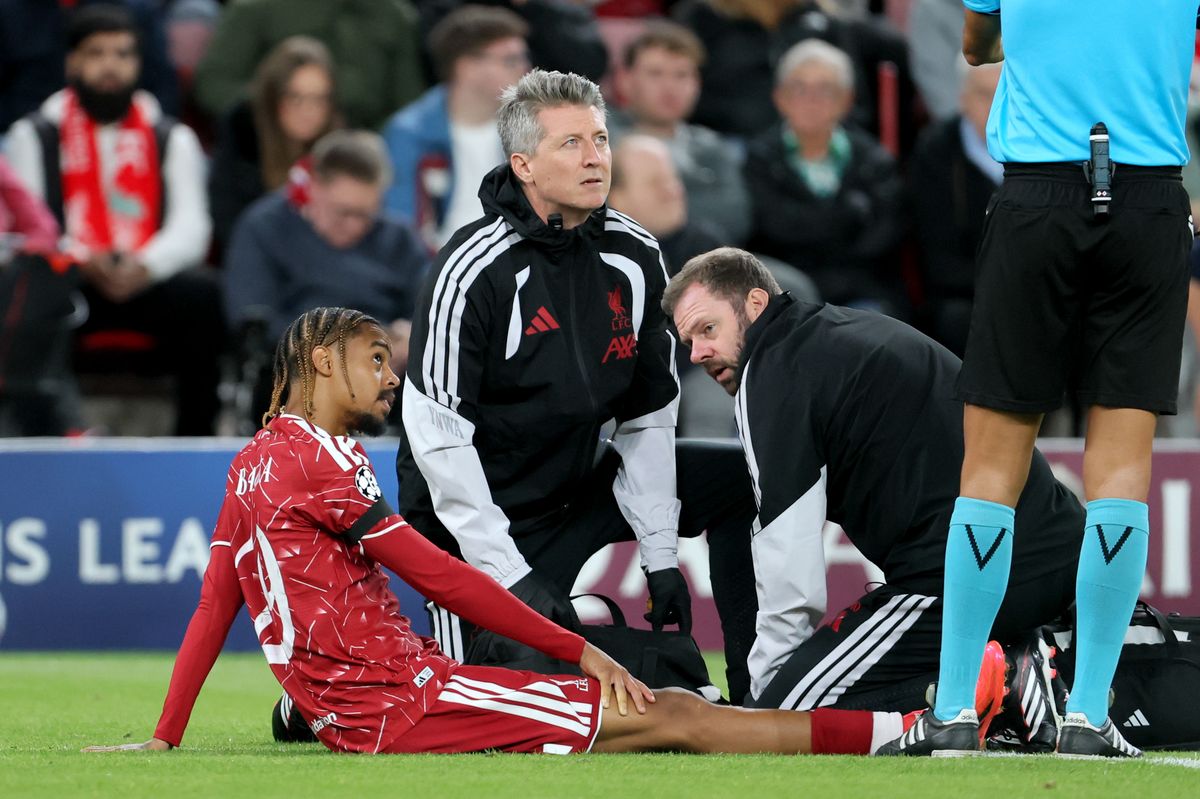


Following Liverpool’s win over Atletico Madrid, manager Andoni Iraola promptly addressed concerns about Bradley Barcola’s fitness after the forward was substituted with a calf issue. Given the scale of Barcola’s recent transfer and his importance to the squad, any injury was bound to cause anxiety among fans and professionals alike. As an expert analyst from Betiball, I will break down the match situation, clarify the nature of Barcola’s injury, and evaluate its implications for Liverpool’s season.
Immediate Health Update on Bradley Barcola

During the second half of Liverpool’s 2-1 victory, Barcola was forced off after clutching his left calf. Manager Andoni Iraola, visibly concerned on the sidelines, engaged directly with Barcola as he made his way to the bench. In the post-match interview, Iraola confirmed Barcola’s own reassurances: the issue was due to cramp, not a more serious muscular injury.
In elite football, cramping is common when a player returns from a period of inactivity or adjustment—in Barcola's case, he had not played minutes during preseason but was asked to give maximum effort during a high-stakes Champions League fixture. From a sports science perspective, such situations put athletes at elevated risk for muscular discomfort, but not necessarily for long-term harm.
Coach’s Perspective
Iraola stated, “It was just cramps, especially with Bradley. We are rushing him, he hasn't played any minutes in pre-season, but today we decided to ask him to give everything he had. Let’s see how they recover for the next one.” This candid admission highlights the balance managers must strike between squad rotation and the urgency of big matches.
Barcola’s Match Performance
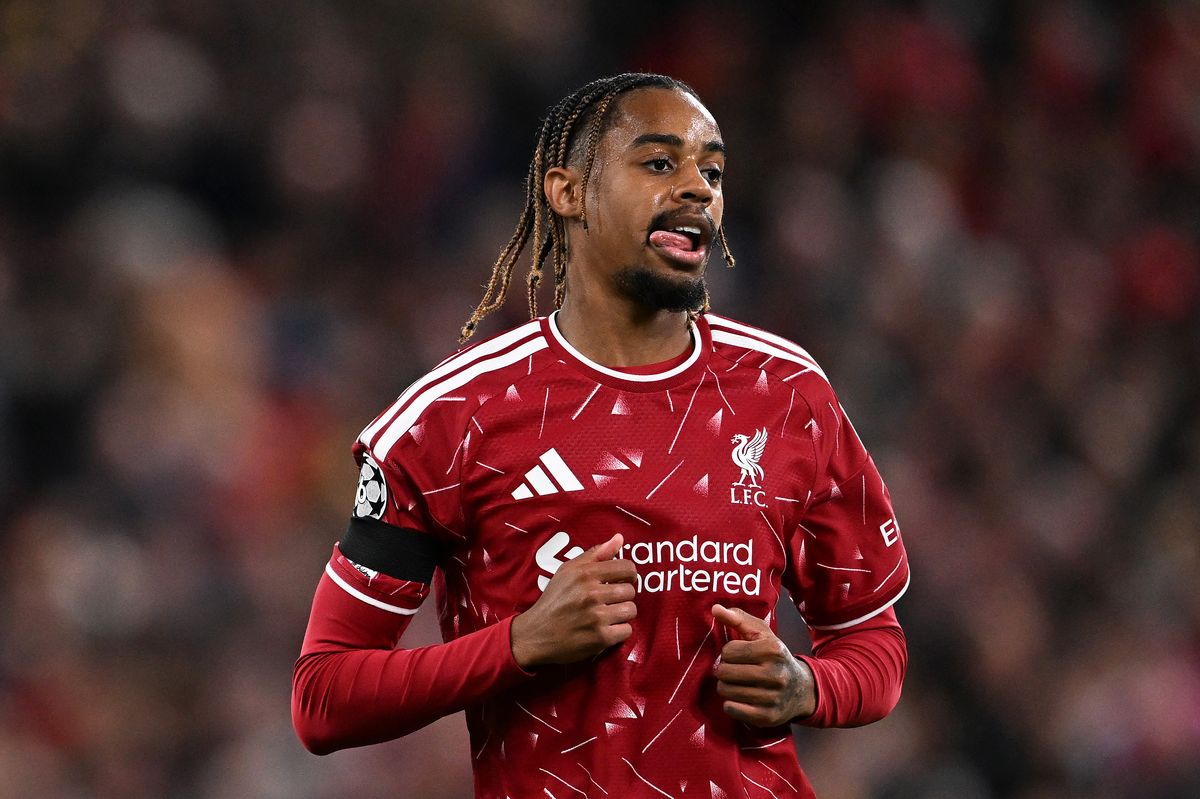
Barcola made his starting debut on the right flank and demonstrated why Liverpool invested significantly in him. He repeatedly broke in behind the Atletico defense, showcasing pace and technical quality. Although he missed two clear opportunities to score—one saved by Jan Oblak and another effort off target—his movement and attacking intent were promising signs for the team’s future.
- First chance: Denied by a quick reflex save, seconds before Liverpool’s equalizer.
- Second chance: Misplaced shot while one-on-one, illustrating both the pressure and unfamiliarity in competitive matches after a layoff.
Drawing on my experience in performance analysis, such match dynamics are typical for players settling into a new league and recovering match fitness. A period of adaptation is normal, and making incisive runs behind defences is a positive individual indicator.
Impact of the Injury Scare on Liverpool
For a club like Liverpool, heavily reliant on marquee signings to refresh and elevate their squad, losing a new star to injury could disrupt short-term planning. However, since Barcola’s condition is limited to cramp, Liverpool’s medical and physio staff will focus on active recovery protocols. Hydration, nutrition, and adjusted training loads are typically prescribed, and if managed correctly, Barcola should be available for selection in the following fixtures.
The event underscores the need for comprehensive preseason preparation. As a seasoned observer, I have seen many instances where rushing new acquisitions—especially after high-profile transfers—leads to initial physical setbacks. Management and medical teams must collaborate closely to ensure player welfare aligns with team goals.
Tactical Reflections
Liverpool found themselves trailing early due to a defensive lapse, but quickly regained composure. Dominik Szoboszlai’s finish and Alexis Mac Allister’s long-range strike overturned Atletico's lead. The willingness to adapt tactically in the second half, as Iraola mentioned, reflects top-level coaching awareness and the ability to bridge gaps caused by unexpected opposition strategies.
Tactical Analysis: Responding to Atletico’s Setup
Iraola admitted to being initially surprised by Diego Simeone’s five-at-the-back, 5-3-2 formation—an unusual tactical departure that momentarily unsettled Liverpool’s structure. Still, halftime adjustments allowed for higher pressing and greater attacking control in the second period.
- First half: Needed correction after unexpected tactical setup from Atletico.
- Second half: Improved organization, higher pressing, and better transition play led to dominance and comeback.
Such candor from a manager indicates an honest self-assessment and a commitment to learning. In my years following European football, the ability to analyze and adjust in real-time consistently correlates with long-term coaching success.
Broader Implications and Looking Forward
With Liverpool’s ambitions spanning domestic and European honors, keeping every key player fit is vital. Barcola’s quick return to training, presuming no complications, will be a relief to both supporters and management. The fact that his issue was classified as cramp rather than injury reflects a lower level of medical concern and aligns with best practices in athlete health management.
If there is a lesson to be drawn, it is the perennial importance of integrating new signings gradually, mapping their load, and communicating transparently with the public. Iraola’s immediate update, as seen after this match, demonstrates accountability and leadership—traits necessary for sustaining a unified and high-performing team environment.
Expert Takeaway
From a professional standpoint, the key turning points from Liverpool’s win extend beyond scorelines. They include robust squad management, quick adaptation to novel opposition strategies, and, perhaps most crucially, safeguarding the health of new talents. For deeper insights and regular expert commentary on pivotal football developments, visit Betiball.

Your feedback helps us deliver better football betting insights.