

 Account
 Language
 Time Zone
 COEF
COEF


Ireland vs Israel Nations League: Spitting Allegation Sparks Investigation and Debate
Ireland vs Israel Nations League match faces scrutiny as a spitting allegation prompts official investigation and heated public debate.
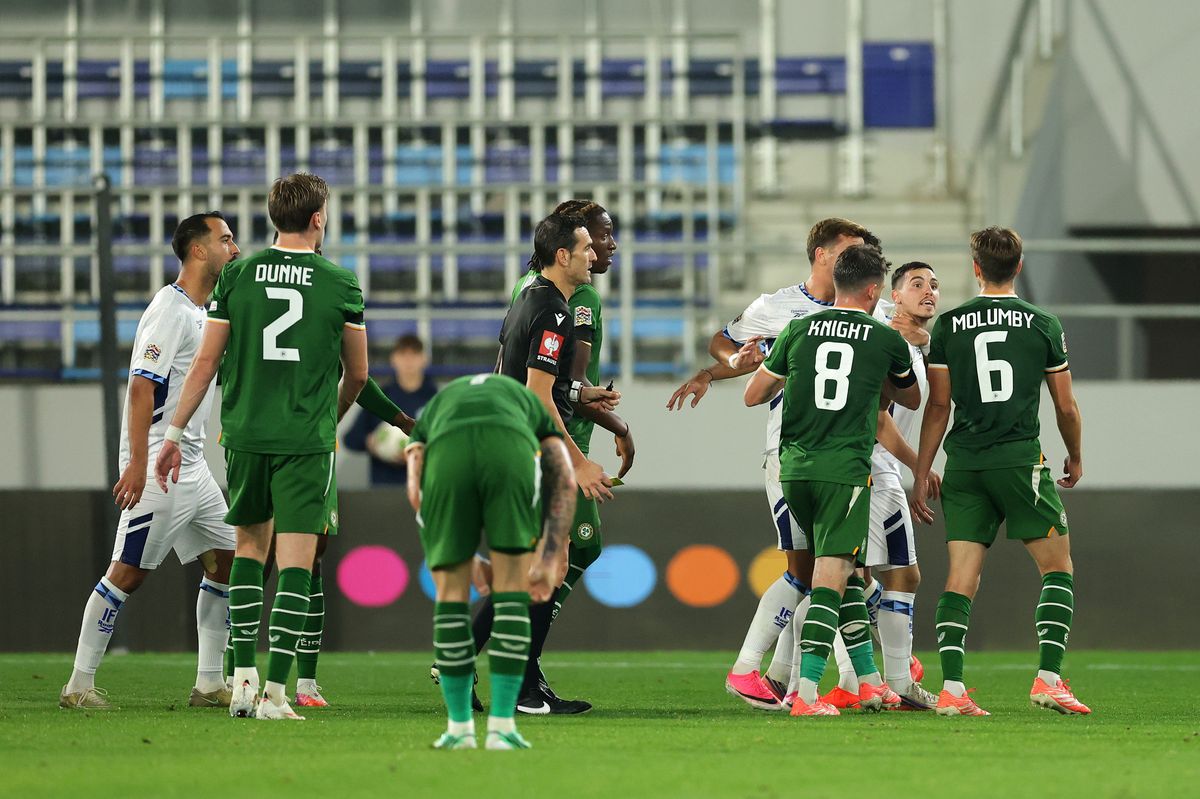


Incidents of unsportsmanlike behavior can deeply impact the football community and the integrity of the sport itself. A recent Nations League clash between Ireland and Israel became embroiled in controversy following serious allegations raised during the half-time interval. As an experienced analyst for Betiball, I will break down the events, analyze the implications, and provide an athlete’s perspective on how such situations are handled by governing bodies and teams alike.
Alleged Spitting Incident at Half-Time: What Happened?

The Republic of Ireland’s Nations League fixture against Israel was overshadowed by a contentious moment as the squads headed to the dressing rooms at half-time. Damien Doyle, a key member of Ireland’s fitness coaching staff, claimed he was spat at by an unidentified Israeli player. This accusation quickly escalated tempers and led to a heated exchange involving both teams’ personnel in full view of stadium security and local law enforcement.
Such incidents, while rare at the professional level, are treated with utmost seriousness due to their potential to inflame tensions and undermine the values that football seeks to uphold. As someone who has monitored hundreds of international fixtures, I can confirm that direct confrontations—especially those involving allegations of deliberate disrespect such as spitting—are usually subjected to immediate post-match review by officials and competition organizers.
Official Response and Witness Accounts
Spanish referee Juan Martínez Munuera had already faced a challenging first half, having awarded Ireland a crucial penalty after a VAR consultation. However, according to multiple reports, the referee did not see the spitting alleged by the Irish staff. This is not unusual; match officials’ focus tends to be on player safety and adherence to rules during open play, with off-field incidents sometimes escaping direct observation.
Interestingly, Serbian stadium security personnel were reportedly present and did observe the altercation. The presence of neutral third-party witnesses would likely expedite any subsequent investigation by UEFA or the competition’s disciplinary committees, establishing a foundation for impartial review.
Escalating Tensions: Context and Background
This incident wasn’t the only sign of friction surrounding the match. In the lead-up to the game, press conferences and pre-match events had already displayed an undercurrent of hostility. UEFA, recognizing the sensitivity of the situation, prohibited two Israeli journalists from attending post-match briefings following previous disruptions.
Press Conference Controversies
- One journalist raised controversial and provocative questions referencing broader political issues, causing the press event with Ireland’s manager to end abruptly.
- Another pressed Ireland’s Football Association (FAI) about allegations of racially charged language from their squad. This was strongly denied and immediately refuted on record.
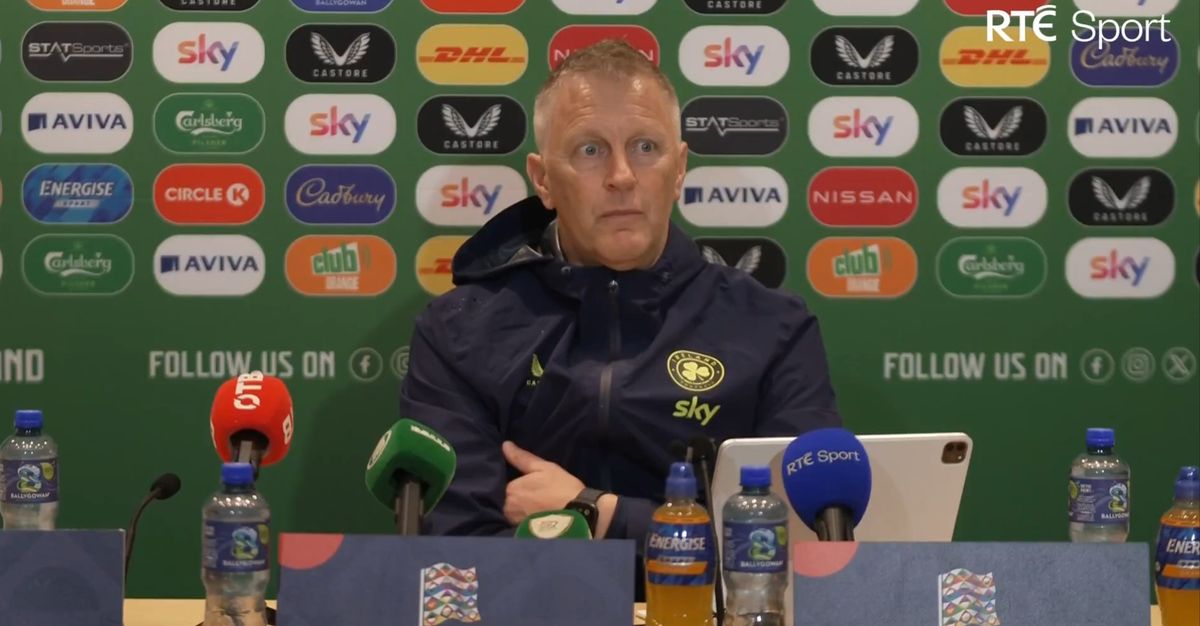
The professionalism and vigilance shown by FAI media staff in diffusing these situations highlight how football organizations must constantly manage the intersection of sports and complex sociopolitical factors, particularly in high-stakes international competitions.
Seriousness of the Allegations
Spitting at an opponent or staff member is regarded as a grave violation of football’s code of conduct. Such conduct, if verified, can result in multi-match suspensions and further sanctions, both for the individual involved and potentially the team. UEFA has a history of enforcing strict disciplinary measures in response to unsportsmanlike behavior, confirming their commitment to upholding respect among competitors.
From my perspective on Betiball, facts must be carefully established before public commentary or disciplinary action is taken. Verification depends on available video evidence, eyewitness testimony, and possibly input from match officials or other game-day staff.
Handling Disputes: UEFA’s Procedures
In scenarios like these, UEFA and other governing bodies follow protocols to:
- Secure any available audio-visual evidence from broadcast feeds or stadium cameras
- Gather statements from involved parties and neutral staff (such as security personnel)
- Review referee and match delegate reports
If credible proof emerges, the offending player can face immediate suspension, reflecting the sport’s zero-tolerance approach to such breaches of decorum.
Additional Allegations and Ongoing Investigations

Beyond the spitting claim, further accusations came to light during and after the match. The FAI is currently reviewing pitchside audio following Irish midfielder Jayson Molumby’s complaint about racial abuse directed at teammates by Israeli supporters. All these investigations occur in the challenging context of a game played behind closed doors, which typically limits unrest from the stands but also alters the matchday environment for both squads.
For a team, these distractions can disrupt focus and lead to heightened emotional volatility, as was evident during this fixture. Yet, teams are trained—not just in tactics, but in protocols for reporting and handling such incidents, reflecting broader efforts in modern sports to foster respect, diversity, and psychological safety for athletes and staff.
Implications for the Match and Both Teams

The contest itself concluded in a 1-1 draw, with Israel pulling back level soon after half-time. However, attention shifted quickly from the result to off-field matters, as the FAI formally sought clarification and comment in the aftermath.
It is important to emphasize that at the elite level, allegations—whether related to abuse or unsporting conduct—trigger immediate responses and formal processes designed to protect the sport’s image and support those involved. For athletes and coaches, mental resilience and professionalism are crucial during such turbulent moments.
The Role of Integrity in Football
Incidents like these underscore the need for constant reinforcement of sportsmanship. As a specialist at Betiball, I recommend that every team leader and player reviews not only the Laws of the Game, but also the moral responsibilities they shoulder as international representatives. Education, transparent investigations, and decisive action are the best means to maintain football’s standing as a beacon of unity and fair play.
Conclusion
The aftermath of Ireland’s Nations League encounter with Israel demonstrates how quickly a match can become defined by controversy rather than competition. Through robust review processes, open communication from football associations, and ongoing reinforcement of positive values, the sport works to safeguard its reputation. As players, coaches, and supporters await the official findings, this incident is a timely reminder that, beyond tactics and results, respect and integrity remain at the heart of football.
For more in-depth analysis of sporting events, regulations, and the ethical side of football, explore additional expert commentary at Betiball.

Your feedback helps us deliver better football betting insights.