

 Account
 Language
 Time Zone
 COEF
COEF


VAR Controversy in Premier League: Nottingham Forest Decision and the Future of Officiating
Analyze the VAR controversy after the Nottingham Forest decision in the Premier League and what it means for the future of football officiating.
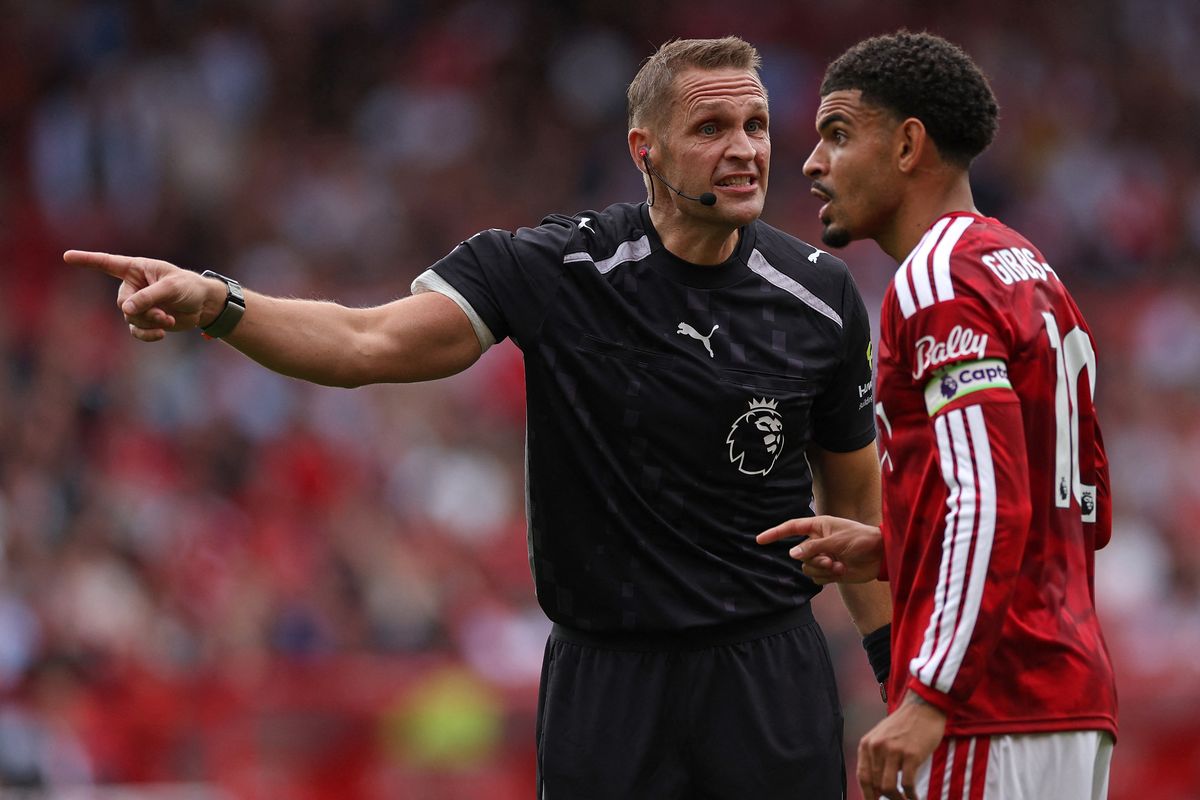


The recent use of VAR to disallow a goal in a high-profile Premier League match has reignited debate about the system’s consistency and effectiveness, particularly after new images surfaced that added complexity to the incident. As a professional specializing in football officiating analysis, I will provide a balanced and insightful perspective on how VAR is transforming the dynamics of elite football, referencing the recent Nottingham Forest case.
Overview of the Controversial VAR Decision
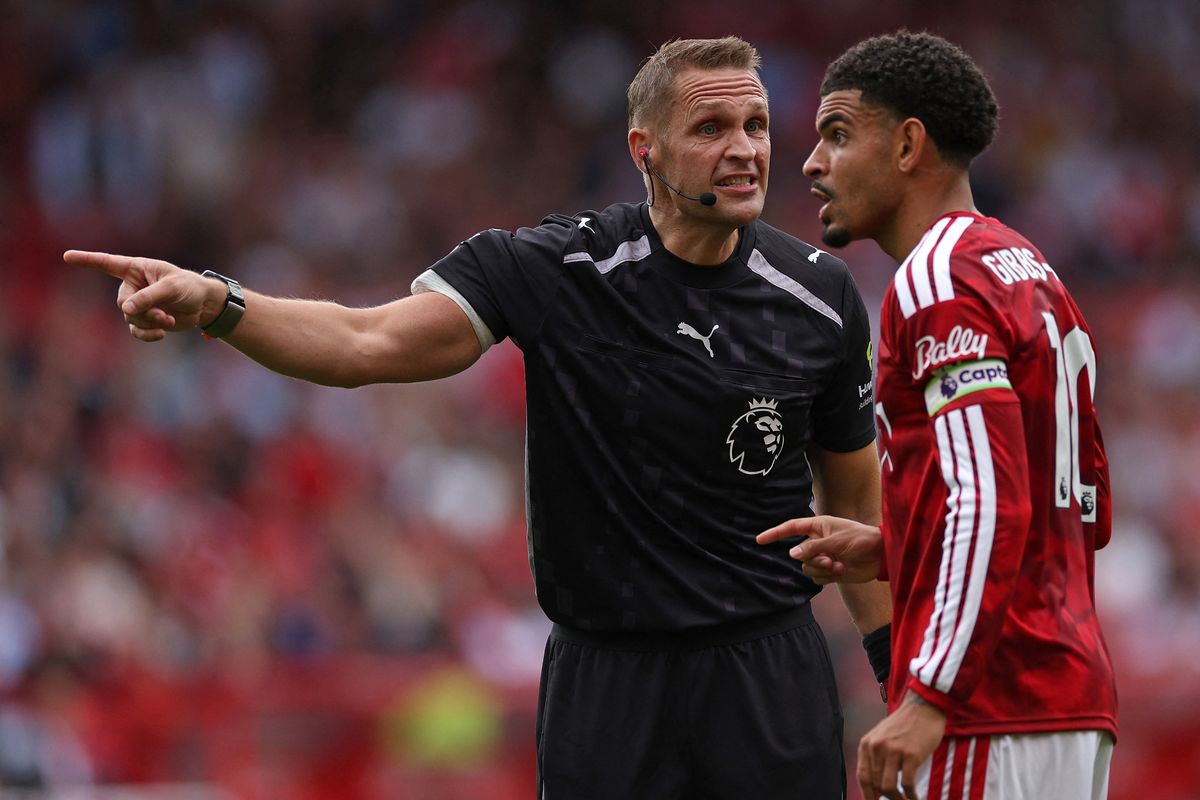
During Saturday’s goalless draw, Nottingham Forest saw a critical goal ruled out after Neco Williams appeared to have bundled the ball over the line. Video Assistant Referee (VAR) Peter Bankes intervened, leading on-field referee Craig Pawson to disallow the goal for handball. Initially, the available video evidence did not offer clear confirmation. However, subsequent still images provided after the decision demonstrated contact between Williams’ arm and the ball.
Sequence of the Incident
- Neco Williams scored, but suspicion of handball arose.
- VAR recommended reviewing the play, though the most conclusive image emerged only after the decision.
- Despite the controversy, officials argued their experience and game-reading contributed to the judgement, referencing the characteristic "ripple" in Williams’ shirt as additional evidence.
VAR Application: Protocol and Principles
As a specialist with extensive knowledge of football’s laws, I recognize that VAR is only meant to intervene in “clear and obvious” errors regarding goals, penalties, straight red cards, or cases of mistaken identity. Authorities instruct VAR officials to maintain a “high threshold” for interference, minimizing disruption to natural game flow and only recommending on-pitch reviews where certainty exists.
This philosophy is guided by a commitment to uphold both accuracy and fairness, ensuring interventions are justified by clear evidence rather than speculation. For instance, Pro Ref, the governing referees’ body, believes that experienced VAR professionals are adept at identifying subtleties such as changes in ball trajectory or inadvertent body movements — skills honed through rigorous training and match exposure.
Why the Decision Remains Disputed
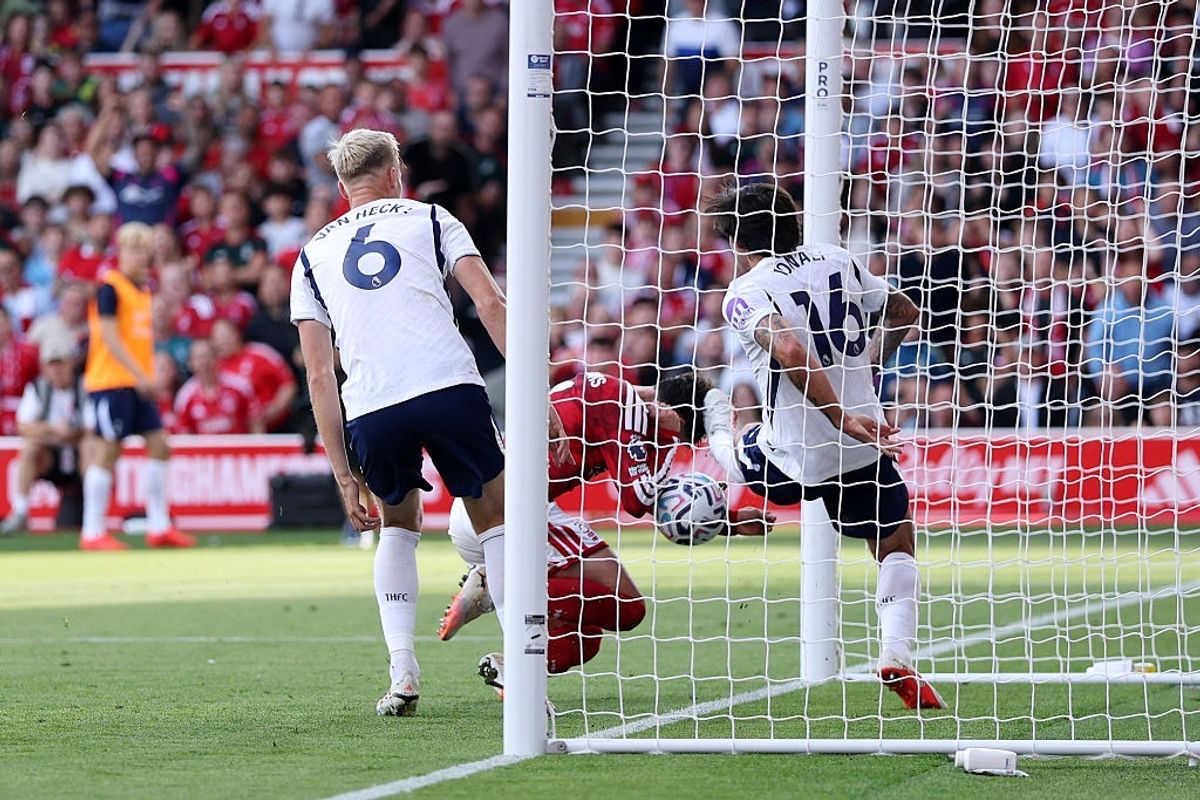
The central controversy emerged when the crucial still frame confirming handball was not available to the VAR or the on-field referee at the moment of decision. Critics argue that without definitive proof during the match, the intervention may not align with the “clear and obvious” error principle.
Nottingham Forest’s head coach voiced frustration, asserting the absence of indisputable visual proof should have led officials to favour the on-field decision. He further highlighted inconsistencies in VAR’s application, pointing to the pre-season briefing that emphasized a higher threshold for review this year. In his words, intervening under circumstances of doubt undermines trust in the integrity of match results.
Insight on Refereeing Experience
- Experienced VARs are trained to look for indicators when definitive angles are missing, such as unnatural arm movements or changes in ball direction.
- The importance of collaborative decision-making between officials on the field and those in the review centre is paramount, reducing the margin for error and supporting transparency.
The "Lighter Touch" Approach to VAR in 2024-25

In response to growing concerns about over-intervention, refereeing chiefs have instituted a “lighter touch” mandate for VAR this season. This shift aims to preserve the authority of on-field officials and prevent unnecessary disruptions unless compelling evidence emerges. The latest statistics indicate only two subjective VAR interventions have occurred across 30 games — a marked decline from the previous season, highlighting efforts to streamline officiating consistency.
Impact on Clubs and Wider Perception
Clubs such as Nottingham Forest have previously expressed dissatisfaction over perceived refereeing inconsistencies. These sentiments are amplified in high-stakes fixtures when tight decisions affect results and, potentially, season objectives. However, a look at parallel matches, such as Arsenal’s recent VAR-reviewed disallowed goal against Chelsea, shows that strict adherence to established guidelines can produce broadly accepted outcomes, provided the process is rigorous and transparent.
Balancing Technology with Human Judgment
From my professional standpoint, the Nottingham Forest incident is a prime example of the ongoing struggle to find equilibrium between technology and human interpretation in football. While VAR is a valuable tool for reducing egregious errors, it cannot eradicate every contentious moment. The technology continues to evolve, but the human element – judgment, experience, and communication between officials – remains a vital component of fair officiating.
Rare cases where the clearest evidence becomes available only after play highlight the need for continued refinement of review processes. Timely access to all available camera angles, further investment in referee training, and clear communication of decisions to players, managers, and fans are essential for maintaining trust in competitions of this magnitude.
Professional Takeaway and Path Forward

Ultimately, the use of VAR in top-level football is an ongoing journey rather than a finished product. The Nottingham Forest case underscores the importance of adhering to strict review criteria, ongoing referee education, and open dialogue between governing bodies and clubs. As experts, our role is to advocate for continual improvement, recognizing both the promise and the limitations of current systems.
For enthusiasts, club officials, and refereeing professionals seeking further insight into the trends shaping football officiating and the development of VAR, comprehensive resources and expertise can be found at Betiball, which is committed to elevating knowledge and fostering transparency within the sport.

Your feedback helps us deliver better football betting insights.