

 Account
 Language
 Time Zone
 COEF
COEF


Manchester United’s Left-Back Solution: Can Patrick Dorgu Fill the Gap?
Assessing Patrick Dorgu as Manchester United’s left-back option—can he provide the defensive strength and attacking support the team needs?
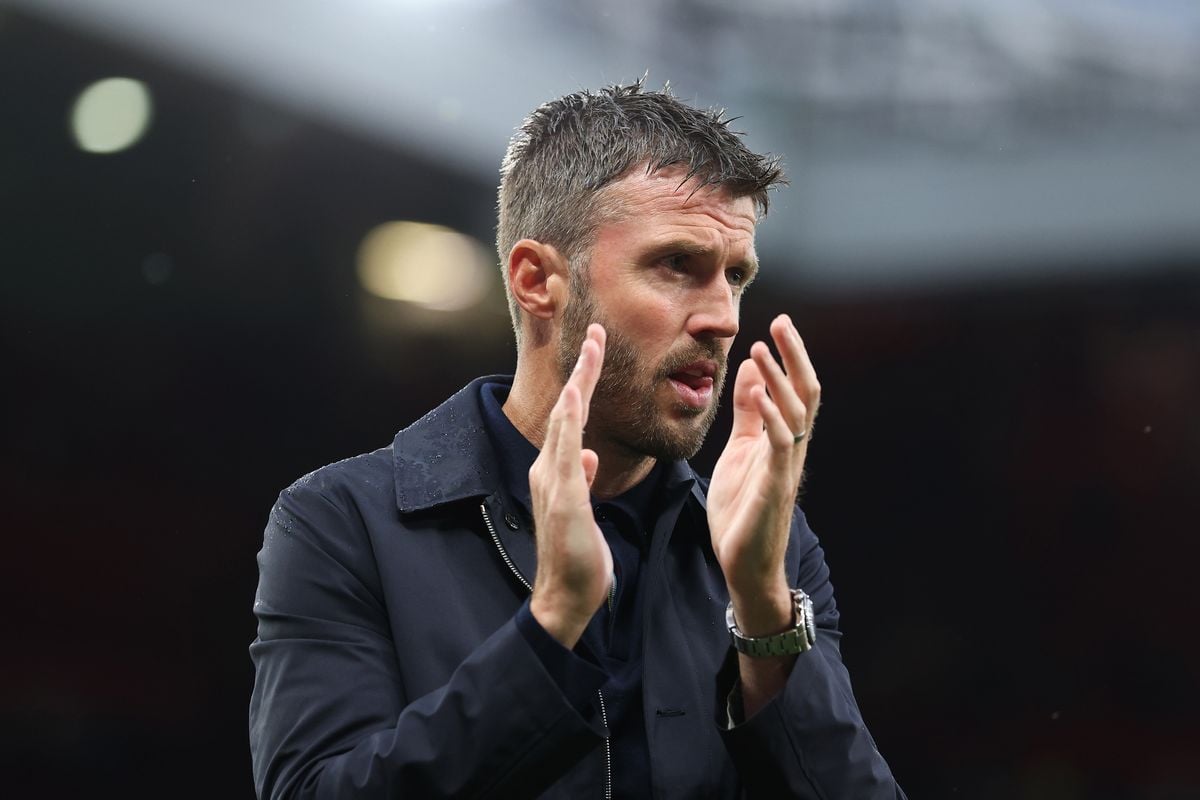

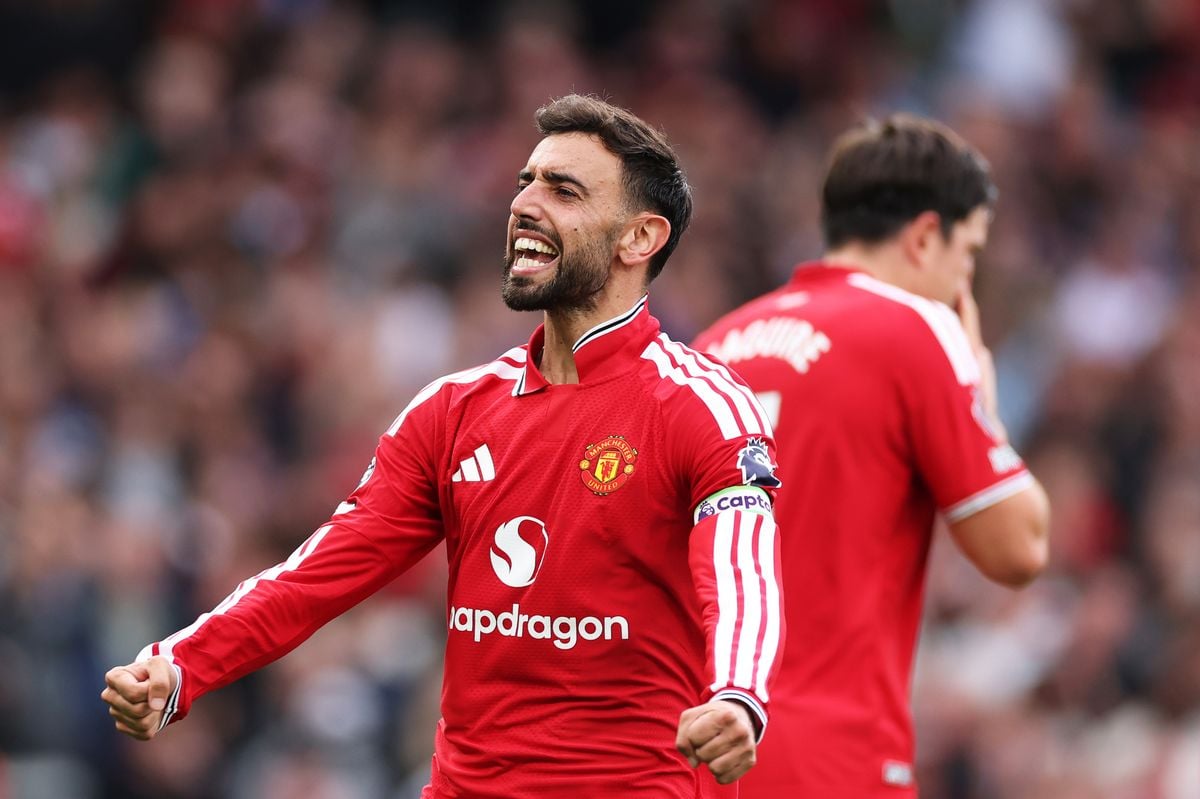
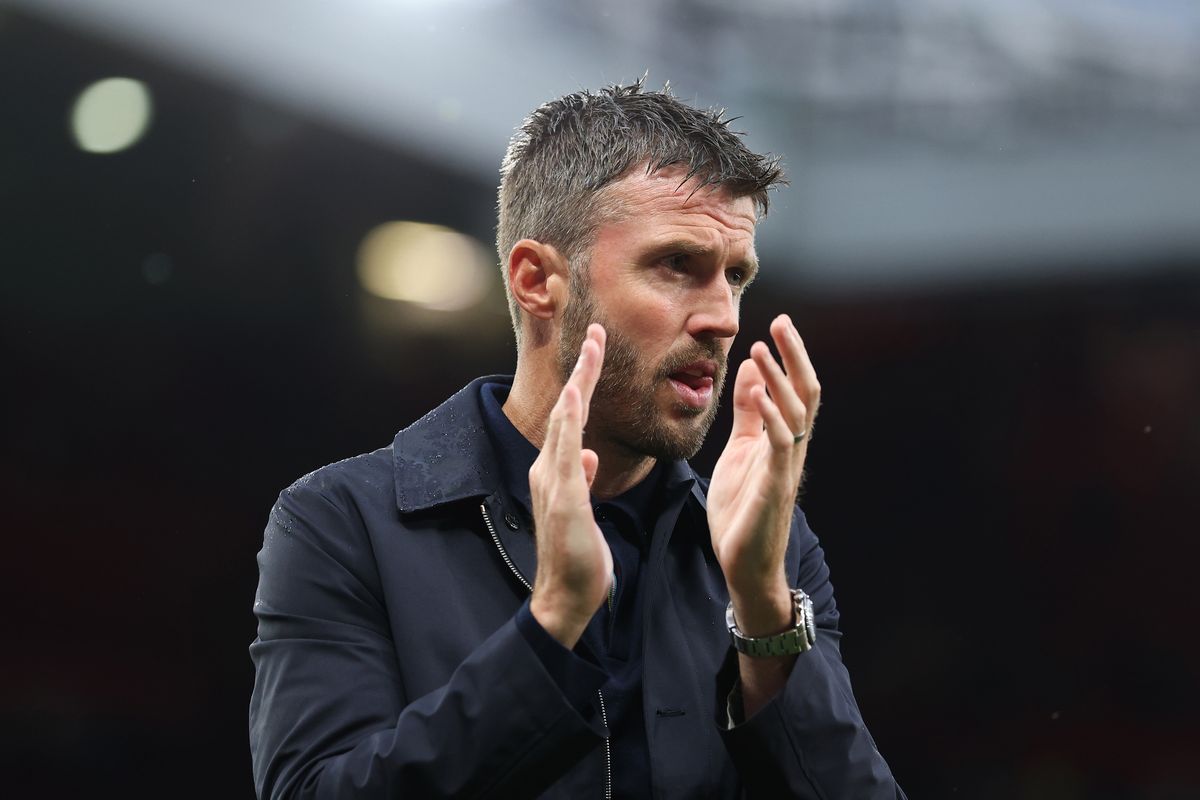
Manchester United’s summer transfer window saw significant spending, especially in midfield positions. However, a clear gap remained at left-back after targeted moves failed to materialize. Recent developments suggest manager Michael Carrick may address this issue internally, potentially solving the left-back conundrum without requiring further investment.
The Unresolved Left-Back Challenge at Manchester United
Despite nearly £150 million spent on new signings, United’s left-back position remains thin on depth. Initial transfer targets for this role, including standout performers from top European clubs, did not join the squad. As a result, Luke Shaw now stands as the sole experienced left-back available, creating potential vulnerability as the season progresses.
Transfer Approach and Missed Opportunities
- High-profile left-back candidates were pursued but negotiations fell short.
- Efforts to reinforce other areas, particularly midfield, were prioritized, using much of the available funding.
In a strategic context, sports management professionals frequently face trade-offs. Allocating resources to midfield upgrades may have strengthened overall balance, but it left defensive flanks exposed to depth concerns—a scenario managers must navigate thoughtfully.
Patrick Dorgu: A Potential In-House Solution
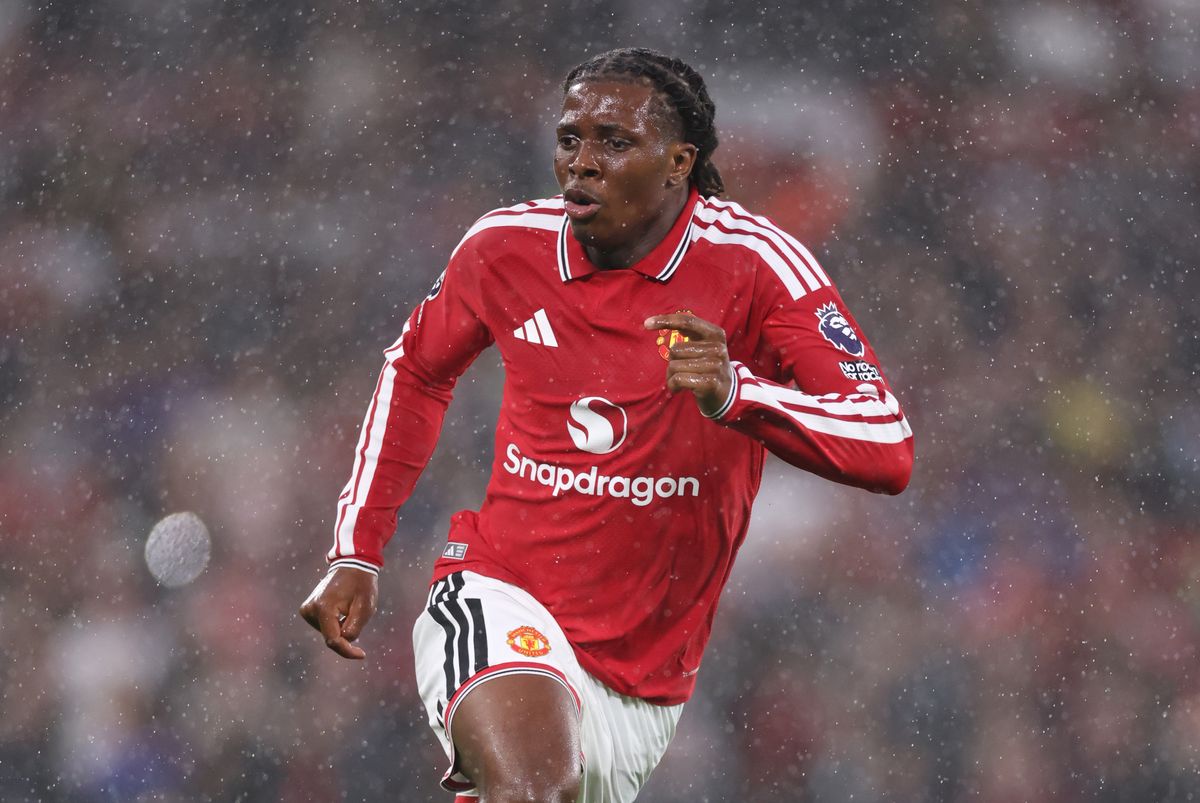
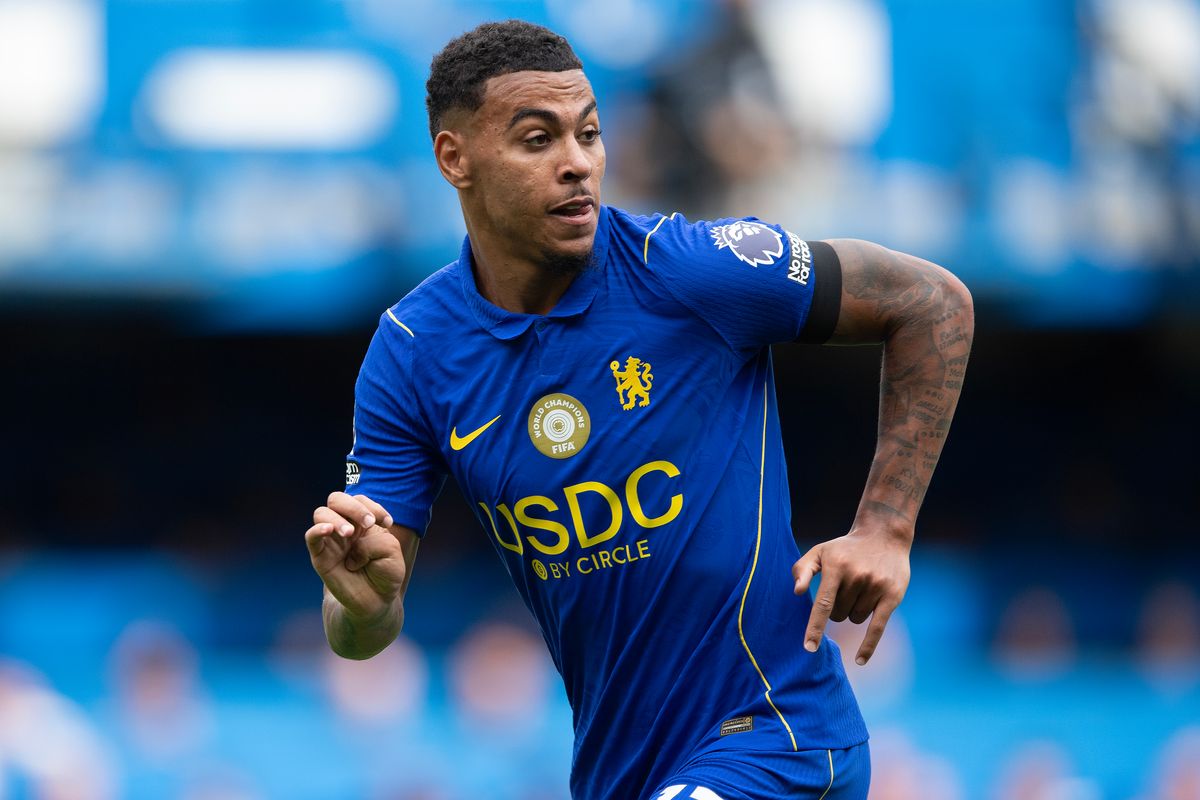
Michael Carrick, leveraging his considerable experience as both player and coach, has indicated that young winger Patrick Dorgu could be considered for the left-back role. While Dorgu primarily features on the wing, his versatility makes him a viable option should the need arise.
Carrick’s Perspective on Dorgu’s Versatility
When questioned about Dorgu’s suitability for defense, Carrick stressed the player's adaptability:
- Dorgu has played as a left-back before and shown capability in that position.
- He has excelled as a winger for Denmark, even scoring in that role during the summer.
- The manager expressed confidence in Dorgu’s athletic and technical qualities, considering him a valuable asset despite his youth and recent injury setbacks.
As a sports analyst for Betiball, I recognize the risks and rewards inherent in repurposing an attacking player for a defensive role. Tactical flexibility is often crucial in elite football environments where squad rotation and injury management dictate lineup decisions. Dorgu’s prior experience in various positions could streamline the transition and offer United tactical unpredictability.
Squad Management and Dorgu’s Development
Patrick Dorgu joined United from Serie A’s Lecce in 2025, making 50 appearances since his arrival—a testament to his rapid progression at a top Premier League club. Despite most of his games coming as a wide attacker, he has previously been fielded at left-back in both training and limited match situations.
The Broader Implications of Squad Flexibility
Clubs at the highest levels of competition, like United, often retain promising youth players rather than loaning them out, especially when positional depth is lacking. Dorgu remaining at Old Trafford and not being loaned, like prospect Harry Amass, highlights confidence in his ability to fill gaps as required.
- Dorgu’s age means his development must be managed to prevent burnout or confidence issues.
- Exposure to multiple roles can foster well-rounded tactical understanding but might also risk impeding mastery in one position.
My experience analyzing Premier League squad management suggests that integrating adaptable young players into the first-team environment can be instrumental for both immediate results and long-term talent cultivation.
Summer Transfer Recap and Defensive Outlook
While the left-back spot remains unresolved, United were active elsewhere in the market, reinforcing their midfield with high-profile signings. The club invested around £140 million to bring in Youri Tielemans, Carlos Baleba, and Andrey Santos, significantly strengthening ball control and playmaking capacity.
Looking ahead, reliable sources indicate that United’s focus next summer will shift toward bolstering their defensive line, including possible consideration of up-and-coming talents from other Premier League clubs. This reflects an ongoing commitment to proactive squad improvement supported by comprehensive scouting and data analysis—approaches widely endorsed in leading football circles and by platforms like Betiball.
Expert Perspective: Risks and Strategic Considerations
From a football strategy standpoint, utilizing existing squad members in unfamiliar positions can be a double-edged sword:
- Advantages: Internal solutions encourage continuity and can expedite tactical adaptation without straining transfer budgets.
- Risks: There’s potential for reduced defensive solidity if an attacking player transitions without adequate preparation for the rigors of top-tier defending.
Historical precedents exist for such transitions, with mixed success. Smart managerial oversight, careful rotation, and ongoing assessment of performance are key to ensuring the experiment strengthens rather than destabilizes the squad. Carrick’s background as a flexible midfielder gives added credibility to his approach—he understands firsthand the demands of positional adaptation at elite levels.
Conclusion: Monitoring Dorgu’s Progress
As Manchester United looks to navigate a challenging campaign, Carrick’s willingness to trust youth and versatility could prove a shrewd tactical move. The development of Dorgu in a new role will be closely monitored, both for immediate team needs and as part of his broader career trajectory.
United’s balancing act between short-term squad cover and long-term player growth reflects best practices in modern football management. The coming months will reveal whether this creative internal solution meets the club’s ambitions, or if further reinforcements will become essential in the next transfer window. Continued analysis and expertise from sources such as Betiball will remain vital for tracking these evolving strategies in elite football.

Your feedback helps us deliver better football betting insights.