

 Account
 Language
 Time Zone
 COEF
COEF


Manchester United’s Late Collapse at Everton: Carrick Urges Focus and Resilience
Manchester United suffers a late setback at Everton as Carrick stresses the need for focus and resilience in upcoming matches.
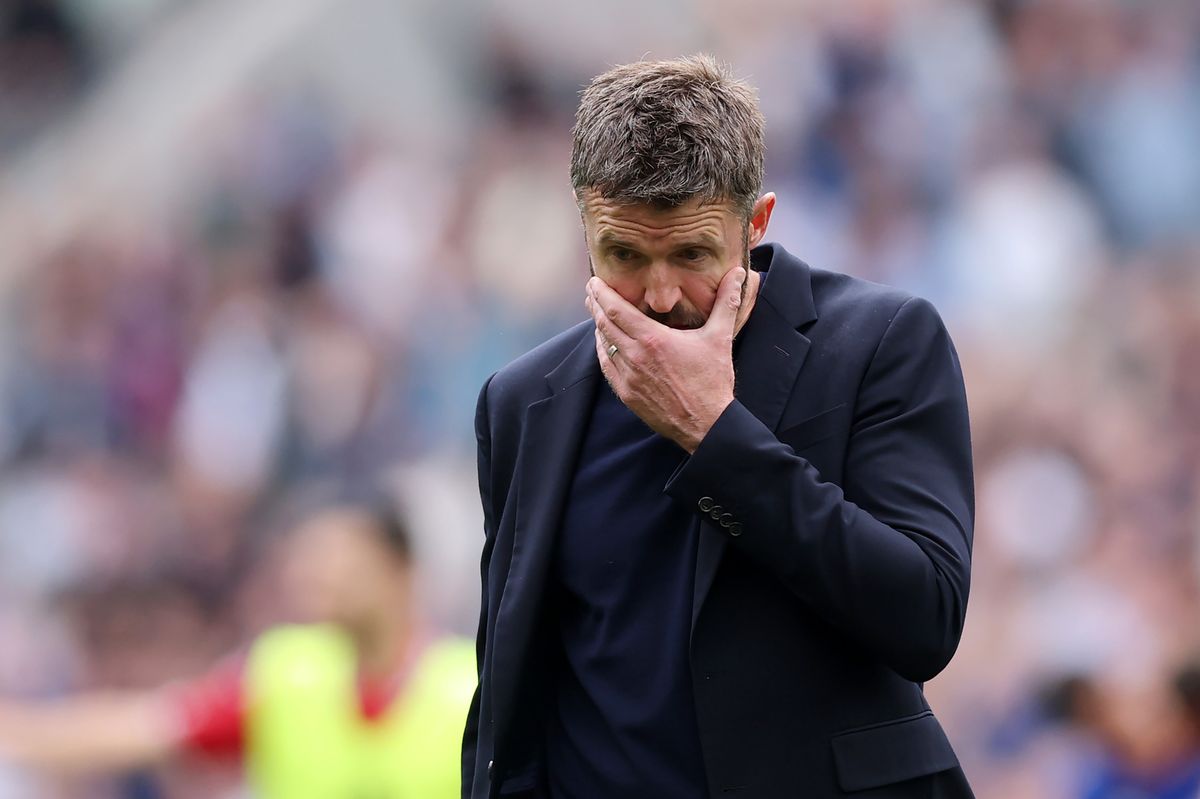


Manchester United's recent Premier League clash against Everton ended in late drama, prompting a candid response from their manager, Michael Carrick. The match, played at Hill Dickinson Stadium, saw United lose their lead in stoppage time, resulting in a hard-fought 2-2 draw. As an experienced football analyst at Betiball, I’ve dissected the tactics, key moments, and Carrick’s post-match reflections, highlighting the importance of decision-making and resilience at the top level.
Manchester United Lose Late Lead in Eventful Draw
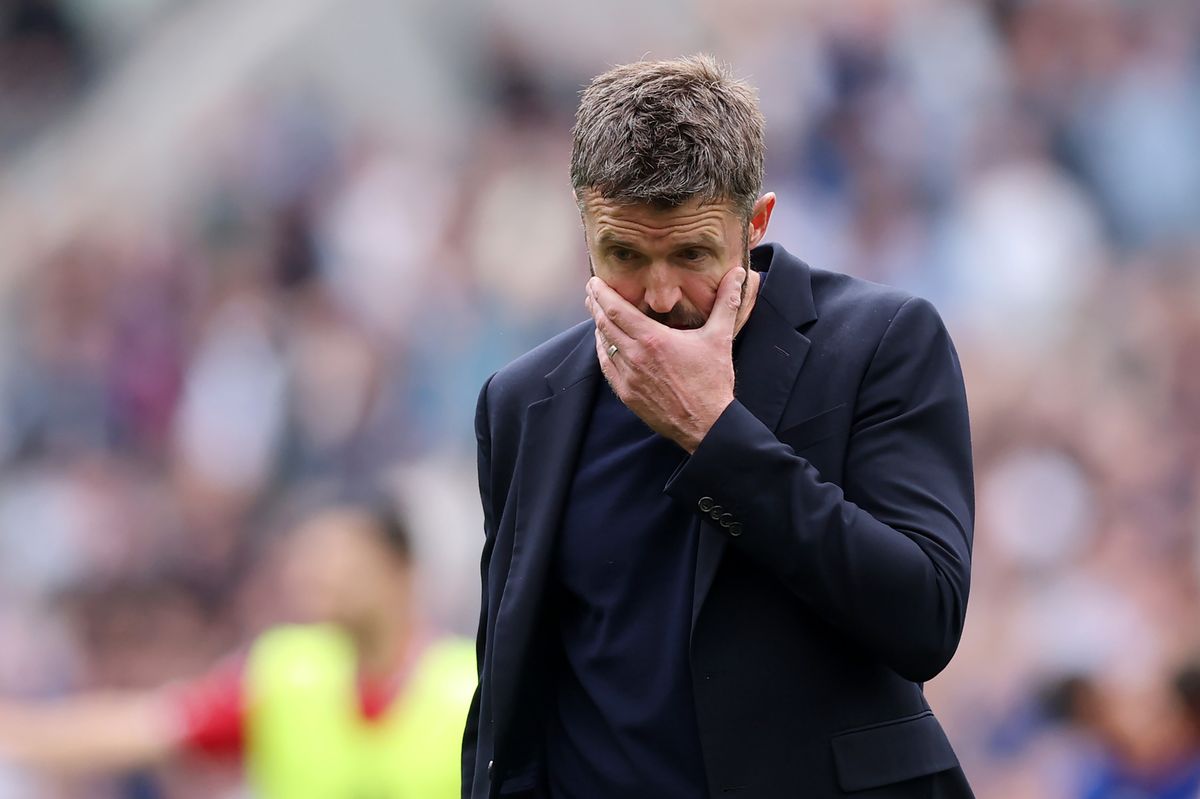
United entered the fixture seeking back-to-back league wins, buoyed by recent form and significant summer investments. The game started well for the Red Devils, with Bryan Mbeumo opening the scoring. Despite demonstrating attacking intent and defensive solidity for much of the game, United allowed Everton to stay in contention.
Tyrique George equalized for the home side late in the match, only for Benjamin Sesko to seemingly secure three points for United with a well-taken header. However, Ainsley Maitland-Niles dramatically leveled in stoppage time, leaving Carrick’s team with just one win from three league matches this season.
Carrick’s Assessment: Where Manchester United Fell Short
After the match, Michael Carrick openly addressed the late collapse, emphasizing the role of decision-making in managing high-pressure situations. As someone who has professionally evaluated football tactics for years, I can confirm Carrick’s analysis aligns with common challenges top teams face when attempting to close out tight games.
Decision-Making Under Pressure
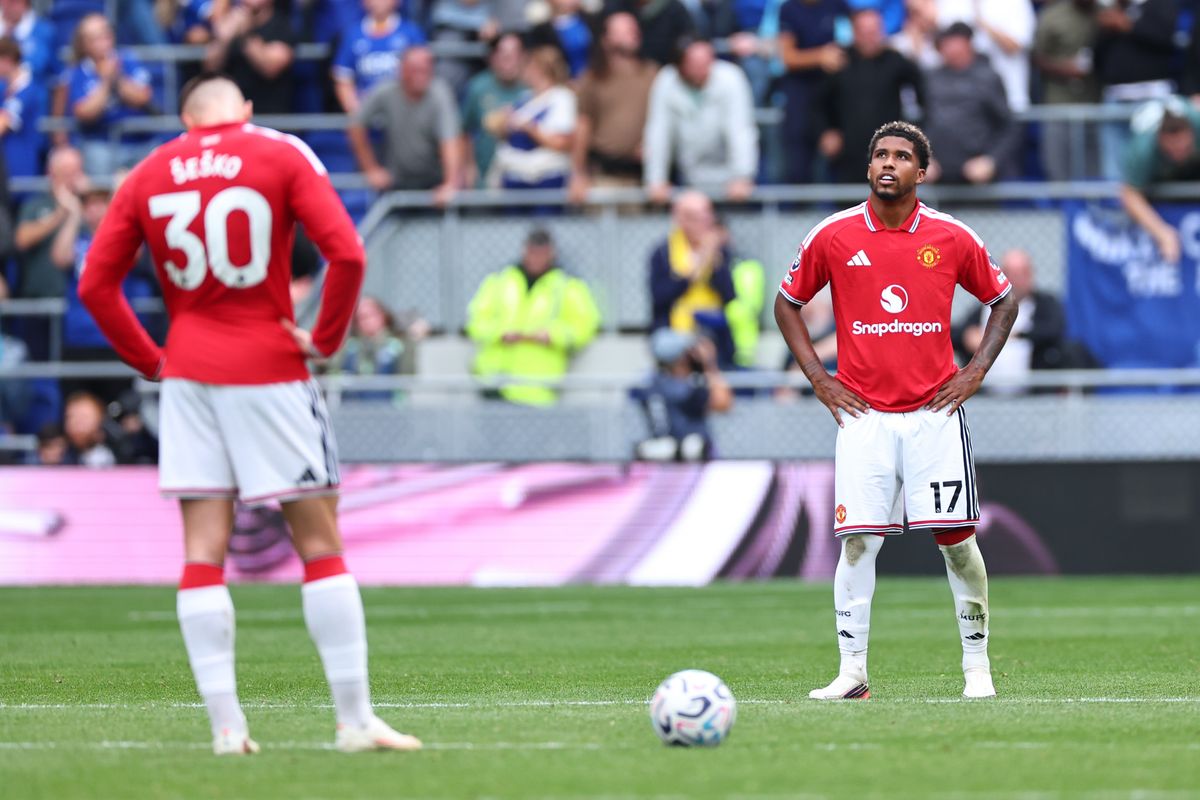
Carrick stated that some wrong choices on the pitch made the end of the game unnecessarily difficult. Despite good spells, United struggled to maintain composure as Everton increased the intensity late on. In high-level football, game management during decisive moments often distinguishes winners from also-rans.
- Late Defensive Lapses: United allowed several balls into the box as the match wore on, putting additional pressure on their backline.
- Missed Opportunities to Control Play: Instead of dominating possession and slowing the tempo, they invited pressure, leading to Everton’s late goals.
Carrick avoided detailing every error but stressed United had the quality to “see the game out,” indicating an expectation of greater maturity from his squad.
Analysis of Key Match Moments
From a tactical perspective, United displayed some encouraging football, particularly in possession and in their attacking build-up. However, lapses in concentration and minor defensive errors proved costly at the end.
Goals and Their Impact
- Opening goal: Mbeumo’s strike was the result of coordinated team movement, reflecting United’s intent and preparation.
- Late Everton Equalizer: George’s late goal caught United off guard, illustrating how quickly momentum can shift in the Premier League.
- United’s Second: Sesko’s header was a product of sustained attacking pressure and quality delivery from wide positions.
- Everton’s Final Goal: Maitland-Niles capitalized on a loose ball on the edge of the box, smashing home a powerful finish and snatching two points away from United in the dying seconds.
Game Management in Focus
The final stages highlighted the recurring theme of game management. Effective teams remain disciplined, controlling the tempo and minimizing risk, especially away from home. Experience shows these traits often manifest through structured defensive setup and smart retention of possession, curbing the opposition’s surge of energy late in matches.
Building Resilience for Consistency
Manchester United’s inability to secure three points underscores the psychological and tactical challenges present at the upper echelons of football. Drawing from my background studying both domestic and European competitions, it’s clear that consistency is forged through handling pressure moments and learning from setbacks early in the campaign.
Carrick’s comments reflect the urgent need for United to address lapses in concentration and enforce better decision-making. It’s not uncommon for teams undergoing transition or integrating new signings to face these hurdles. However, resolving them quickly is essential for any club with title ambitions.
The Player’s Role and Mentality
Elite footballers must develop acute in-game awareness, especially when leading late. Carrick’s disappointment mirrors a manager who expects tactical discipline, particularly after investing heavily in fresh talent. Staying composed, making smart decisions under fatigue, and communicating effectively remain crucial skills for success on the modern stage.
What’s Next for Manchester United?
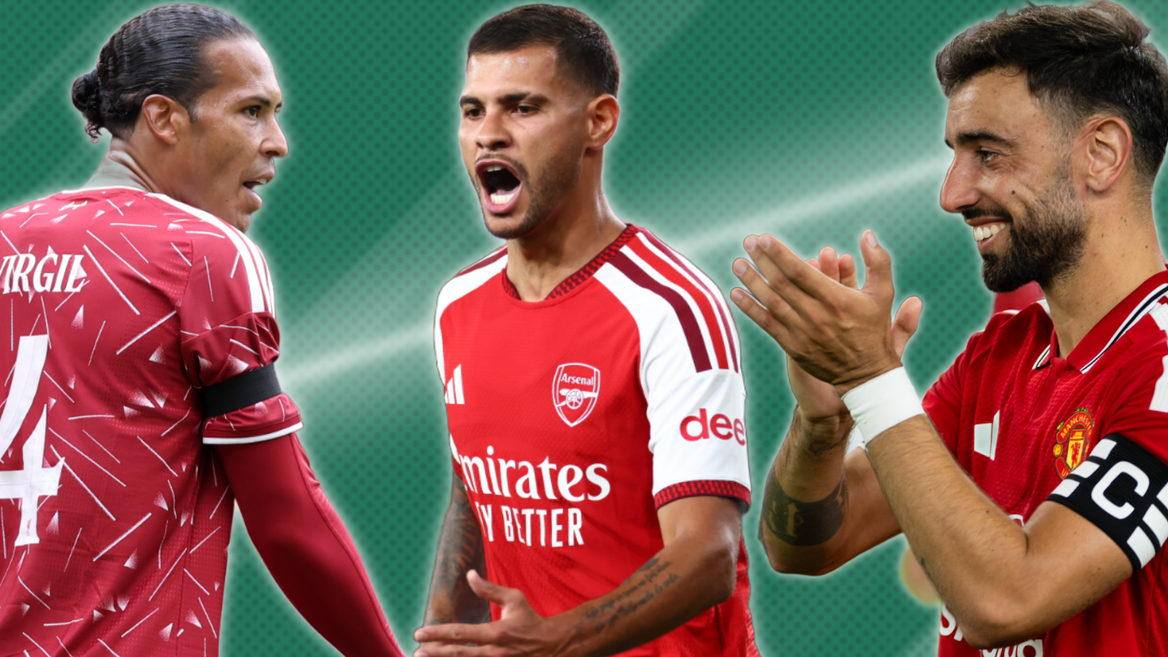
Looking ahead, United will need to regroup rapidly. Their schedule features a European opener against a resilient Azerbaijani side, followed by a high-stakes Premier League encounter with city rivals at Old Trafford.
- European Focus: The continental stage will test United’s depth and adaptability, both tactically and mentally.
- Domestic Challenge: Facing another top team soon, United must refine their defensive structure and sharpen their match management if they hope to gain momentum this season.
Expert Perspective: Addressing the Gaps
Drawing on my experience analyzing hundreds of top-level matches and trends, United’s scenario is neither unique nor insurmountable. Many elite clubs struggle with closing out games early in the campaign. Improvement typically follows when teams honestly assess their areas for development, communicate clearly, and apply tactical corrections in subsequent matches.
Key areas United must address based on this performance include:
- More assertive leadership on the pitch during closing stages
- Improved concentration and team structure as opposition pressure increases
- Greater tactical flexibility to adapt as game situations change
Conclusion: Learning and Moving Forward
Manchester United’s draw at Everton serves as a powerful lesson in the importance of focus and decisive play, especially when the stakes are high. As echoed by Carrick and backed by years of professional analysis at Betiball, elite sides must consistently apply tactical discipline and psychological resilience to convert strong performances into victories. The coming fixtures offer United a chance to put these lessons into practice, crucial for their aspirations both domestically and in European competitions.

Your feedback helps us deliver better football betting insights.